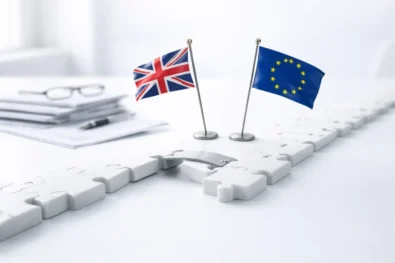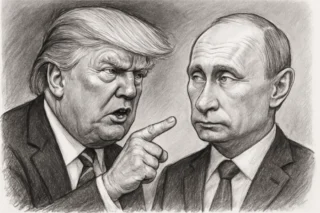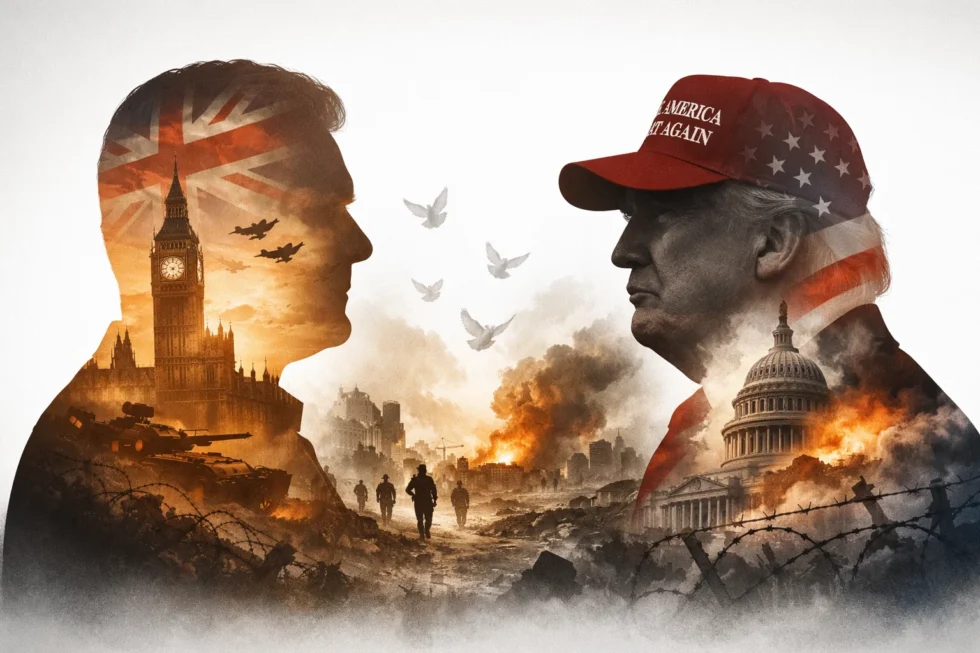
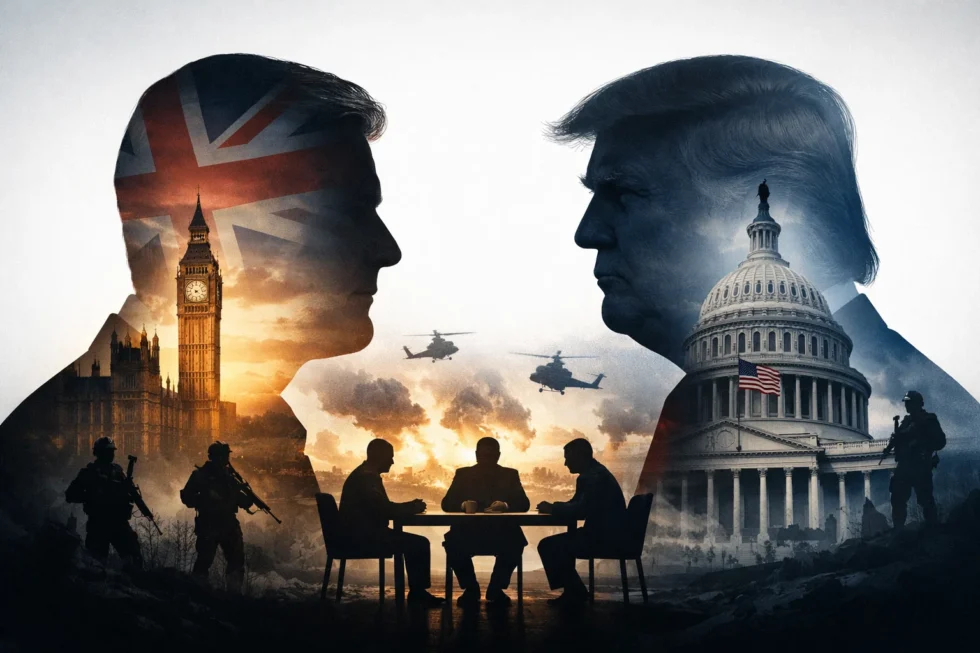
London, 20 January 2026 — British Prime Minister Sir Keir Starmer has formally rejected participation in Donald Trump’s Peace Council, a new US-led international initiative, after it emerged that Russian President Vladimir Putinwould be included among its members. UK officials confirmed that joining the proposed body would require direct cooperation with Moscow — a condition London deems unacceptable in light of Russia’s ongoing war in Ukraine and its broader destabilising actions on the world stage, reports The WP Times, citing the Financial Times (FT).
The Trump-backed council is intended to oversee post-conflict arrangements in Gaza and address other geopolitical crises. However, British government sources told the FT that any platform involving Putin would contradict the UK’s long-standing foreign policy stance and risk legitimising the Russian leader on the international stage.
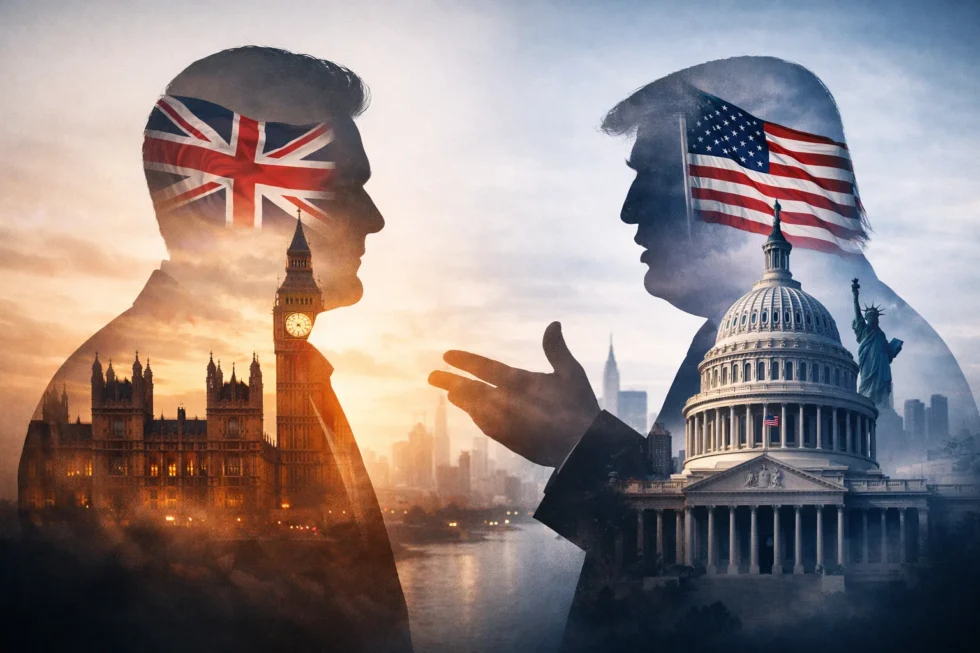
Senior officials also warned that membership of the proposed organisation would involve a substantial financial commitment. The newspaper reports that countries seeking a permanent seat would be expected to contribute more than $1 billion. Downing Street has made clear that Starmer is unwilling to allocate British taxpayers’ money to an institution that includes Putin among its participants.
Foreign Secretary Yvette Cooper reinforced the government’s position, stating: “Vladimir Putin is not a man of peace and has no place in any organisation bearing that name.” Her remarks underline the firm resistance within Whitehall to any diplomatic initiative perceived as offering Russia political rehabilitation. The Financial Times notes that UK representatives ultimately decided to withdraw from consideration for the council due to a combination of reputational risks and excessive financial costs. Officials fear that joining could damage Britain’s credibility with European allies and undermine its support for Ukraine.
Starmer has also recently avoided direct engagement with Trump on the issue. The Prime Minister declined to attend informal meetings with the US president at the World Economic Forum in Davos, choosing instead to focus on domestic priorities. Nevertheless, Downing Street remains cautious about provoking open confrontation with Washington, aware that any escalation could lead to trade or economic repercussions for Britain.
Why Trump has criticised the United Kingdom
Relations between London and Washington have faced increasing strain in recent months. Trump has publicly criticised the British government over its decision to transfer sovereignty of the Chagos Islands to Mauritius — a deal that affects the strategically important US military base on Diego Garcia. The US president described the move as a sign of “total weakness”, warning that it could embolden Russia and China in the region. Trump argued that the agreement created the impression that Western allies were retreating from key global commitments.
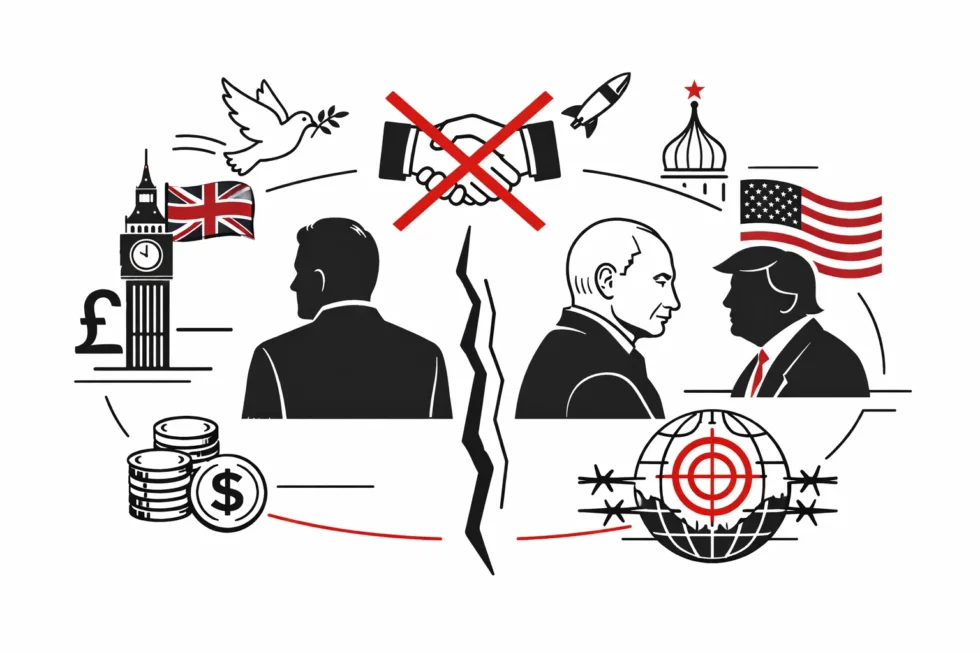
Another point of tension has been the UK government’s approval of plans for a major new Chinese embassy complex in London, a decision that had previously drawn strong objections from US lawmakers. The move is expected to pave the way for Starmer to visit Beijing next week, marking the first trip by a British prime minister to China since 2018 — a development likely to be viewed with suspicion in Washington. Despite these disagreements, Starmer has sought to maintain a pragmatic relationship with the United States, emphasising the importance of transatlantic cooperation on trade and security.
Growing doubts over the initiative
Diplomatic analysts suggest that the concept of a Trump-led Peace Council faces significant obstacles. Many European governments remain wary of any framework that includes Russia without conditions related to Ukraine. Others question whether the body would duplicate existing UN mechanisms or be used as a political tool rather than a genuine peacebuilding forum.
For Britain, the issue is particularly sensitive. London has been one of Ukraine’s strongest military and political supporters since 2022, and any appearance of softening its stance towards Putin would be highly controversial at home and abroad.
Downing Street sources insist that Starmer’s decision reflects a consistent policy line rather than a rebuke of the United States. “The UK will continue to work with Washington on global security challenges,” one official said, “but not in a format that compromises our core principles.” As the debate continues, the future of Trump’s Peace Council remains uncertain, with several key allies already signalling reluctance to participate.
Background: What is the Trump Peace Council – key facts
The Trump Peace Council is a new international body announced by US President Donald Trump on 15 January 2026. It is designed to oversee post-war governance in Gaza and coordinate responses to global conflicts. Invitations were sent to 49 countries and the European Commission. Membership requires a major financial commitment: states seeking a permanent seat must pay more than $1 billion, intended to fund reconstruction projects, humanitarian programmes and the council’s administration. The initiative became controversial after invitations were extended to Vladimir Putin of Russia and Alexander Lukashenko of Belarus.
On 19 January 2026, Hungarian Prime Minister Viktor Orbán confirmed that Hungary would join. The United Kingdom and Norway have refused to participate, arguing that the format bypasses the United Nations, legitimises authoritarian leaders and carries unacceptable political, security and reputational risks.
Read about the life of Westminster and Pimlico district, London and the world. 24/7 news with fresh and useful updates on culture, business, technology and city life: What is Trump's Peace Council and why are countries asked to pay $1bn