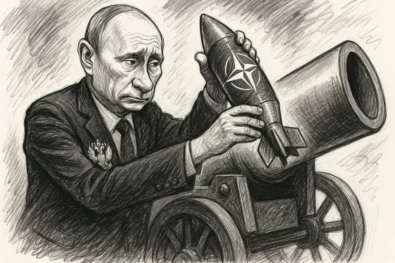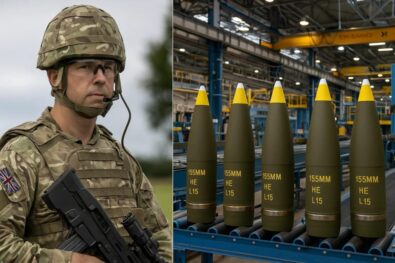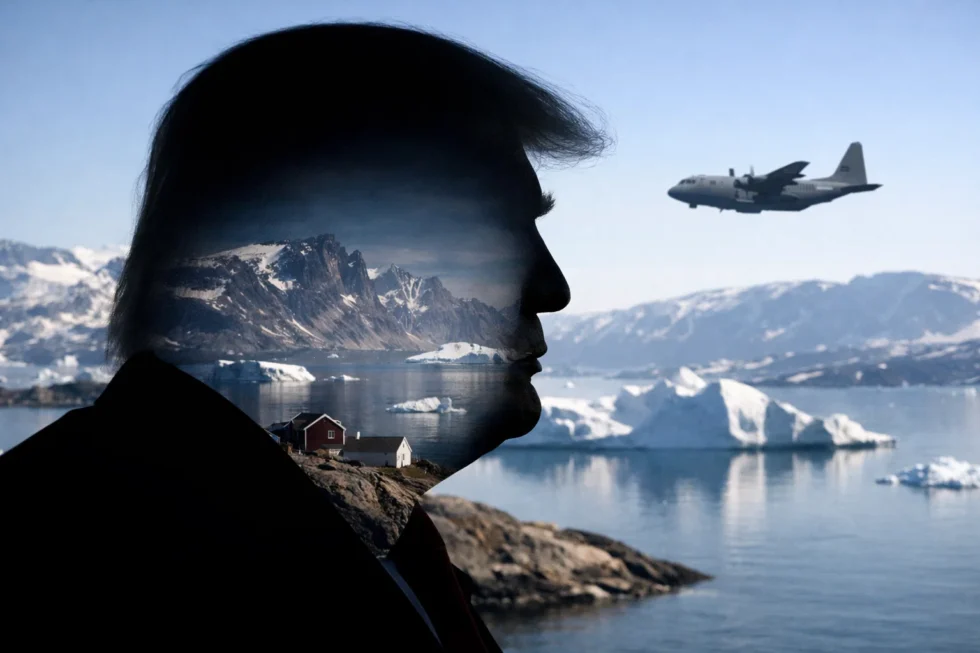
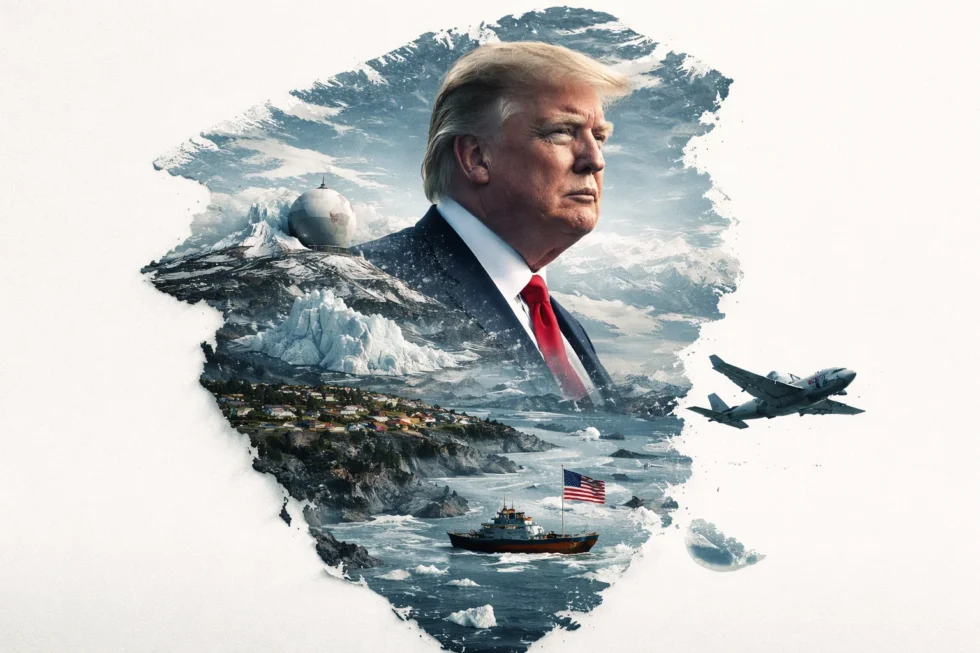
Trump’s idea to bring Greenland under stronger United States control has escalated into a major international dispute, raising questions about Arctic security, NATO unity and the future of the world’s largest island. The former US president argues that Greenland is essential to American national defence because of its strategic geographic position and existing military infrastructure. Denmark, which retains sovereignty over Greenland, insists that the territory is not for sale and that any decision about its future must be made by the Greenlandic people. High-level talks in Washington this week ended with what Danish officials described as a “fundamental disagreement” over the proposal, as reported by The WP Times.
Why Greenland matters to US security
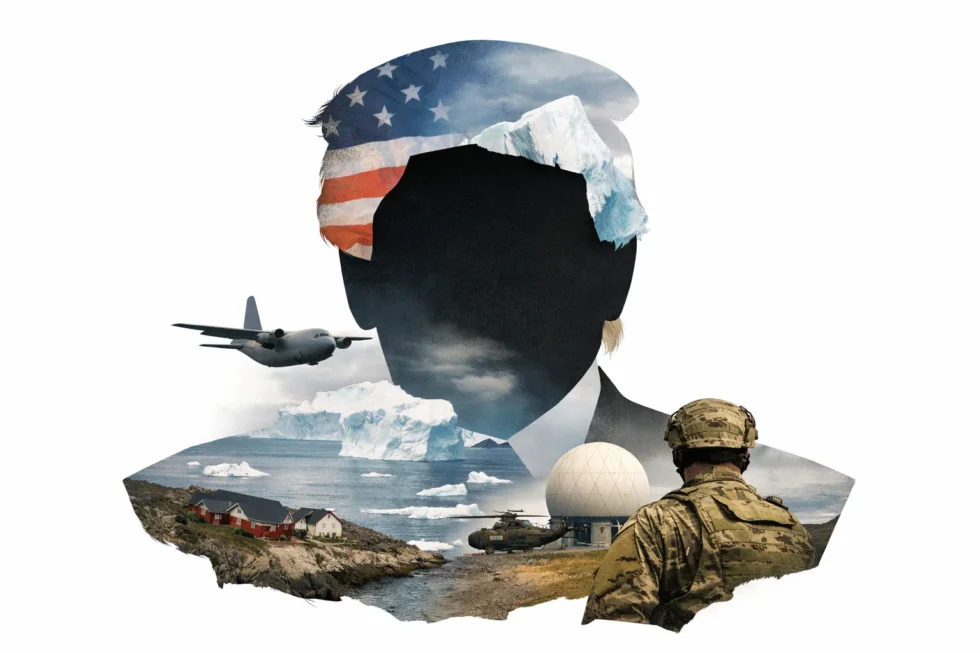
Greenland occupies a uniquely strategic position between North America and Europe. From a polar viewpoint, the island lies directly on the shortest routes for aircraft and missiles travelling from Russia or China toward the United States. Military planners have for decades considered Greenland a key element of transatlantic defence.
The island’s eastern coastline oversees the Greenland–Iceland–United Kingdom (GIUK) gap, a narrow maritime corridor used by Russian naval forces to reach the Atlantic Ocean. NATO documents describe the GIUK gap as one of the most sensitive security zones in the world. At Pituffik Space Base in north-west Greenland, formerly known as Thule Air Base, the United States operates early-warning radar systems and satellite-tracking installations. According to the US Space Force, these facilities monitor missile launches and provide command-and-control support for American and allied space operations.
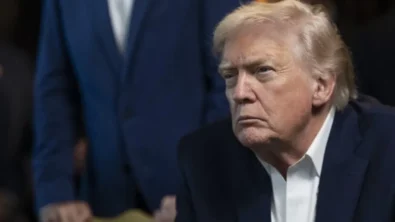
In a public statement this month, Donald Trump said: “The United States needs Greenland for national security.” US officials have linked his proposal to what they describe as increased Russian and Chinese activity in the Arctic region.
Political reaction from Denmark, NATO and Greenland
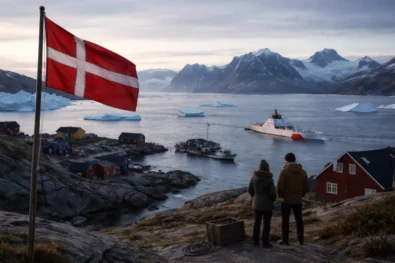
Denmark has repeatedly rejected Trump’s idea. After meetings at the White House on 14 January, Danish Foreign Minister Lars Løkke Rasmussen told reporters that a “fundamental disagreement” remains between the two governments regarding Greenland. Greenland’s own leadership has also pushed back. Greenlandic Prime Minister Jens-Frederik Nielsen said earlier this week that if forced to choose, Greenland would remain aligned with Denmark rather than join the United States.
NATO Secretary General Mark Rutte has avoided direct comment on Trump’s statements. Speaking in Brussels on 13 January he said: “I never comment when there are discussions within the Alliance,” emphasising the need for dialogue among allies.
Former Icelandic president Olafur Ragnar Grimsson warned that any attempt to seize Greenland by force would have “monumental consequences” for global stability and for NATO cohesion.
Russia and China: the strategic backdrop
Western governments point to measurable changes in Arctic activity over recent years.
Key developments cited by defence officials include:
- Russia has reopened and modernised numerous Cold War-era Arctic bases.
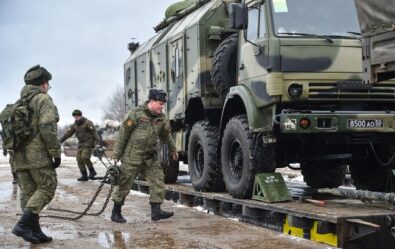
- The Russian Northern Fleet has expanded submarine patrols under the Arctic ice cap.
- China has declared itself a “near-Arctic state” and increased polar research missions.
- Chinese icebreakers and research vessels conducted multiple expeditions in 2024 and 2025.
- In 2025 a Chinese container ship completed a commercial voyage to Europe via Arctic waters.
- Both countries are investing in technology designed for cold-weather military operations.
Danish and British officials argue that these challenges can be addressed through existing alliances. Denmark has invested in new icebreakers, Boeing P-8 maritime patrol aircraft and enhanced Arctic surveillance. Britain announced expanded Arctic training exercises with NATO partners in 2025. The United States already maintains significant military rights in Greenland under the 1951 Greenland Defense Agreement, which allows American bases and operations with Danish consent.
Voices from Greenland
Many Greenlanders have expressed concern about being treated as a geopolitical bargaining chip. Opposition lawmaker Juno Berthelsen said in an interview: “Greenland belongs to the Greenlandic people. We must be at the very centre of this conversation.” Nuuk resident Maya Martinsen questioned the motives behind Trump’s proposal, saying: “I think it is for the oils and minerals that we have that are untouched.”
Greenland has significant deposits of rare earth elements and other critical minerals, resources that are increasingly important to global supply chains. Despite sharp rhetoric, diplomatic contacts continue. Officials from Denmark, Greenland and the United States agreed to maintain discussions on Arctic security cooperation after their Washington meetings. Analysts in Europe and North America describe the situation as a political dispute rather than a formal negotiation over ownership. For now, Greenland remains a self-governing territory of Denmark, and all sides publicly state that dialogue will continue.
Read about the life of Westminster and Pimlico district, London and the world. 24/7 news with fresh and useful updates on culture, business, technology and city life: Starmer tells Trump “hands off Greenland” as UK backs Denmark and Greenland’s right to decide
Sources used
Fox News, Associated Press, CNBC, Danish Ministry of Foreign Affairs statements, NATO press releases, US Department of Defense materials, US Space Force information, interviews with Greenlandic officials, public comments by Olafur Ragnar Grimsson.