M25 traffic near Lakeside Shopping Centre descended into a day-long standstill after an early-morning collision caused a substantial oil spill and forced emergency resurfacing across approximately 400 metres of carriageway. Motorists were trapped for up to nine hours in queues stretching through Grays, Purfleet and West Thurrock, with families, airport passengers and shoppers reporting shortages of water, food and access to toilets. Among those caught in the disruption was Beatrix, a 17-year-old from Romford making her first independent drive after passing her test, whose planned 20-minute journey became an eight-hour ordeal in temperatures reaching 29C, The WP Times reports.
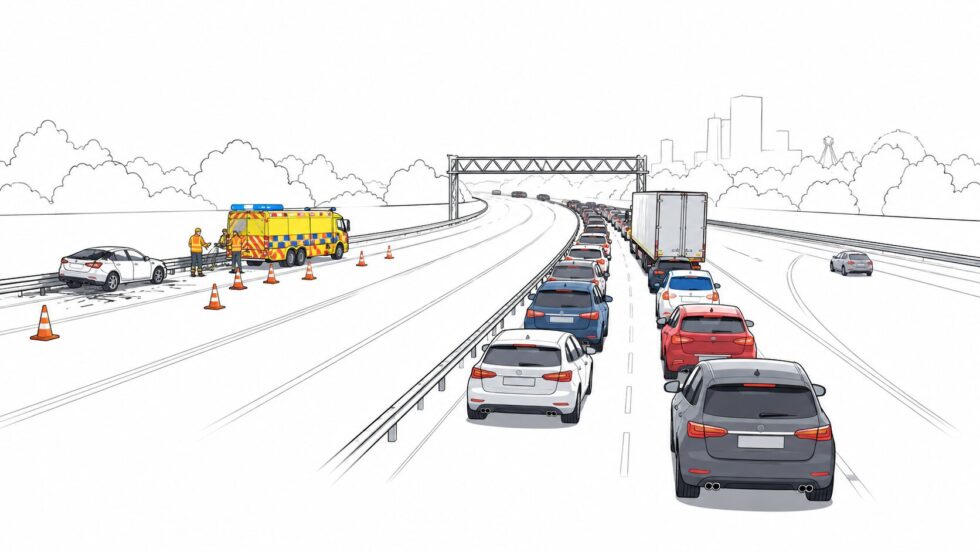
The collision occurred near Lakeside in Grays, Essex, at about 05:30 BST on Thursday, but the affected section of the M25 did not fully reopen until approximately 20:40. National Highways said oil had contaminated around a quarter of a mile of road, requiring crews to remove and replace part of the surface before traffic could return safely. The agency said the hot weather then slowed the cooling of the newly laid material, extending the closure into the evening as congestion spread from the motorway to slip roads, retail car parks, Thurrock services and surrounding local routes.
How did the M25 crash create hours of disruption near Lakeside
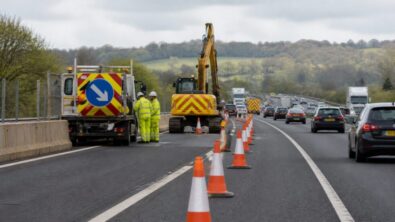
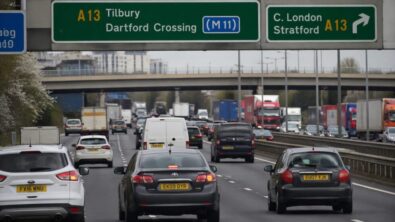
The initial collision caused an extensive oil spill close to junction 31, one of the principal access points for Lakeside and Purfleet. National Highways said about a quarter of a mile of carriageway — approximately 400 metres — required resurfacing before the affected lanes could safely reopen. The combination of collision recovery, cleaning and road repairs meant the closure continued long after the original crash scene had been dealt with. Crews first had to assess the contamination, remove the damaged surface and lay replacement material before the road could be returned to traffic.
The hot weather added an unusual complication. Temperatures in Grays reached 29C during the day, and National Highways said the replacement surface took longer to cool than expected. The motorway eventually reopened at about 20:40, more than 15 hours after the crash was reported.
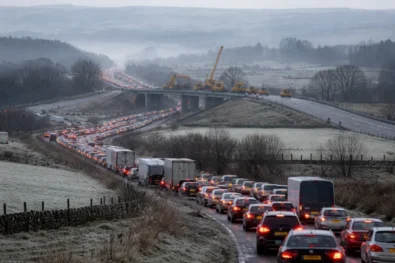
By then, queues had extended well beyond the immediate closure. Motorists attempting to leave Lakeside Shopping Centre were drawn into the congestion, while slip roads, local streets and access points around Thurrock became severely restricted.
Traffic was also reported across Grays, Purfleet and West Thurrock as drivers attempted to find alternative routes. Vehicles that had entered local car parks or Thurrock services in search of food, water and toilets later found themselves unable to leave.
The disruption was therefore not confined to motorists travelling along the closed section of the M25. People making short shopping trips, travelling home from work or returning from airports became trapped in the same network of stationary traffic.
Teenager’s first independent drive becomes an eight-hour ordeal
Beatrix had recently passed her driving test and was travelling with her cousin when the pair encountered the queues. She had never previously driven on the M25.
What should have been a 20-minute journey instead lasted about eight hours. During the delay, both phones in the car lost power, leaving the two teenagers without navigation, live traffic information or a reliable way to update their families.
“It was me and my cousin in the car and both of our phones died,” Beatrix said. “So, we didn’t really know how to get back and we were following road signs.”
The 17-year-old said the experience was particularly intimidating because it was her first time driving on the motorway.
“I’ve never driven on the M25, so that was very scary,” she said.
With traffic barely moving and no clear indication of when the road would reopen, Beatrix had to continue navigating unfamiliar roads while managing the pressure of a prolonged delay.
Her parents became increasingly concerned because they could not see her location or establish when she would return. The journey also left her exposed to the sun for so long that one of her arms was burned. Despite the conditions, Beatrix said she believed her driving instructor would have been impressed by how she handled the situation. Her first independent journey had unexpectedly required hours of concentration in extreme congestion rather than the brief local drive she had planned.
Drivers report having no water, food or access to toilets
Other motorists described increasingly difficult conditions as the afternoon continued. Many had expected to be on the road for less than an hour and had not brought food, water or other supplies.
Beatrix said passengers became extremely thirsty in the heat.
“Everyone was just so thirsty because it was so hot,” she said. “No-one had any water or food or anything in the cars.” For Rosie Potter, a 29-year-old civil servant, a journey from Lakeside to Colchester that would normally take less than an hour lasted more than nine hours. Potter left the shopping centre car park at about 13:30 and did not reach home until approximately 23:00. As darkness approached, she began to fear that she might have to spend the night in her car in an area she did not know.
“I thought, ‘Oh no, am I going to be stuck in my car overnight in the dark in an area that I don’t really know very well?’” she said.
The length of the delay also created a practical problem for motorists trying to stay cool. Drivers could use air conditioning only by continuing to run their vehicles, consuming fuel while the likely duration of the closure remained uncertain.
“You can’t sit there for eight or nine hours with your engine running and your air conditioning running,” Potter said.
She said people in the queues had no easy access to essential facilities.
“There’s no water. There’s no access to any toilets. There’s no food. There’s nothing around,” she said. Although the congestion occurred close to one of the largest retail areas in Essex, drivers could not necessarily leave their vehicles or reach nearby shops. Cars were packed into queues on motorway approaches, slip roads and local routes, with little opportunity to turn around.
Families with babies caught in prolonged M25 queues
The disruption was particularly difficult for families who had left home expecting only a short visit to the shops. Potter said she saw people with babies who had run out of milk and feeding supplies after becoming trapped for hours.
“There were people with babies that had literally nipped out to the shops and were then stranded for hours and had no milk, no bottles left for their children,” she said.
Her account illustrated how quickly a major traffic incident can develop into a wider welfare problem. People travelling with young children, older passengers or anyone dependent on regular medication were left without knowing when they would be able to continue their journeys. There was no suggestion that motorists had been prepared for a closure lasting most of the day. Many had entered the area after the original crash, unaware of the extent of the disruption awaiting them around Lakeside and Thurrock.
| Confirmed detail | What happened |
|---|---|
| Time of collision | About 05:30 BST on Thursday |
| Location | M25 near Lakeside, Grays and junction 31 |
| Road contamination | Extensive oil spill |
| Surface requiring repair | Approximately 400 metres |
| Local temperature | Reached about 29C |
| Motorway reopening | Approximately 20:40 |
| Reported individual delays | Between eight and nine hours |
The scale of the queues also made it difficult for motorists to identify a workable alternative. Leaving the motorway did not guarantee progress because surrounding routes had already filled with diverted traffic.
Thurrock services becomes another trap for motorists
Some drivers entered Thurrock services hoping to use toilets, obtain refreshments or wait away from the main queues. The service area soon became heavily congested, however, and many vehicles were unable to get back out. Sara Tidy, a 63-year-old journalist, was returning to Benenden in Kent after travelling from Stansted Airport. She described seeing hundreds of cars trapped around the services.
According to Tidy, families attempted to entertain children during the long delay, with some playing tennis in the car park while they waited for traffic to move. A travelling band facing the prospect of missing a performance took its instruments out of its vehicle.
“They had their drums and guitars and stuff on the tarmac to entertain themselves,” Tidy said.
The unusual scenes reflected the length of time people had spent stationary. The service station had effectively become an overflow holding area for motorists who could neither continue their journeys nor easily return to the surrounding roads. Tidy said she also encountered a woman who needed medication and was becoming increasingly anxious.
“There was a lady who was in need of her medication,” she said. “She was getting quite panicky.”
The account raised questions about the assistance available to vulnerable motorists during exceptionally long road closures. Food and toilets may have been physically nearby, but the wider gridlock prevented many people from reaching or leaving the facilities normally intended to support motorway travellers.
Why did resurfacing take longer during the hot weather
National Highways attributed the prolonged closure to the scale of the oil contamination and the time needed to complete emergency resurfacing. Oil on a motorway can make the surface unsafe by substantially reducing tyre grip. Where contamination is extensive, cleaning the carriageway may not be sufficient, and the upper road surface may have to be removed and replaced. In this case, approximately 400 metres required treatment. Once the new material had been laid, it needed to cool sufficiently before heavy traffic could be allowed to travel over it. National Highways said high temperatures slowed that process. The delay extended the closure and left the wider road network congested well into the evening.
The agency’s explanation addressed why the road could not immediately reopen, but motorists also criticised the information and support available while they remained stranded. Drivers reported not knowing how long the incident would continue, whether surrounding roads were moving or whether they should attempt to remain in place. The lack of certainty became increasingly significant as phones lost power, vehicles consumed fuel and passengers ran short of water.
National Highways apologises and promises review
National Highways apologised after motorists reported being stuck for up to eight hours and said it would examine how the incident had been managed. Responding to complaints, the agency said it was “deeply sorry” for the disruption and recognised the effect the closure had had on drivers. It also announced a review of its handling of the incident. The review is expected to consider the operational response and communication with motorists, although National Highways has not yet published its conclusions. The central issue is not whether the contaminated road should have reopened before it was safe. The oil spill and emergency resurfacing clearly required a substantial closure. The question is how traffic already trapped across the area was managed while those repairs were under way.
Motorists’ accounts suggest that many people received too little information about the likely duration of the disruption and had limited access to basic assistance. The consequences were most severe for those who had entered the area expecting a short journey and therefore carried no water, food, medication or charging equipment. A review will also need to examine how congestion spread into Lakeside, local roads and Thurrock services, leaving drivers trapped even when they were no longer directly on the motorway.
M25 disruption continued long after the original collision
By the time the M25 reopened at about 20:40, the incident had affected travellers for most of the day.
The collision itself occurred in the early morning, but the resulting oil spill transformed what might otherwise have been a shorter emergency closure into a lengthy road-repair operation. The pressure then spread through the surrounding area as motorists sought alternative routes or attempted to leave Lakeside. Each additional queue reduced the number of available exits, causing vehicles to become trapped in car parks, service areas and local streets.
For Beatrix, the incident turned an important personal milestone into a demanding first test behind the wheel. Instead of completing a routine journey after passing her driving test, she spent eight hours navigating congestion, heat and uncertainty without a working phone. For Potter, the same closure turned an ordinary drive home into a nine-hour journey and prompted fears that she might be stranded overnight. For families with babies and people requiring medication, the delay created more immediate concerns than simply arriving late. National Highways has explained the technical reasons for the closure and acknowledged the distress caused. Its promised review will now have to establish whether motorists could have received earlier warnings, clearer information and more effective support while emergency crews made the motorway safe.
Materials used: BBC News, National Highways, EssexLive, eyewitness accounts from Beatrix, Rosie Potter and Sara Tidy
Read about the life of Westminster and Pimlico district, London and the world. 24/7 news with fresh and useful updates on culture, business, technology and city life: Wimbledon 2026 Road Closures: Every SW19 Street Shut, Parking Rules, 493 Bus Diversion and How to Get There