Westminster has long been the focal point of British politics. As the home to key institutions such as the Houses of Parliament, 10 Downing Street, and the Supreme Court, it remains the centre of power for both the UK government and its monarchy. Despite political changes over time, Westminster’s role in shaping UK politics is undeniable. But why does this area of London continue to hold such an important position in the nation’s political structure? In this article, we will explore the historical, institutional, and cultural factors that keep Westminster at the centre of power in the UK, reports The WP Times.
Westminster’s continued dominance in UK politics can be attributed not just to its historical significance but also to the concentration of political power and influence it holds. The presence of critical institutions such as the UK Parliament, the Prime Minister’s office, and the monarchy all contribute to making Westminster a key player in global and domestic political affairs. Let’s dive deeper into the factors that ensure Westminster remains the beating heart of political life in the UK.
Historical Significance of Westminster
Westminster’s significance in UK politics can be traced back over a thousand years, making it one of the most important districts not only in London but in the entire United Kingdom. Originally chosen by the Normans in 1066 as the location for their royal palace, Westminster has evolved into the symbolic and operational hub of British governance. It has witnessed pivotal moments in the nation’s history, from the signing of important laws to the establishment of the first English Parliament.
The first Parliament met in Westminster in 1295, and since then, it has been a place where the laws governing the nation were created, amended, and enforced. Westminster’s evolution from a royal palace to the heart of political life has mirrored the broader shifts in British society, from feudal rule to parliamentary democracy.
While Westminster’s role has changed over the centuries, the district has consistently maintained its position as the centre of power in the UK. The events that have taken place here have shaped not only the nation’s political landscape but also its identity. From the Glorious Revolution of 1688 to the establishment of the modern welfare state, Westminster has always been at the forefront of critical moments in British history.
Key Historical Milestones:
| Date | Event | Significance |
|---|---|---|
| 1066 | Norman Conquest | Westminster becomes the seat of royal power. |
| 1295 | First Parliament | Establishment of Westminster as the seat of English Parliament. |
| 1707 | Act of Union | Westminster becomes the political hub for the United Kingdom. |
| 1945 | Post-war Reconstruction | Westminster is reaffirmed as the symbol of British democracy. |
These milestones show how Westminster has consistently adapted to political and social changes, growing into the modern political powerhouse it is today. As the country has evolved, Westminster has remained the location where key decisions are made that have shaped not just the UK, but also the world stage.
The Role of Westminster in Shaping UK Politics
Westminster is not only historically important but continues to play a pivotal role in shaping the political landscape of the UK. The institutions that call Westminster home are at the forefront of decision-making, policy implementation, and legislation. The concentration of power in this district ensures that political events in Westminster have far-reaching implications throughout the UK and the world.
The political structure in the UK, dominated by the Westminster parliamentary system, has made this district the nerve center of political life. The proximity of political leaders, legislators, and institutions creates an environment where decisions are made with direct access to the machinery of government. Westminster is not just where laws are made; it is where national policy is defined, debated, and altered to meet the country’s needs.
One of the key reasons Westminster continues to be so influential is the interconnectedness of its various institutions. The UK Parliament, government offices, and judiciary are located within walking distance of each other, allowing for efficient communication and cooperation. This physical proximity makes Westminster an ideal place for political decision-making and ensures the smooth running of the country’s governmental machinery.
Political Institutions in Westminster
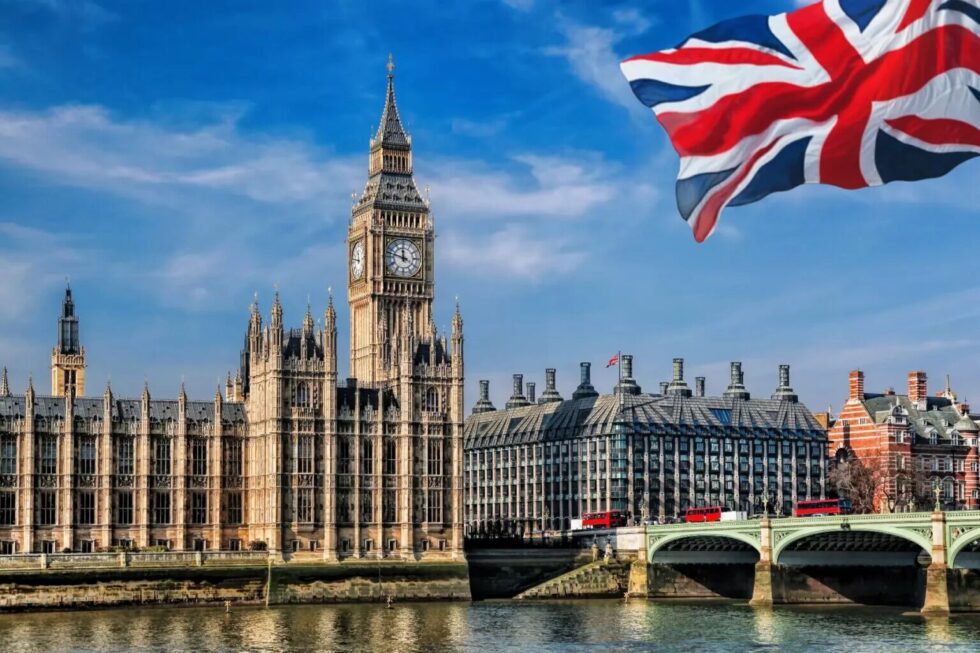
The political institutions located in Westminster are the key to understanding its role as the power centre. These institutions, including the UK Parliament, the Prime Minister’s office, and the Supreme Court, wield significant influence over the country’s governance. The proximity of these institutions to one another strengthens Westminster’s position as the focal point of power in the UK.
Each of these institutions plays a distinct but complementary role in the functioning of the state. The UK Parliament, composed of the House of Commons and the House of Lords, is where legislation is introduced and debated. The Prime Minister’s office, located at 10 Downing Street, is where key decisions about government policy are made. The Supreme Court, located just a short distance away, serves as the highest judicial body in the country.
These institutions work together to form the backbone of UK governance, ensuring that Westminster remains the centre of political life.
The UK Parliament
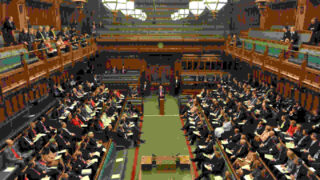
The UK Parliament consists of two chambers: the House of Commons and the House of Lords. The House of Commons is made up of Members of Parliament (MPs) who are directly elected by the public in general elections. The House of Lords, on the other hand, is composed of appointed members, including life peers, hereditary peers, and bishops.
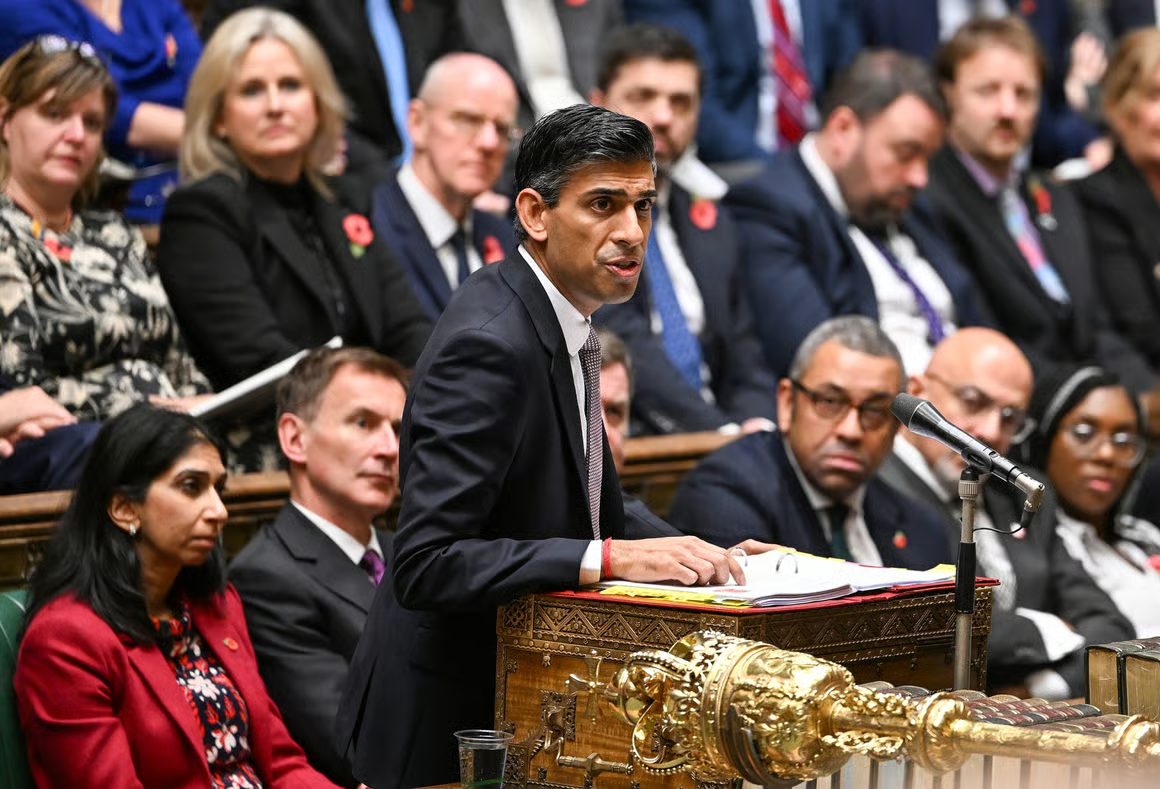
The House of Commons is the dominant legislative chamber, where bills are introduced, debated, and voted on. The House of Lords plays a complementary role, providing additional scrutiny and revision of proposed legislation. Together, these two chambers work to ensure that laws are passed in a fair and transparent manner, with both public input and expert oversight.
The UK Parliament in Westminster is the place where the most important political decisions in the country are made. It is where national policy is shaped, laws are passed, and the government is held to account by the opposition. The role of Parliament in Westminster has been central to the functioning of the UK’s political system for centuries, and it remains the focal point of British political life today.
The Prime Minister and the Government
The Prime Minister, located at 10 Downing Street, leads the UK government and is responsible for implementing the policies and decisions made in Parliament. As head of government, the Prime Minister plays a key role in shaping national policy on issues ranging from domestic affairs to foreign relations.
The government, which is made up of Cabinet ministers and senior officials, is responsible for running the country on a day-to-day basis. The Prime Minister works closely with the Cabinet to ensure that the government’s policies are implemented and that the country’s interests are represented both at home and abroad.
The proximity of 10 Downing Street to Westminster’s other political institutions ensures that the Prime Minister can engage directly with Parliament, the judiciary, and the monarchy. This coordination between the executive and legislative branches allows for more efficient decision-making and governance.
The Role of the Monarchy
While the monarchy no longer holds executive power, its symbolic role in Westminster remains significant. The monarch formally opens Parliament every year in a grand ceremony known as the State Opening of Parliament. This event signifies the official start of the parliamentary session and underscores the enduring connection between Westminster and the monarchy.
The Monarch’s Role in UK Politics
Although the monarch’s direct influence on daily governance has diminished, their role in Westminster is still crucial. The monarch serves as a unifying figure, representing the nation’s continuity and stability. The ceremonial acts performed by the monarch, including the formal opening of Parliament, remind the public of the deep-rooted traditions and symbolic power that Westminster carries.
Westminster serves as a place where the monarchy's ceremonial function is intertwined with the functions of Parliament and government, blending the UK's history with modern democratic governance. While the monarchy’s power has evolved over the centuries, it continues to play an important role in maintaining the stability and identity of the UK political system.
Political Culture in Westminster
Westminster also plays a crucial role in shaping political culture in the UK. The term “Westminster politics” is often used to describe the formal, structured political practices and norms that guide political decision-making in the UK. These practices have become a model for other nations, particularly those that adopted the Westminster System of parliamentary democracy.
The Westminster System
The Westminster System is based on the fusion of executive and legislative powers, where the government is formed from the party (or coalition) that holds a majority in the House of Commons. This system has influenced many countries around the world, from Canada to India, and remains a defining feature of Westminster politics.
The system’s enduring influence contributes to Westminster’s political importance, not just in the UK, but globally. The structured and formalized approach to governance, with its emphasis on parliamentary sovereignty and accountability, has made Westminster a model for other democratic nations.
Why Westminster Remains the Power Centre
Despite the rise of regional governments in Scotland, Wales, and Northern Ireland, Westminster remains the dominant force in UK politics. The concentration of power in Westminster ensures that the UK Parliament is at the centre of the political landscape. The proximity of the institutions of government and the monarchy also strengthens the symbolic power of Westminster.
Summary of Key Reasons Westminster Remains the Power Centre:
- Westminster is home to the UK Parliament, the Prime Minister, and the Cabinet.
- It has a rich historical significance that dates back over a thousand years.
- The political culture of Westminster, including the Westminster System, influences politics worldwide.
- The monarchy’s ceremonial role connects Westminster to the country’s rich history.
Westminster’s blend of political, historical, and symbolic power ensures that it remains the heart of UK politics, even as the political landscape evolves. The continued importance of Westminster is a testament to its ability to adapt and remain relevant in the ever-changing world of politics.
Read about the life of Westminster and Pimlico district, London and the world. 24/7 news with fresh and useful updates on culture, business, technology and city life: Pimlico Architecture: Why Victorian Terraces Matter in UK Culture.
Photo: Expatica