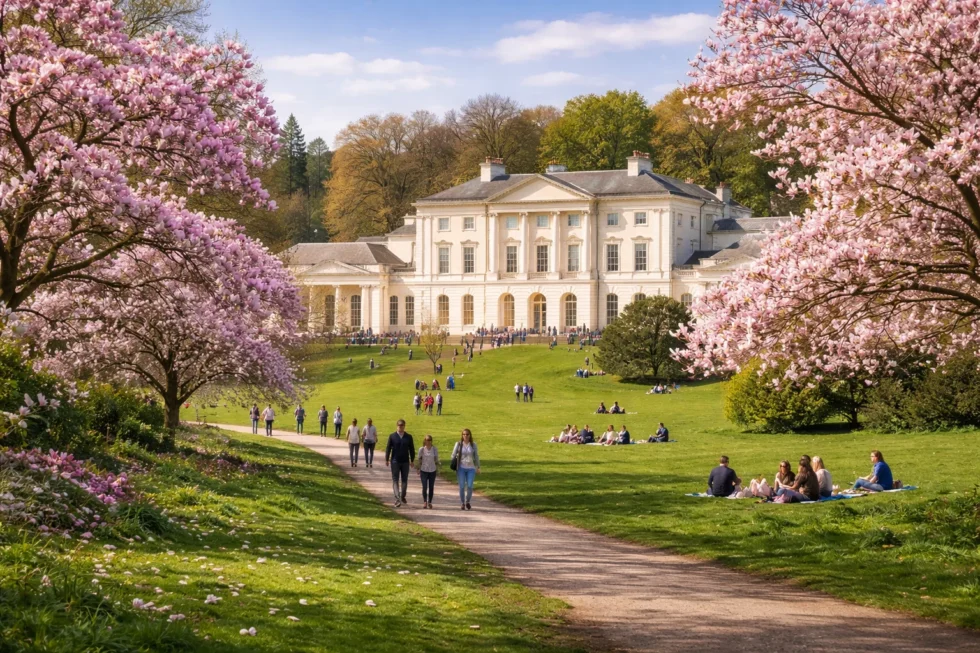
The arrival of the 2026 spring season has transformed the British capital into a botanical masterpiece, with the magnolia bloom reaching its peak across London and its surrounding counties. Despite a historically wet winter, the recent stabilization of temperatures in late March has triggered a simultaneous flowering of both early and mid-season varieties, creating a rare window where deep fuchsia Magnolia soulangeana and pristine white Magnolia stellata are visible at once. For residents and tourists alike, this fleeting phenomenon—often lasting only two to three weeks—represents the definitive start of the outdoor season, driving significant footfall to the city’s historic parks and residential enclaves. According to The WP Times.
Botanical Classification: Is it a Flower, Shrub, or Tree
The magnolia is a genus of approximately 210 flowering plant species belonging to the family Magnoliaceae. Depending on the specific variety and environmental conditions, a magnolia can manifest as a multi-stemmed shrub or a towering deciduous or evergreen tree. In London, the most common urban varieties, such as Magnolia × soulangeana, typically grow as small-to-medium trees, reaching heights of 4 to 8 meters, characterized by their spreading, sculptural canopy.
- Morphology: Woody plants with tough, leathery leaves and large, solitary flowers.
- Deciduous vs. Evergreen: Magnolia grandiflora remains green year-round, while Magnolia stellata sheds leaves before its spring bloom.
- Structure: Known for a non-invasive but wide-spreading root system that prefers undisturbed soil.
- Fruit: After blooming, they produce cone-like aggregate fruits containing bright red seeds.
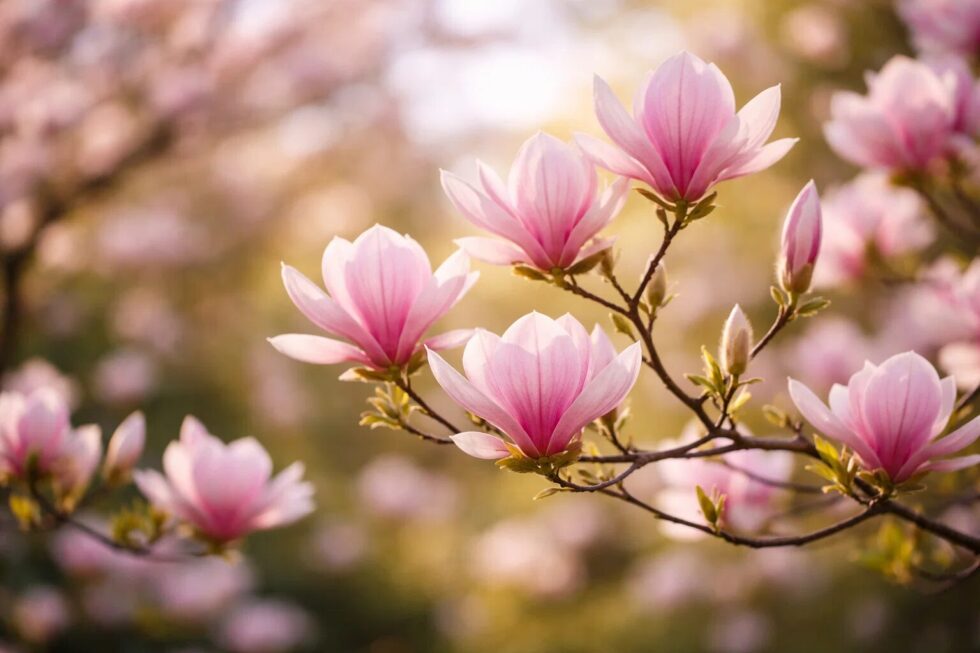
An Ancient Survivor: Pre-Dating the Bee
One of the most profound facts about magnolias is their evolutionary age. Fossil records indicate that magnolias have existed for over 95 million years, meaning they evolved before bees appeared on Earth. Consequently, the flowers are biologically engineered to be pollinated by beetles. This explains the unique structural integrity of the magnolia: its carpels are exceptionally tough to avoid damage from beetle mandibles.
- Evolutionary Age: Originating in the Cretaceous period, surviving multiple mass extinctions.
- Pollination Strategy: Relying on scent and sturdy petals rather than nectar to attract heavy-bodied beetles.
- Hardiness: Their long evolutionary history has equipped them with a resilient cellular structure.
- Historical Geography: Native primarily to East/Southeast Asia and the Americas.
The Aesthetics of the "Tulip Tree"
The primary reason for the magnolia's global popularity is its unparalleled aesthetic value during early spring. Often referred to as "Tulip Trees" (though distinct from the Liriodendron genus), their beauty lies in the timing and scale of the bloom. Magnolias are among the first plants to flower, often appearing on bare, leafless branches, which creates a dramatic, high-contrast visual effect in urban landscapes.
- Visual Impact: Large, goblet or star-shaped blooms that can reach up to 30 cm in diameter.
- Color Palette: Ranges from translucent white and cream to blush pink, deep burgundy, and rare yellow hues.
- Texture: Petals (technically "tepals") have a thick, waxy, or velvet-like texture that reflects light uniquely.
- Landscape Architecture: Used as "specimen trees" to provide a focal point in minimalist or classic gardens.
Olfactory Appeal: The Signature Scent
Beyond visual beauty, magnolias are cultivated for their complex fragrance profiles. In 2026, the perfume industry continues to utilize magnolia essential oils as a middle note in luxury fragrances. The scent varies significantly by species; some offer a crisp, citrus-lemon aroma, while others produce a heavy, creamy-vanilla or spicy-sweet scent that can permeate an entire garden on a still evening.
- Scent Profiles: Magnolia grandiflora is famous for its lemon-honey fragrance.
- Intensity: Scent is most potent during warm, humid spring evenings.
- Essential Oils: Extracted primarily from the flowers and used in aromatherapy for stress reduction.
- Attraction: The fragrance is a biological tool used to signal pollinators across long distances.
1. Royal Botanic Gardens, Kew: The Scientific Gold Standard
As a UNESCO World Heritage site, Kew Gardens remains the most authoritative location to witness the magnolia bloom 2026. This year, the Gardens are hosting the "Sounds of Blossom" festival in collaboration with the Royal College of Music, featuring unique soundscapes that enhance the experience near the Princess of Wales Conservatory and the Palm House. According to Kew’s Head of Living Collections, the abundant winter rainfall followed by sudden March sunshine has resulted in exceptionally heavy flowering across their world-renowned collection.
- Location: Kew, Richmond, TW9 3AE.
- How to get there: Take the District Line or London Overground to Kew Gardens station; the entrance is a 5-minute walk.
- Best Time: Mid-March to early April.
- Practical Tip: Book "Sounds of Blossom" tickets online to save 15% on gate prices; the event runs until April 6, 2026.
- Fact: Kew houses over 40 species of magnolia, including rare hybrids not found elsewhere in the UK.
2. St James’s Park: The Iconic Landmark Backdrop
For those seeking the quintessential London photograph, St James’s Park offers a unique aesthetic where vibrant pink petals frame the towers of Westminster and Buckingham Palace. The 2026 season has seen the park's Magnolia campbellii specimens bloom with remarkable density. Managed by The Royal Parks, this location is ideal for a mid-week visit to avoid the heavy weekend crowds that typically gather near the Blue Bridge for the best views.
- Location: London SW1A 2BJ.
- How to get there: Use St. James’s Park (District/Circle) or Westminster (Jubilee/District/Circle) stations.
- When to go: Peak bloom is currently active (late March 2026).
- Key Spot: Look for the cluster of trees near the Lodge at the eastern end of the lake.
- Constraint: Feeding wildlife is strictly regulated under the Park Regulations 1997; stick to designated areas.
3. Notting Hill: The Architectural Fusion
Notting Hill remains the "capital of street-style magnolia photography" in 2026, where the contrast between candy-colored townhouses and mature trees creates a highly sought-after visual. Residents here take immense pride in their private gardens, many of which overhang the public pavements in areas like Stanley Gardens and Hillgate Place. Unlike the managed parks, this is a residential experience requiring a respectful approach to local privacy while navigating the pastel-hued streets.
| Location | Key Street | Magnolia Type | Best Photography Time |
| Stanley Gardens | Near Ladbroke Grove | Large Soulangeana | Morning (Soft Light) |
| Hillgate Street | Near Notting Hill Gate | Pink/Purple Varieties | Midday |
| Westbourne Grove | Near Sézane | Multi-tree Rows | Golden Hour |
| Sunderland Terrace | Near Bayswater | Hot Pink Specimens | Late Afternoon |
4. Kenwood House: The North London Vista
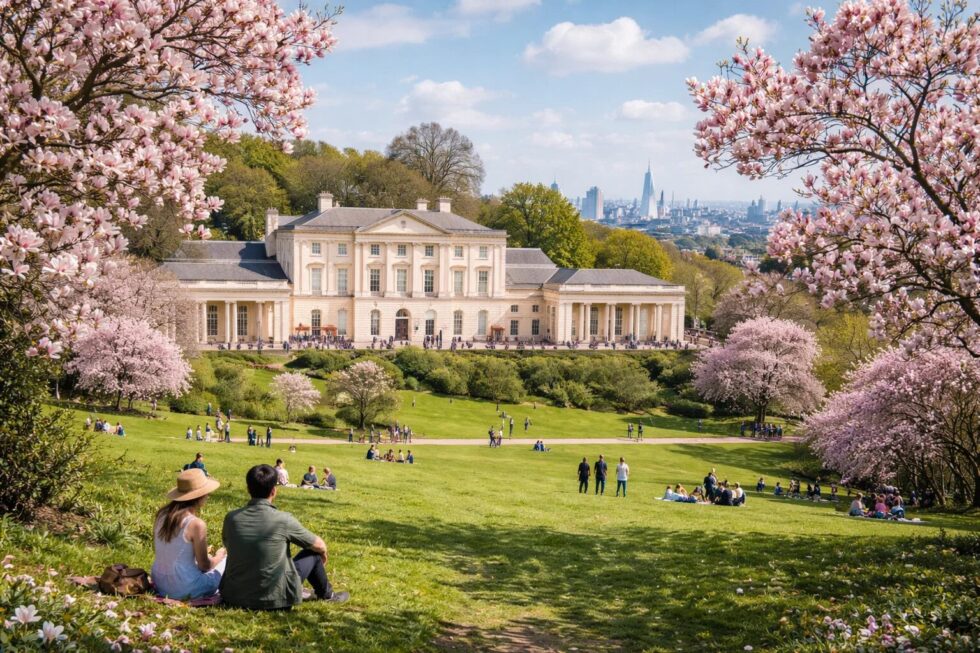
Located on the northern boundary of Hampstead Heath, Kenwood House offers a more tranquil, elevated alternative to the central London parks. The English Heritage site features several ancient magnolia trees that bloom against the backdrop of the 18th-century stately home. In 2026, the grounds have become a focal point for those wishing to combine a botanical walk with the panoramic views of the London skyline available from the nearby Heath.
- Address: Hampstead Lane, London NW3 7JR.
- How to get there: Take the Northern Line to Golders Green or Archway, then the 210 bus directly to the gates.
- Opening Hours: The grounds are open daily from 10:00 to 17:00.
- Practical Advice: Entry to the gardens is free, but booking a timed ticket for the house itself is recommended for weekend visits.
- Risk: The paths can be muddy after the record winter rain; appropriate footwear is essential.
5. Chelsea: The St. Leonard’s Terrace Legend
The Chelsea neighborhood, specifically the area surrounding the Royal Hospital and Sloane Square, provides some of the most elegant magnolia displays in the city. The single most photographed tree in London is arguably located at the corner of Bramerton Street and Glebe Place, but the row at St. Leonard’s Terrace offers a more expansive display. Historically, these trees were introduced by the Bishop of London, Henry Compton, and the 2026 bloom continues this centuries-old legacy of horticultural excellence.
- Location: St. Leonard's Terrace, Chelsea, SW3 4QG.
- How to get there: A 10-minute walk from Sloane Square (District/Circle Line).
- Noteworthy Spot: Number 18 St. Leonard’s Terrace (Bram Stoker’s former home) features a magnificent white magnolia.
- Recommendation: Combine your visit with a stroll through Ropers Gardens on the Chelsea Embankment for a view of the pink petals against the River Thames.
Why We Grow Them: Cultural and Symbolic Value
Magnolias are grown not just for decoration, but for their deep-rooted symbolism. In Chinese culture, the magnolia (Yulan) represents purity and nobility. In the American South, it is a symbol of hospitality and endurance. In the UK, particularly in London’s 2026 landscape, the magnolia is viewed as a status symbol of high-end horticulture, often associated with the gentrified, historic aesthetics of Chelsea and Kensington.
- Purity: White blooms are frequently used in wedding floral arrangements.
- Dignity: Often planted in memorial gardens due to their long lifespan (up to 100+ years).
- Femininity: Symbolizes beauty and grace in various literary and artistic traditions.
- Status: A mature, well-maintained magnolia can significantly increase a residential property’s "curb appeal" and market value.
Environmental Benefits: More Than Just a Pretty Face
In 2026, the role of magnolias in urban cooling and biodiversity is increasingly recognized by city planners. Their broad, dense leaf canopy provides excellent shade during London’s intensifying summer heatwaves, reducing the "urban heat island" effect. Additionally, they provide early-season habitat and shelter for various bird species and insects when most other trees are still dormant.
- Carbon Sequestration: Mature trees contribute to local air purification by trapping particulate matter.
- Shade Quality: Their dense foliage blocks up to 90% of direct sunlight in peak summer.
- Biodiversity Support: Provides nesting sites for songbirds like the European Robin.
- Water Management: Helps in mitigating surface runoff during heavy spring rains.
Culinary and Medicinal Uses: An Edible Bloom
A lesser-known reason for growing magnolias is their utility in the kitchen and traditional medicine. The petals of many species, particularly Magnolia grandiflora, are edible and possess a flavor profile similar to ginger or cardamom. In 2026, "pickled magnolia petals" have become a trending artisanal ingredient in high-end London bistros, used as a garnish for seafood or salads.
- Pickling: Petals are often preserved in light vinegar and sugar to maintain their color and spice.
- Tea: Dried bark and flowers are used in traditional Chinese medicine to treat respiratory issues.
- Flavoring: Fresh petals can be infused into honey or syrups for a floral kick.
- Caution: Not all varieties are palatable; only specific species are recommended for consumption.
Horticultural Resilience: Why They Thrive in London
The London microclimate, which is generally 2–3°C warmer than the surrounding countryside, is ideal for magnolias. The city's buildings provide protection from wind, which is the magnolia's greatest enemy, as strong gusts can easily bruise the delicate petals. The 2026 climate trends show a shift toward milder winters, which has actually extended the potential growing zone for more sensitive evergreen varieties.
- Microclimate Advantage: Urban heat retention prevents late-night frosts from killing early buds.
- Soil Preference: They thrive in slightly acidic, well-drained soil rich in organic matter.
- Low Maintenance: Once established, they require minimal pruning and are relatively pest-resistant.
- Adaptability: They tolerate the moderate air pollution levels found in suburban London.
The Challenge of "Late Frost": The Gardener's Risk
Despite their beauty, growing magnolias is an exercise in risk management. The greatest threat is a late spring frost, which can turn a magnificent white tree into a brown, withered mess overnight. This "all or nothing" nature of the bloom is part of what makes a successful flowering year in 2026 so precious to the community—it is a victory over the unpredictability of the British weather.
- Frost Damage: Occurs when temperatures drop below 0°C after the buds have cracked.
- Protection: Commercial growers use fleece covers or anti-transpirant sprays.
- Varietal Selection: Gardeners in colder London pockets often choose "late-blooming" hybrids.
- Economic Impact: A bad frost year can significantly reduce nursery sales for that season.
The Investment Factor: Longevity and Growth
Planting a magnolia is considered a long-term investment. They are slow-to-moderate growers, meaning a 20-year-old tree is a significant asset to a garden. In 2026, real estate data suggests that mature magnolias are one of the top "landscaping features" that prospective buyers look for in London's premium boroughs, symbolizing a settled, mature, and cared-for property.
- Growth Rate: Typically 30–60 cm per year depending on the species.
- Lifespan: Can easily live 80–120 years if the roots are not disturbed by construction.
- Cost: Large, semi-mature specimens can cost upwards of £500–£2,000 in specialized nurseries.
- Legacy: Many families plant magnolias to mark the birth of a child or a significant anniversary.
When is the peak magnolia season in London for 2026?
The peak window for 2026 is from March 15 to April 5. Sudden frost could shorten this, so check local weather updates.
Do I need tickets to see magnolias in London?
Public parks like St James's and streets like those in Notting Hill are free. Royal Botanic Gardens, Kew requires a paid ticket.
Are the magnolias still blooming in April 2026?
Yes, but they will be "late bloomers." By mid-April, many petals will have fallen, replaced by cherry blossoms.
Where is the best place for a magnolia photo without crowds?
Kenwood House and the smaller squares in Earl's Court (like Bramham Gardens) are significantly quieter than Notting Hill.
How does the 2026 weather affect the bloom?
The heavy winter rain provided deep hydration, but the lack of early sun delayed the start. Now, the flowers are opening rapidly and in high volume.
Can I see magnolias outside of London?
Yes, Cornwall is the "home" of UK magnolias. Caerhays Castle and Heligan are the top locations for the National Collection.
Read about the life of Westminster and Pimlico district, London and the world. 24/7 news with fresh and useful updates on culture, business, technology and city life: London Cherry Blossom Guide 2026: Best Instagrammable Locations and Peak Bloom Dates