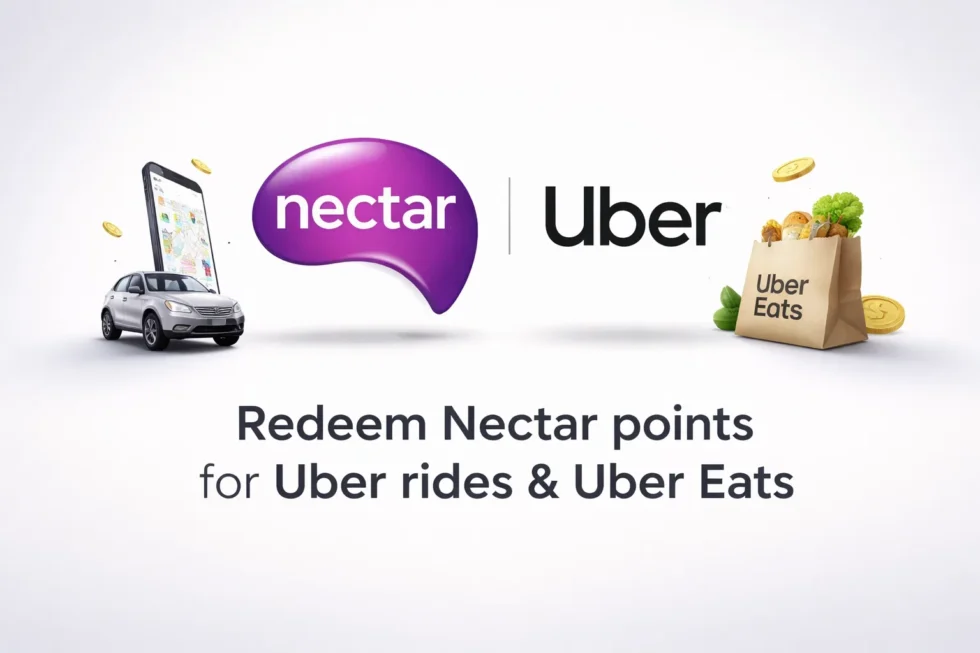
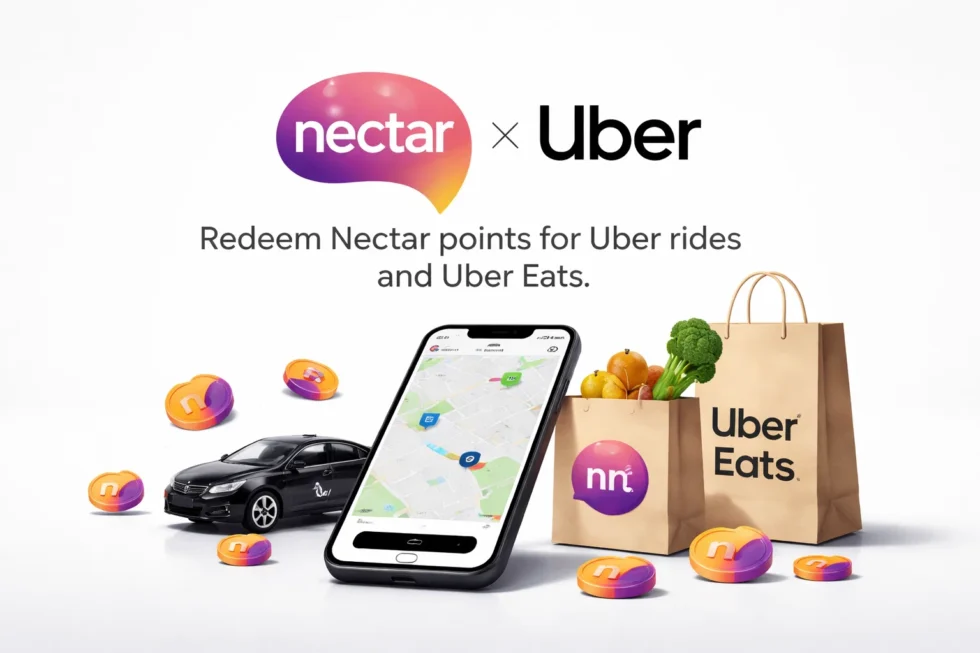
The sainsburys nectar uber partnership has been launched in the UK, allowing customers to convert loyalty points into real-world spending on transport and food, marking a significant shift in how supermarket rewards are used across everyday services. The move connects Nectar points directly with Uber rides and Uber Eats orders, enabling redemptions between £2.50 and £20 through the app, as retailers intensify competition in digital loyalty ecosystems. The WP Times reports this, citing British media including The Guardian and Reuters.
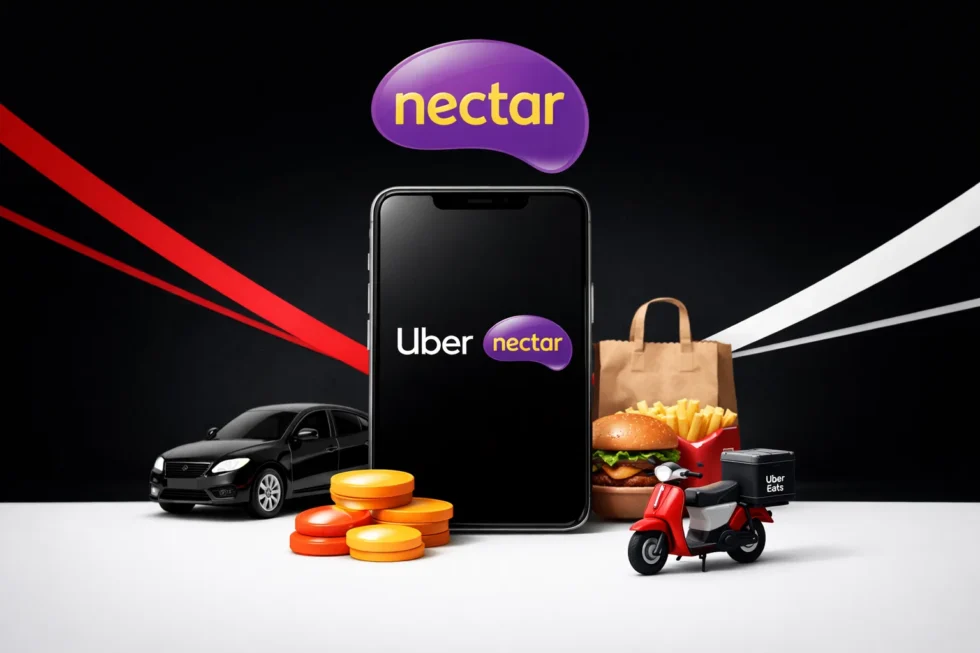
The partnership represents the first time a UK supermarket loyalty scheme has integrated with a global ride-hailing platform at this level, positioning Nectar as a broader lifestyle currency rather than a traditional grocery discount system. Owned by Sainsbury’s and operated via Nectar360, the programme already connects hundreds of brands, but the addition of Uber introduces a daily-use category with high frequency and immediate consumer value.
Customers can now redeem points directly through the Nectar app, selecting voucher values that can be applied to Uber journeys or Uber Eats transactions. The flexibility allows users to offset the cost of commuting, social travel or takeaway meals, reflecting a broader industry trend where loyalty programmes are evolving into payment-like systems embedded in digital platforms.
| Detail | Information |
|---|---|
| Retailer | Sainsbury’s |
| Loyalty programme | Nectar |
| New partner | Uber |
| Redemption value | £2.50 to £20 |
| Services included | Uber rides, Uber Eats |
| Platform | Nectar app |
| Programme operator | Nectar360 |
Mark Given, Chief Technology, Marketing and Data Officer at Sainsbury’s, said the integration is designed to expand how customers experience value beyond supermarkets. “We’re giving people more ways to enjoy the value they get from Nectar, making everyday moments more rewarding,” he said in a company statement released alongside the announcement in London on 9 April 2026. “Being able to use Nectar points on Uber rides or an Uber Eats treat fits naturally into how people already live and spend.”The strategic importance of the move lies in frequency of use. While grocery rewards are typically redeemed weekly or monthly, transport and food delivery services are used far more regularly, potentially increasing engagement with the Nectar ecosystem. Analysts note that this could significantly raise redemption rates, particularly among younger urban consumers who are already integrated into app-based mobility and delivery networks.
Uber becomes the first transport partner within Nectar, differentiating it from existing collaborations with airlines, hotels and retail brands. The addition signals a shift towards “real-time rewards”, where points are not saved for long-term benefits but used immediately in daily transactions.
Industry observers suggest the partnership reflects intensifying competition among UK supermarkets, particularly as discounters and online platforms continue to reshape consumer behaviour. Loyalty schemes are increasingly being used as strategic tools to retain customers, gather data and drive cross-platform spending. For shoppers, the change is positioned as a practical benefit. Instead of converting points into grocery discounts alone, users can now apply them to everyday services without leaving the digital ecosystem. This removes friction in the redemption process, a key factor often cited as limiting the effectiveness of loyalty programmes.
The UK loyalty market has expanded rapidly over the past decade, with programmes moving beyond simple points accumulation to include personalised offers, partnerships and digital wallets. Nectar, which already claims millions of users, has been at the forefront of this shift, particularly through its integration with mobile technology.The partnership also reflects broader changes in consumer expectations. Convenience, flexibility and immediacy have become central to purchasing decisions, especially in urban environments such as London, Manchester and Birmingham. By linking grocery rewards to transport and food delivery, Sainsbury’s is aligning its offering with these behavioural patterns.
At the same time, the move highlights the growing importance of partnerships between traditional retailers and technology platforms. Uber, which operates across transport and delivery sectors, provides access to a large and active user base, creating mutual benefits for both companies. From a commercial perspective, the integration may also support customer retention. By embedding rewards into everyday services, Sainsbury’s increases the likelihood that customers remain within its ecosystem rather than switching to competitors. The scale of the Nectar programme remains a key factor in its influence. With around 500 partner brands, it already functions as one of the UK’s largest loyalty networks. The addition of Uber strengthens its position by introducing a high-utility category that connects with daily routines.
However, the long-term impact will depend on adoption rates and user behaviour. While the option to redeem points for Uber services is expected to be popular, analysts note that sustained engagement will require continued innovation and competitive value compared with other loyalty schemes. For Uber, the partnership provides an additional incentive for users to choose its services over competitors, particularly in a market where price sensitivity remains high. By accepting Nectar points, the platform effectively taps into an existing reward currency, potentially driving incremental demand.
The integration is now live within the Nectar app, with users able to select redemption amounts and apply them at checkout for rides or deliveries. Early responses indicate strong interest, particularly among customers with unused points accumulated over time. The development comes amid broader changes in the UK retail landscape, where digital transformation, cost pressures and shifting consumer habits are forcing companies to rethink traditional models. Loyalty programmes, once seen as supplementary, are increasingly central to strategy. As supermarkets compete not only on price but on ecosystem value, partnerships like this are likely to become more common. The sainsburys nectar uber partnership may therefore signal a wider shift towards interconnected consumer platforms, where points function as a flexible digital currency across multiple sectors.
Read about the life of Westminster and Pimlico district, London and the world. 24/7 news with fresh and useful updates on culture, business, technology and city life: When is LIDO Festival 2026, why was it delayed, and what does it mean for visitors