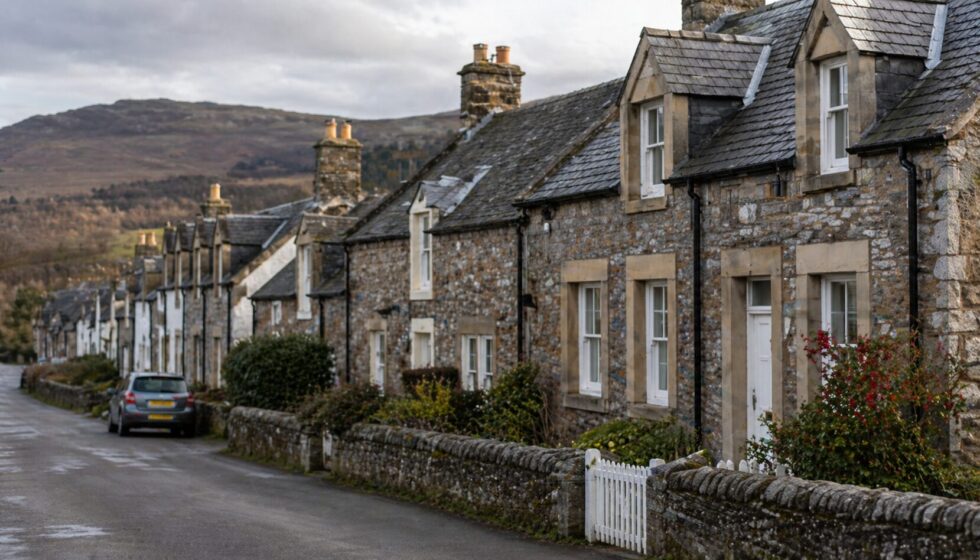
Council tax changes targeting second homes in Scotland have triggered a sharp backlash after Highland Council introduced a 300% premium from 1 April 2026, effectively raising bills to up to four times the standard rate for affected properties across the region. The increase follows legislative changes by the Scottish Government in 2025 removing the previous 100% cap on second and empty homes, with local budget plans already signalling a further rise to as much as 400% by the 2028/29 financial year, The WP Times reports.
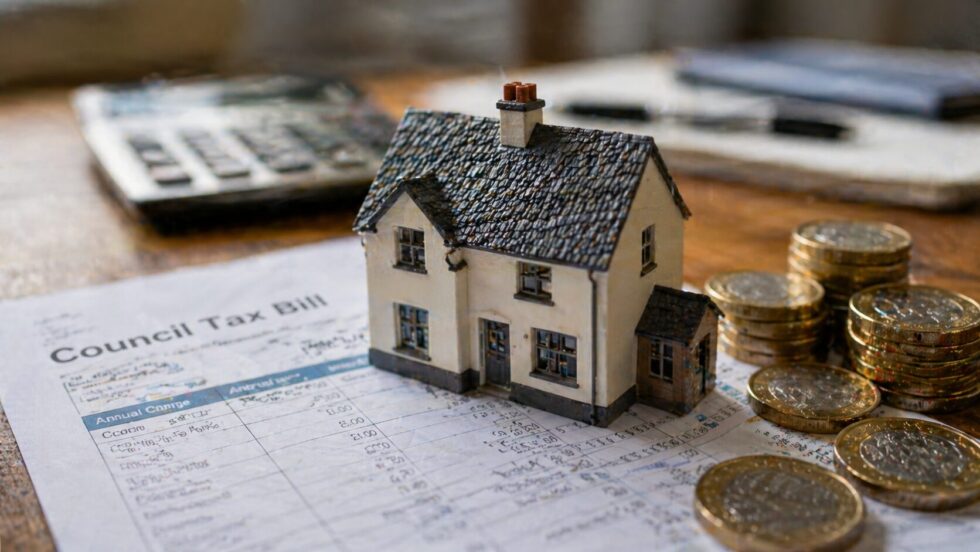
The policy forms part of a wider intervention aimed at easing housing shortages in rural and tourism-driven areas, where local authorities argue that underused properties restrict supply for permanent residents. However, it has prompted organised resistance from homeowners — particularly retirees — who say the measure fails to distinguish between speculative investment and lifestyle ownership, placing sudden financial pressure on those relying on second homes as part of long-term pension planning. Campaign groups warn the pace and scale of the increase risk forcing rapid sales, reducing seasonal economic activity and reshaping local housing markets before longer-term impacts can be assessed.
council tax increase on second homes: what has changed
The 300% council tax premium came into force following reforms introduced by the Scottish Government in 2025, allowing local authorities to apply significantly higher charges to second and unoccupied homes. Highland Council adopted the maximum increase as part of its 2026/27 budget, citing housing demand pressures across rural communities.
Under the previous system, second homes could be charged up to double the standard council tax rate. The removal of the cap now allows councils to impose charges up to four times the base level. Officials in the Highlands have confirmed that further increases are planned, with a potential 400% rate under consideration by the end of the decade.
council tax premium structure in Scotland
| Policy stage | Premium applied | Total bill vs standard | Authority |
|---|---|---|---|
| Pre-2025 rules | Up to +100% | Up to 2× standard rate | National cap |
| April 2026 реформы | +300% | Up to 4× standard rate | Highland Council |
| Planned 2028/29 | Up to +400% | Up to 5× standard rate | Council budget strategy |
| Legislative change | Cap removed | Expanded powers | Scottish Government |
Local authorities argue that second homes reduce available housing stock in areas already facing shortages, particularly in tourist-heavy regions. By raising council tax sharply, councils aim to encourage owners to sell, occupy the properties full-time, or place them into the long-term rental market.
Why council tax policy targets second homes in Scotland
The policy sits within a broader effort by Scottish authorities to tackle housing shortages, particularly in rural and island communities where property availability has tightened. Demand for homes has increased while supply remains constrained, leading to rising prices and reduced access for local residents.
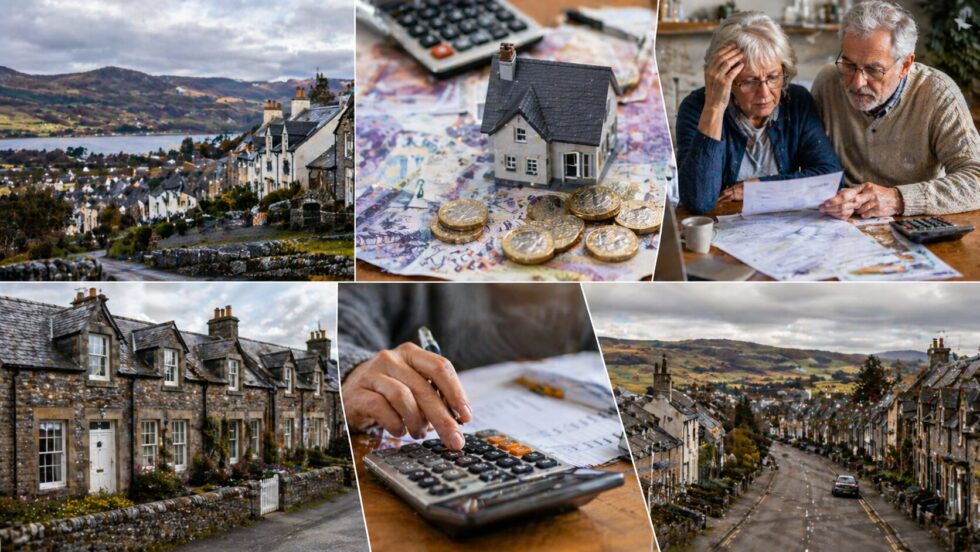
Second homes, often used seasonally or as holiday properties, have been identified by councils as contributing to under-occupation. By increasing council tax, policymakers aim to shift behaviour and prioritise permanent residency. Highland Council has stated that the approach follows consultation exercises and reflects community priorities, with officials describing the strategy as a “carrot and stick” model combining financial pressure with incentives for better property use.
comparison: second home council tax across Scotland (2026)
| Area | Premium level | Start date | Policy goal |
|---|---|---|---|
| Highlands | 300% | April 2026 | Increase housing supply |
| Edinburgh | 300% | 1 April 2026 | Reduce underuse of homes |
| Other councils | Up to 300% | 2025–2026 | Local housing pressure response |
Similar measures have been introduced in other parts of Scotland, including Edinburgh, where a 300% premium also came into effect on 1 April 2026. Across the UK, councils are increasingly using tax tools to influence housing markets in areas affected by second-home ownership.
What second home owners say about council tax rise
Colin Tyler, spokesman for the campaign group Second Home Owners for Fair Treatment (SHOFT), criticised the policy in comments reported by the Herald in April 2026. He said many affected homeowners are retirees rather than high-net-worth investors. “A lot of the second homeowners, particularly in our group, are retirees and it’s a lifestyle choice they’ve made using their pensions to supplement,” Tyler said, adding that owners are “choosing to invest in Scotland, and more importantly… in the Highlands.”
He continued: “Why target indiscriminately and almost call second homeowners parasites… when the reality is that’s not really the case? We feel very unwelcome.” Campaigners argue that the tax increase risks damaging local economies reliant on seasonal residents. Businesses in tourism-dependent areas could see reduced spending if second-home owners sell or reduce visits.
How the council tax rise could reshape the housing market
The immediate effect of the policy is a sharp increase in annual costs for second-home owners. Depending on the council tax band, the additional charge could amount to several thousand pounds per year, prompting many to reconsider their property strategy. Property owners are broadly considering three main responses:
- Absorbing the higher council tax and maintaining current use
- Selling the property due to increased costs
- Moving the property into the long-term rental market
financial impact scenarios for second home owners
| Scenario | Likely outcome | Risk level |
|---|---|---|
| Keep property | Higher annual cost burden | Medium |
| Sell property | Exit market, potential price pressure | Medium–high |
| Rent long-term | Offset tax via income | Lower |
Local authorities expect the third option to drive policy success, increasing housing availability for permanent residents. However, the transition may take time, particularly in areas where rental demand and infrastructure vary. There are also regulatory constraints affecting alternative uses. Short-term holiday lets in some areas face stricter licensing requirements, limiting flexibility for owners seeking to offset costs through tourism-based income.
What happens next for council tax policy and homeowners
Highland Council has confirmed that the 300% premium forms part of a wider multi-year budget strategy, with further increases under review. The Scottish Government continues to support local authorities in using council tax as a tool to manage housing supply.
Campaign groups have begun lobbying ministers, including John Swinney, calling for a reassessment of the policy’s scope and implementation. Letters have been submitted outlining concerns about fairness and economic impact. Future developments will depend on both political response and measurable outcomes. Councils are expected to monitor housing availability, property usage and revenue generated from the increased tax. For homeowners, the next key milestones include potential revisions to council tax rates ahead of the 2028/29 financial year and any legislative adjustments introduced by the Scottish Parliament. Updates are expected through council budget announcements and official government statements.
Read about the life of Westminster and Pimlico district, London and the world. 24/7 news with fresh and useful updates on culture, business, technology and city life: Why is Giant from Gladiators leaving BBC after three seasons and what triggered his departure