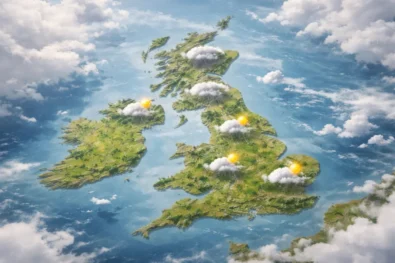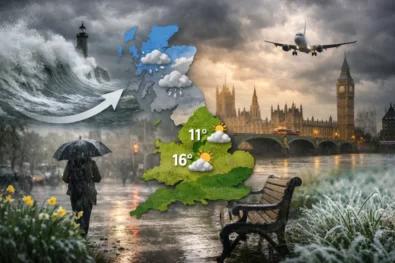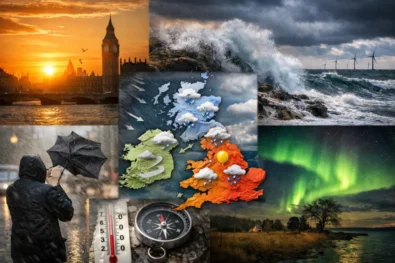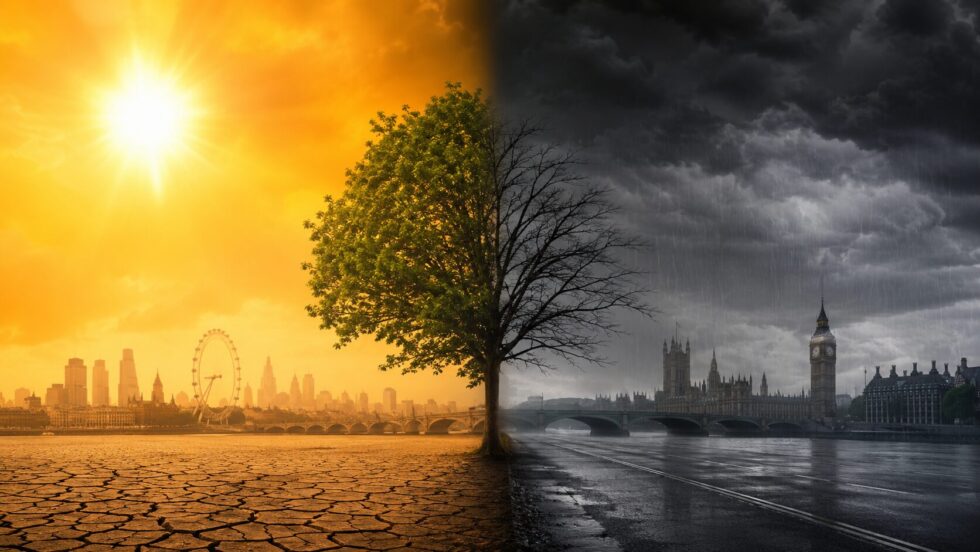
Heat wave conditions across Britain have put health services, schools, transport networks and households under pressure after the UK recorded its hottest June day on record and the Met Office extended extreme heat alerts into the weekend. Temperatures reached a provisional 37.3C at Santon Downham in Suffolk on Friday, 26 June 2026, after June records were broken for three days in a row, while London, the South East, East Anglia and parts of the East Midlands remained under close watch as hot, humid air turned into thunderstorms, reported The WP Times.
The weather forecast heatwave picture is now changing, but the risk has not disappeared. Forecasters expect fresher air to move from west to east, easing the worst heat by Sunday, while thunderstorms, travel delays, warm nights and pressure on vulnerable people remain the main concerns. The immediate issue for Britain is not only how hot it became, but how quickly extreme heat affected daily life: schools closed, NHS trusts declared critical incidents, flights were delayed and emergency services warned people not to take risks in open water.
UK heat wave weather forecast: what changes this weekend
The Met Office says the peak of the heat wave is now beginning to ease, but parts of England are still dealing with high humidity, warm nights and unstable air. London and the South East remain the main focus because urban areas hold heat for longer, especially after several days above 30C.
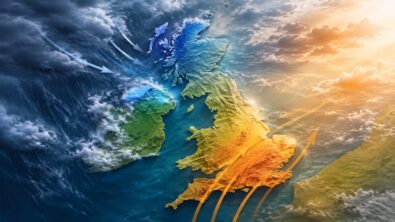
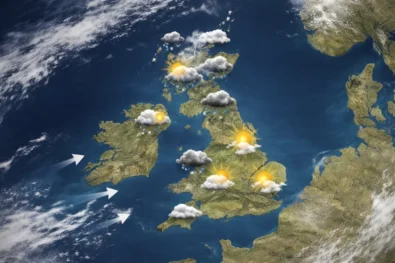
By Saturday night and Sunday, a fresher Atlantic air flow is expected to push across the country. That should lower temperatures in many places to the mid or high 20s rather than the mid or high 30s. For many people, it will still feel warm, but less dangerous than the peak of the week. Thunderstorms are the next risk. After a heat dome builds extreme temperatures, humid air can break into heavy showers, lightning and sudden local flooding. That means the end of the heat wave does not automatically mean a calm weather pattern.
Extreme heat weather warning London: why the capital remains exposed
London is one of the most exposed parts of Britain during a heat wave because concrete, traffic, dense housing and limited shade trap heat overnight. This is why an extreme heat weather warning London alert matters beyond daytime temperatures. Warm nights are especially serious because people’s bodies have less time to recover. Older people, babies, people with heart or lung conditions, pregnant women, outdoor workers and people living in poorly ventilated flats face the highest risk. The capital also has heavy pressure points: hospitals, Underground travel, commuter rail, airports, care homes, schools and social housing. When heat continues for several days, small failures become larger problems, from overheated classrooms to delayed trains and medical equipment faults.
Britain heat wave table: what is happening across the country
| Area of Britain | Current heat wave situation | Main risks | What people should watch |
|---|---|---|---|
| London | Hot, humid and slow to cool after several very warm nights | Heat stress, transport pressure, air quality, thunderstorms | Check Met Office warnings, avoid peak afternoon heat, plan Tube and rail travel |
| South East England | One of the highest-risk zones after record June heat | Thunderstorms, flight delays, school disruption, pressure on hospitals | Watch local storm warnings and airport updates |
| East Anglia | Suffolk recorded the provisional UK June record of 37.3C | Extreme heat, rural fire risk, vulnerable residents | Avoid open-water risks and check on older neighbours |
| East Midlands | Still affected by heat warnings in parts | Warm nights, school disruption, health pressure | Follow local authority and NHS advice |
| West Midlands | Very hot conditions earlier in the week, now easing | Heat in urban areas, workplace overheating | Hydration, shaded travel, check indoor temperatures |
| South West England | Heat easing sooner than the South East in many areas | Thunderstorms, coastal crowding, water safety | Do not swim in unsafe areas after drinking or in fast currents |
| Wales | Heat affected parts of Wales, with fresher air arriving from the west | Water safety, thunderstorms, transport disruption | Follow local warnings and avoid risky swimming spots |
| Northern England | Conditions becoming more manageable earlier than the South East | Local storms, residual heat, travel disruption | Check rail and road updates |
| Scotland | Less extreme than southern England, but still affected by wider UK disruption | Thunderstorms, travel knock-on effects | Check forecasts before travel |
| Northern Ireland | Lower heat risk than southern and eastern England | Showers, humidity, travel disruption | Watch local weather updates |
Record June temperatures: why this heat wave is different
The UK’s previous June heat record stood for decades before being broken repeatedly in the same week. The provisional 37.3C reading in Suffolk marked a major moment because it showed how quickly British summer extremes are changing. The heat was driven by a heat dome over western Europe, pulling very hot air into Britain from the continent. This pattern can bring intense sunshine, very high daytime temperatures and uncomfortable nights.
The wider European picture is also important. Mainland Europe has faced temperatures above 40C in some areas, with Germany, Denmark and Slovakia among countries reporting exceptional heat. Britain is not isolated from that pattern; when western Europe overheats, the UK can be hit by the edge of the same air mass.
Schools, NHS and airports: how the heat wave disrupted daily life
The heat wave affected Britain’s basic systems quickly. Hundreds of schools were forced to close or change timetables because classrooms became too hot for normal lessons. Many school buildings were not designed for repeated days of extreme summer heat. Hospitals also faced pressure. Several NHS trusts declared critical incidents as heat affected equipment, IT systems, staff conditions and patient demand. Heat can increase emergency admissions, worsen existing health conditions and make already crowded hospitals harder to operate.
Airports were hit as thunderstorms followed the heat. Heathrow and Gatwick saw hundreds of delayed flights as storm activity affected arrivals and departures. This is a key part of the weather forecast heatwave story: extreme heat often ends with unstable conditions, not a clean return to normal.
July weather forecast: what could happen next
July weather in Britain is expected to feel more mixed after the peak of the June heat wave. Temperatures should ease from record-breaking levels, but the country remains in a period where short bursts of very hot weather can return quickly. The most likely pattern is warmer-than-average spells interrupted by fresher Atlantic air, showers and thunderstorms. Southern and eastern England remain the areas most likely to see another short hot spell if high pressure rebuilds over Europe. For London and the South East, even temperatures around 27C or 28C can feel uncomfortable after several warm nights. Humidity, lack of wind and urban heat can make the real impact stronger than the number on the forecast.
What experts and officials are saying about Britain’s heat risk
The National Heat Risk Commission has warned that extreme heat should no longer be treated as a rare one-off event. Its message is that Britain needs better preparation for hotter summers, including homes, hospitals, schools, transport and public spaces. Climate advisers have also warned that the UK was built for a cooler climate. Many homes lack shutters, external shading, insulation suited to summer heat or safe ventilation. This makes overheating a national housing issue, not only a weather issue.
Government officials say departments are considering recommendations on climate adaptation, including how to protect infrastructure and local services. The central question is how quickly those changes can happen before more frequent heat waves test the same systems again.
Practical heat wave advice for Britain
People should avoid the hottest part of the day where possible, especially between late morning and late afternoon. Anyone who must travel or work outside should carry water, take breaks in shade and watch for dizziness, confusion, headache or nausea. Homes should be kept cooler by closing curtains or blinds on sunny windows during the day and opening windows only when the air outside becomes cooler. Fans can help, but they do not remove heat from a room and should not replace hydration. Open water remains a serious danger during heat waves. Rivers, lakes and reservoirs can look safe but may have cold shock risk, currents, hidden objects and sudden depth changes. Several recent deaths during hot weather have involved people getting into difficulty in water.
Background: why Britain is being told to prepare for a hotter climate
Britain’s heat risk has changed sharply since the 2022 heat wave, when temperatures exceeded 40C for the first time in UK records. That summer exposed major weaknesses: rail lines buckled, runways softened, hospitals struggled and thousands of heat-related deaths were recorded. The current June 2026 heat wave has renewed pressure on ministers, local councils, schools, NHS leaders and transport operators to treat heat as a core public safety issue. The concern is not only single-day records, but repeated hot spells that last long enough to affect sleep, health, work, travel and infrastructure. The Climate Change Committee has warned that UK adaptation remains too slow for the risks already arriving. Homes, care settings, schools and hospitals are central to that warning because they hold the people most exposed to heat. Britain’s July weather may now turn fresher, but the system-level question remains how the country prepares for the next extreme heat warning.
Read about the life of Westminster and Pimlico district, London and the world. 24/7 news with fresh and useful updates on culture, business, technology and city life: How can London flats get air conditioning without a balcony, outdoor unit or planning trouble