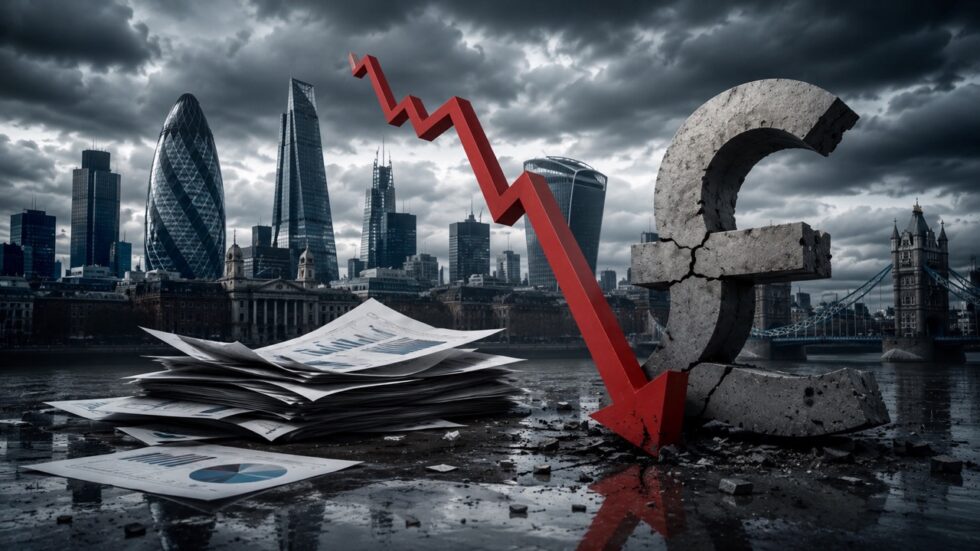
UK company insolvencies fell to 1,868 in England and Wales in May 2026, down 10% on April and 16% lower than May 2025, according to the Insolvency Service, yet the easing headline sits alongside a steady run of high-profile collapses across retail, hospitality and manufacturing, from Claire's and Roberts Bakery to EO Charging, showing that fewer failures overall does not mean the pressure on established British brands has passed. The month's total was made up of 285 compulsory liquidations, 1,423 creditors' voluntary liquidations, 135 administrations and 25 company voluntary arrangements, reported by The WP Times, citing official UK insolvency statistics and trade coverage of individual cases.
The case matters because the two signals point in opposite directions. On paper, insolvency is drifting back toward the calmer levels seen between late 2025 and early 2026. In practice, the names entering administration are often long-established and well-known, which is why "who's gone bust" remains one of the most-searched questions about the UK economy in 2026.
What the latest Insolvency Service data confirms
The May 2026 release shows a genuine month-on-month decline spread across the main procedures. Creditors' voluntary liquidations, the largest category, made up 76% of the total at 1,423 cases and were 5% lower than April. Administrations fell 24% to 135, though that partly reflects an unusual April spike when more than 70 connected real-estate companies entered insolvency in a single cluster. Compulsory liquidations dropped 26% to 285. Only CVAs rose, up to 25 from a low base, and they still account for roughly 1% of all cases.
The rolling rate confirms the easing. In the 12 months to 31 May 2026, one in 196 companies on the effective register entered insolvency, a rate of 50.9 per 10,000, down from 53.0 per 10,000 in the year to May 2025 and from a post-pandemic peak near 57.3 in late 2023. Even so, current monthly volumes are roughly comparable to the 2008–09 recession, with the rate looking lower mainly because the active company register has more than doubled since then.
| Metric (England & Wales) | May 2026 |
|---|---|
| Total company insolvencies | 1,868 |
| Change vs April 2026 | −10% |
| Change vs May 2025 | −16% |
| Creditors' voluntary liquidations (CVLs) | 1,423 (76%) |
| Compulsory liquidations | 285 |
| Administrations | 135 |
| Company voluntary arrangements (CVAs) | 25 |
| Receivership appointments | 0 |
| 12-month insolvency rate | 50.9 per 10,000 (1 in 196) |
Which sectors are under the most strain
The distribution is consistent month to month. Over the 12 months to May 2026, the sectors with the highest insolvency counts were construction (3,803 cases, 17% of those where an industry was captured), wholesale and retail trade including motor-vehicle repair (3,527, 15%), and accommodation and food service activities (3,296, 14%). Administrative and support services, professional and scientific activities, and manufacturing followed. These are raw volumes rather than failure rates, so larger sectors naturally record more cases, but the ranking still shows where consumer-facing and cost-exposed businesses are concentrated.
Why big brands keep falling even as totals ease
2026 has produced a steady stream of recognisable casualties. Retail and hospitality names entering administration since the start of the year include TGI Fridays, Russell & Bromley, The Original Factory Shop and Claire's, which closed all 154 UK stores with around 1,300 job losses before a debt-free relaunch. In food manufacturing, Roberts Bakery, the 138-year-old Cheshire firm, was broken up and sold for nearly £24m to Warburtons and the Boparan Private Office. In clean tech, EV charging firm EO Charging entered administration with PwC appointed and 69 of 93 staff made redundant.
The drivers behind these individual failures are well understood and largely shared. Businesses continue to face weak growth, the lagged impact of higher borrowing costs, rising employment costs and a firm HMRC enforcement stance that sustains creditor pressure. Consumer-facing sectors carry the extra burden of weak discretionary spending, while energy and input costs keep squeezing already thin margins. Any single company's collapse usually reflects a specific trigger layered on top of this backdrop rather than a single national cause.
One nuance is worth keeping. A rise in administrations, as opposed to liquidations, is not purely negative, because administration powers are designed to rescue trading businesses, including through pre-pack sales, which can protect more jobs and creditor value than a straight liquidation. Several 2026 collapses, including Roberts and Claire's, ended in sales or relaunches rather than total shutdowns, so "gone bust" does not always mean a brand has vanished.
The strongest version of the picture is this: UK insolvency volumes are easing from an elevated run, and the rolling rate is below its post-pandemic peak, but activity remains high by historical standards and continues to claim large, established names, particularly in construction, retail and hospitality. The next scheduled Insolvency Service release is due on 17 July 2026 and will show whether May's fall was a genuine turn or a pause between two busier months.
Frequently asked questions
How many UK companies went insolvent in May 2026?
There were 1,868 company insolvencies in England and Wales in May 2026, 10% lower than April and 16% lower than May 2025, made up of 285 compulsory liquidations, 1,423 CVLs, 135 administrations and 25 CVAs.
Is UK insolvency getting better or worse in 2026?
Monthly totals are easing and the 12-month rate has fallen to 50.9 per 10,000 companies, but levels remain high by historical standards, roughly comparable to the 2008–09 recession in raw volume terms.
Which sectors have the most insolvencies?
Over the 12 months to May 2026, construction (17%), wholesale and retail trade (15%) and accommodation and food services (14%) recorded the most cases. These are volumes, not failure rates.
Which well-known brands went bust in 2026?
Names entering administration in 2026 include Claire's, Roberts Bakery, TGI Fridays, Russell & Bromley, The Original Factory Shop and EO Charging, though several ended in sales or relaunches rather than complete closure.
When is the next UK insolvency data released?
The Insolvency Service publishes monthly statistics, with the next scheduled release on 17 July 2026.
Read about the life of Westminster and Pimlico district, London and the world. 24/7 news with fresh and useful updates on culture, business, technology and city life: The Hidden Labour Market Keeping London's Grandest
Homes Running