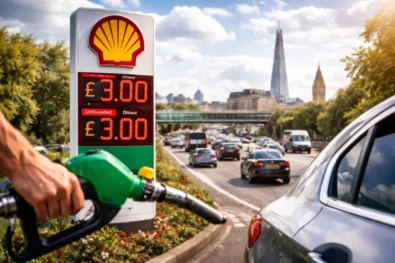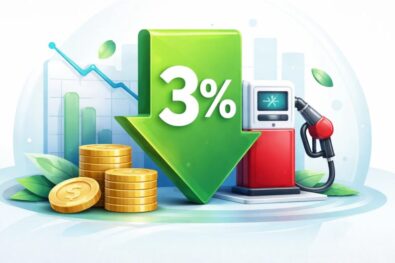
The UK inflation rate rose to 3.5% in the 12 months to September 2026, up from 3.1% in August, according to the Office for National Statistics, and the next official figure, covering October, will be published on Wednesday 18 November. The rise was driven mainly by transport costs, with motor fuel prices up 29.8% over the year as the conflict in the Middle East pushed oil from about $70 a barrel to around $96. The broader CPIH measure, which includes owner occupiers' housing costs, rose to 3.6% from 3.3%, core CPI inflation excluding energy, food, alcohol and tobacco climbed to 2.8% from 2.6%, and services inflation increased to 3.7% from 3.4%. Food inflation, by contrast, held at 1.3%, with food prices falling 0.2% on the month. The figures prompted the Bank of England to raise Bank Rate from 3.75% to 4% on 5 November, and the Bank now expects inflation to reach about 5% by mid-2027, as the Westminster newsroom of The WP Times reports.
For households in Westminster and across London, the practical effect of a higher UK inflation rate is felt in petrol and diesel, travel, energy bills and borrowing costs rather than in the weekly food shop. The energy price cap for October to December 2026 equals a typical annual dual-fuel bill of £1,723 for households paying by Direct Debit, and Ofgem will confirm the January to March 2027 cap by 25 November. Forecasts for January vary widely, from £1,872 according to Cornwall Insight to around £2,165 in an estimate attributed to EDF. Pay growth, pensions and benefits matter as much as prices: the State Pension and most working-age benefits rise each April, and September's CPI figure is the one normally used to set the benefits increase. With inflation well above the Bank of England's 2% target and expected to rise further, savers need accounts paying more than inflation to protect the real value of their money, while borrowers on tracker mortgages have already seen payments increase.
Contents
UK inflation rate: the September figures
The ONS publishes several measures of inflation each month. The headline Consumer Prices Index is the one used for the Bank of England's 2% target.
The main measures
| Measure | August 2026 | September 2026 |
|---|---|---|
| CPI | 3.1% | 3.5% |
| CPIH | 3.3% | 3.6% |
| Core CPI | 2.6% | 2.8% |
| Core CPIH | 2.9% | 3.1% |
| CPI goods | 2.7% | 3.2% |
| CPI services | 3.4% | 3.7% |
| Food and non-alcoholic drinks | 1.3% | 1.3% |
What pushed prices up
"The largest upward contribution came from transport, particularly motor fuels."
(Office for National Statistics, Consumer price inflation bulletin for September 2026)
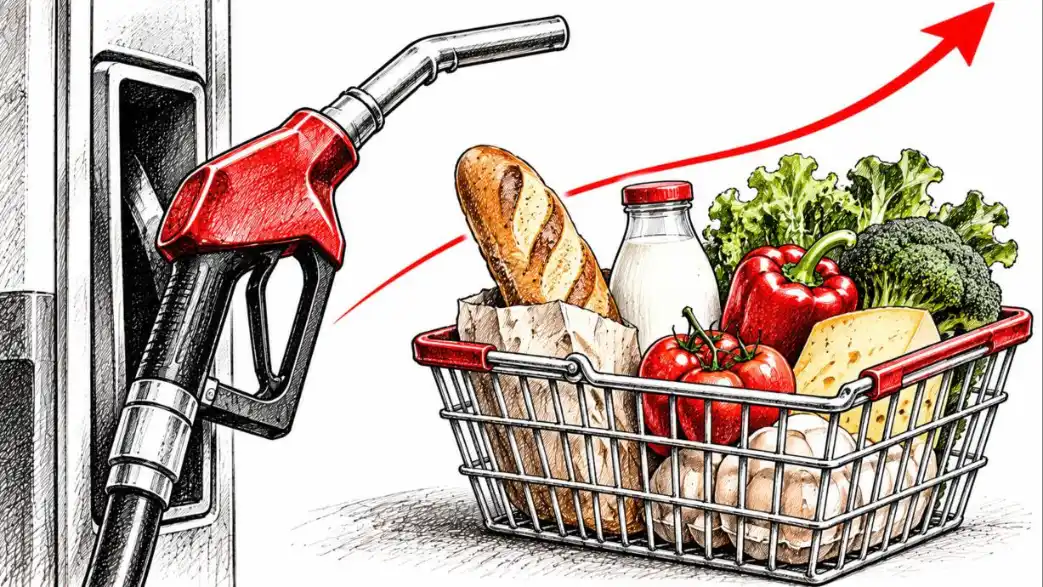
Motor fuel prices rose 29.8% over the year. The largest offsetting downward contribution came from restaurants and hotels, where hotel price growth slowed. Airfares, computer games and live events also added to price pressure, according to the Bank of England's assessment.
Why the UK inflation rate is rising again
After falling from a peak of 11.1% in October 2022, inflation had moved closer to the 2% target. The 2026 rise is largely an energy shock linked to the conflict in the Middle East.
Energy and fuel
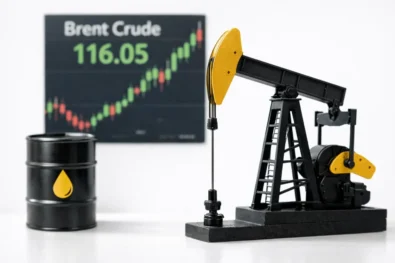
- Oil rose from about $70 a barrel before the conflict to around $96, according to the Bank of England.
- Petrol and diesel prices respond quickly to oil, which is why transport was the biggest driver in September.
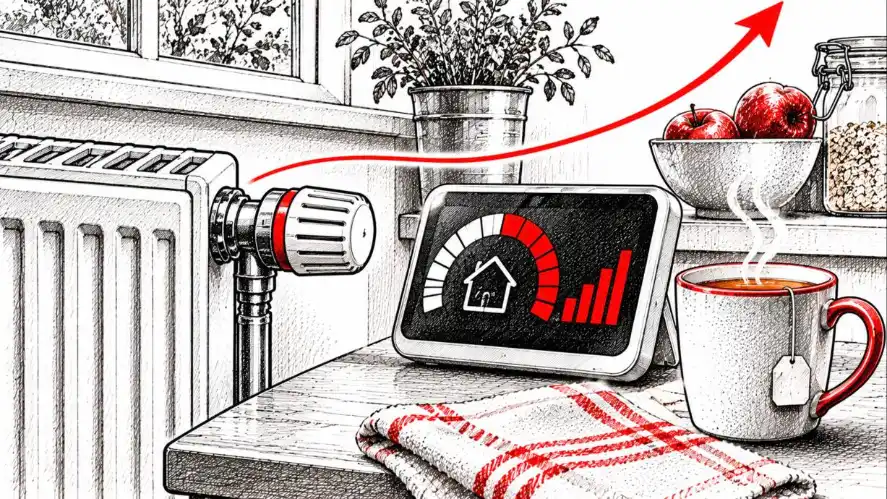
- Household gas and electricity prices are set quarterly through the Ofgem price cap, so higher wholesale costs feed through with a delay.
- Business energy costs can be passed on in the prices of goods and services over the following months.
Food prices
Food inflation held at 1.3% in September, much lower than headline inflation. The Bank of England has said food prices are expected to rise in 2027, partly because of the El Niño weather pattern.
What it means for household budgets
A higher UK inflation rate means money buys less than a year ago. The impact differs between households depending on how much they spend on fuel, energy and travel.
Energy bills
| Period | Typical annual dual-fuel bill |
|---|---|
| October to December 2026 | £1,723 |
| January to March 2027, Cornwall Insight forecast | £1,872 |
| January to March 2027, EDF estimate | £2,165 |
Mortgages and savings
The Bank of England raised Bank Rate to 4% in response to rising inflation. Tracker mortgages rise immediately, while savers may see better rates. Our report on the Bank of England interest rate decision explains the impact, and our guide to the best savings rates in November 2026 lists accounts that beat the UK inflation rate.
Pensions, benefits and pay
Inflation figures are used to uprate many benefits each April. The September CPI figure is normally the reference point for working-age benefits and disability benefits.
Benefits and the State Pension
- The State Pension rises under the triple lock by the highest of September CPI inflation, average earnings growth or 2.5%.
- Most working-age benefits are normally uprated by September CPI, which was 3.5% this year.
- Final decisions on uprating are confirmed by the government in the autumn.
- Pension Credit and other means-tested support can help older households with rising costs.
Wages
Pay growth above the UK inflation rate means real wages rise. If inflation climbs towards 5% as the Bank of England expects, real pay growth may slow unless wages accelerate.
How to protect your money from inflation
There is no single answer, but small changes can reduce the effect of rising prices on household finances.
Practical steps
- Compare energy tariffs, although fixed deals may cost more than the cap when wholesale prices are high.
- Move savings to accounts paying more than the UK inflation rate, using a cash ISA where possible.
- Check eligibility for support such as Pension Credit, the Warm Home Discount and Council Tax Reduction.
- Review direct debits and subscriptions that rise with inflation each year.
- Fill up at cheaper petrol stations, as fuel prices vary significantly across London.
Watch the key dates
| Date | Event |
|---|---|
| 18 November 2026 | October inflation figures |
| 25 November 2026 | Ofgem confirms January to March energy price cap |
| 17 December 2026 | next Bank of England rate decision |
| 1 January 2027 | new energy price cap applies |
UK inflation rate: questions and answers
What is the UK inflation rate now
CPI inflation was 3.5% in the 12 months to September 2026, up from 3.1% in August.
When are the next inflation figures
The ONS publishes October figures on Wednesday 18 November 2026.
Why has inflation gone up
Mainly because of motor fuel prices, which rose 29.8% over the year as oil prices climbed during the conflict in the Middle East.
What does the Bank of England expect
The Bank expects inflation to reach about 5% by mid-2027 and raised Bank Rate to 4% on 5 November.
Is food inflation rising
Not at the moment. Food inflation held at 1.3% in September, although the Bank expects food prices to rise in 2027.
Background: the 2% target
The government sets the Bank of England an inflation target of 2%, measured by CPI. If inflation is more than one percentage point above or below the target, the Governor must write an open letter to the Chancellor explaining why and what the Bank is doing about it. The latest figures are published on the ONS inflation and price indices page.
For more on household finances, read our guides to Pension Credit 2026 and sending money from the UK to Europe.
Sources used: Office for National Statistics, Bank of England, Ofgem, Cornwall Insight, EDF, The Independent, IBTimes UK, MoneyWeek