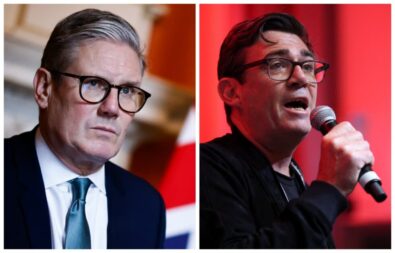
On Sunday, 8 February 2026, UK Prime Minister Keir Starmer was left without his chief adviser after the head of his office, Morgan McSweeney, resigned following renewed political fallout linked to the Jeffrey Epstein case. McSweeney stepped down amid criticism over his role in the appointment of former Labour peer Peter Mandelson as Britain’s ambassador to the United States. The resignation comes as newly released documents related to Epstein have reignited scrutiny of past political decisions. This is reported by The WP Times, Sky News and Reuters.
Several Labour MPs accused McSweeney of backing Mandelson’s appointment despite longstanding controversy surrounding his name. Although Mandelson left the ambassadorial post in September, fresh Epstein-related disclosures have returned the issue to the political agenda. According to media reports, Mandelson shared confidential information with Epstein while serving as UK business secretary between 2009 and 2010, during the global financial crisis. The allegations have raised questions about judgement at the highest levels of government and about vetting standards for senior diplomatic roles.
In a statement confirming his resignation, McSweeney described the decision to recommend Mandelson as a “mistake”, saying it had damaged the Labour Party, the country and public trust in politics. He said he was taking full responsibility for his advice.
“In public life, responsibility must be taken when it matters most, not only when it is convenient. In these circumstances, the only honourable course is to step aside,” McSweeney said.
Responding to the resignation, Starmer said it had been an honour to work with McSweeney, crediting him with rebuilding the Labour Party after one of the worst defeats in its history and playing a decisive role in the party’s election campaign.
“Thanks to his dedication, loyalty and leadership, we secured a commanding majority and the opportunity to change the country,” the prime minister said.
Reuters notes that the loss of McSweeney — a key architect of Starmer’s rise to power — represents another setback for the government less than two years after Labour won one of the largest parliamentary majorities in modern British history. The episode adds to a series of political challenges that have tested the stability and discipline of the new administration.
Background
One week earlier, Peter Mandelson announced that he was leaving the Labour Party, stating that he did not want to cause further political difficulties amid renewed public scrutiny linked to the Jeffrey Epstein case. His decision followed mounting pressure after new material revived questions about past contacts and conduct.
The renewed attention was triggered by the publication of an additional batch of Epstein-related documents on 30 January. The files, released as part of ongoing legal disclosures in the United States, contain allegations and third-party references involving high-profile political and business figures. Among those mentioned in the documents is current US President Donald Trump. While the documents do not constitute new charges, their publication has intensified political and media scrutiny on both sides of the Atlantic, prompting renewed debate over historical accountability, transparency and the broader political consequences of the Epstein case.
Read about the life of Westminster and Pimlico district, London and the world. 24/7 news with fresh and useful updates on culture, business, technology and city life: Andy Burnham faces complex Labour rules and by-election hurdles in potential challenge to UK PM Keir Starmer