HMRC pensioner income tax error has put the tax affairs of millions of UK retirees under fresh scrutiny after reports that up to 8.7 million pensioners may have been charged too much income tax because state pension figures were calculated incorrectly. The issue centres on how annual State Pension increases are reflected in taxable income, with some retirees reportedly billed on a slightly inflated pension figure and an average overcharge of about £5 per person, The WP Times reports.
The sums are small for many individuals but politically sensitive because the potential total could reach about £43.5 million, and because pensioners often rely on HMRC, DWP records and pre-filled tax data rather than calculating their State Pension manually. HMRC has apologised and said it is working to fix the problem, while reports say the error affects some pensioners using self-assessment and some still in work whose tax is collected through PAYE.
HMRC pensioner income tax error: what went wrong with State Pension tax
The problem is not that the State Pension has suddenly become a new tax. The State Pension is already taxable income, but it is usually paid without tax deducted at source, meaning HMRC collects tax through a tax code, PAYE income, a private pension or self-assessment. The error appears to involve the figure used for annual State Pension income after the pension rate increased under the triple lock. The correct calculation can require one week at the old State Pension rate and 51 weeks at the new rate, because the tax year starts before many pensioners receive their first uprated weekly payment. HMRC’s own PAYE manual refers to the uprating calculation using one week at the old rate and 51 weeks at the new rate in relevant years.
For 2025/26, the full new State Pension rose from £221.20 a week to £230.25 a week, according to official benefit and pension rate tables. If a system treats the whole tax year as 52 weeks at the new higher rate when one week should be at the old rate, taxable State Pension income can be overstated by £9.05. That £9.05 difference then becomes an income tax issue. Reports say this could mean about £1.81 extra for a basic-rate taxpayer, £3.62 for a higher-rate taxpayer and about £4 for an additional-rate taxpayer, while HMRC has said the difference is around £5 in most cases.
Who may be affected
The reported HMRC pensioner income tax error is most relevant to pensioners who receive the State Pension and also have taxable income above the personal allowance. It may affect people who complete a self-assessment tax return and rely on HMRC’s pre-filled State Pension figure. It may also affect some pensioners who are still employed and pay tax through PAYE.
People who receive only the State Pension and have no other taxable income may not have paid income tax in the first place, depending on their total annual income. The issue matters most where the State Pension is combined with earnings, a private pension, rental income, investment income or other taxable income. The full new State Pension for 2026/27 is now £241.30 a week, while the personal allowance remains a key threshold in deciding whether tax is actually due.
| Group | Why they may need to check |
|---|---|
| Self-assessment pensioners | A pre-filled State Pension figure may need manual correction. |
| Pensioners still working | PAYE tax codes may have used an inflated pension income estimate. |
| Retirees with private pensions | Tax may be collected through private pension PAYE codes. |
| Higher-income pensioners | Even a small income error can create a higher tax charge. |
| Pensioners with multiple income sources | Tax codes are more complex and harder to verify. |
State pension tax overcharge: why a small error became a national issue
The state pension tax overcharge is financially modest for many households, but the scale changes the story. If millions of people are affected, a few pounds per person can become tens of millions of pounds collected incorrectly. Reports citing The Sunday Times put the potential annual total at up to £43.5 million if 8.7 million pensioners were overcharged by roughly £5. The second issue is timing. Reports say HMRC had been aware of the issue for months and was working on a fix, with criticism focused on why pensioners had not been automatically informed earlier. HMRC has said it apologises to those affected and is working to fix the issue, while expecting a correction later in the summer.
The third issue is trust. Many pensioners do not receive a simple P60-style annual certificate for the State Pension in the same way an employee receives pay documentation. They may therefore depend on DWP letters, HMRC records or tax-return software to know the correct figure. Low Incomes Tax Reform Group guidance says pensioners may need to use DWP letters and count payments across the tax year to calculate the correct taxable amount. This is why pension experts have framed the problem as more than an arithmetic slip. A small overcharge can be corrected, but a tax system that expects older people to spot a system error inside pre-filled figures creates a risk that many will never claim back what they are owed.
HMRC refund for pensioners: what retirees should check now
Pensioners should not panic, but they should check their records. The most important document is the DWP State Pension uprating letter, which usually tells the weekly amount before the start of the tax year. Pensioners using self-assessment should compare that figure with the State Pension amount shown on their return. For 2025/26, the reported issue relates to the difference between calculating 52 weeks at £230.25 and calculating one week at £221.20 plus 51 weeks at £230.25. The official 2025/26 full new State Pension rate was £230.25 a week, up from £221.20 in 2024/25. A practical check looks like this:
- Find your DWP State Pension letter for the relevant tax year.
- Check whether your weekly State Pension increased in April.
- Compare the State Pension figure in your tax return or tax code with the correct annual amount.
- If you use self-assessment and the return is not submitted, correct the figure before filing.
- If the return has already been submitted, check whether an amendment or repayment claim is needed through HMRC’s official account or helpline.
- If tax is collected through PAYE, check your tax code notice and pension income estimate.
HMRC’s online services allow taxpayers to sign in to a personal tax account, check tax details and manage self-assessment or PAYE matters. Pensioners who believe they were overcharged should use official HMRC channels rather than third-party refund firms that may charge fees.
What HMRC said and why MPs want answers
HMRC has apologised for the error and said it is working to fix it. The reported HMRC position is that the impact is small for most affected taxpayers, with the difference around £5 in most cases.
But political pressure is growing because the issue affects pensioners and because the tax authority had reportedly been aware of the problem for several months. Shadow Chancellor Sir Mel Stride said questions needed to be answered if HMRC had been charging millions of pensioners too much tax, and that ministers should establish what happened and how similar errors would be prevented. Former pensions minister Sir Steve Webb has also criticised the error in reports, arguing that even small mistakes can matter when they are repeated across millions of records. The criticism is not only about the amount, but about transparency, automation and whether HMRC should wait for pensioners to come forward or proactively identify and repay affected taxpayers.
Key questions still unanswered
| Question | Why it matters |
|---|---|
| Exactly how many pensioners were affected? | Reports cite up to 8.7 million, but HMRC has not publicly confirmed a final number. |
| Will refunds be automatic? | Automatic repayments would protect pensioners who do not spot the error themselves. |
| How many tax years are involved? | Reports raise concern that the issue may not be limited to one year. |
| Were PAYE codes and self-assessment returns both affected? | Different systems may require different fixes. |
| When will the correction happen? | HMRC has indicated a fix later this summer, but pensioners need practical clarity. |
How pensioners can claim back overpaid tax from HMRC
The safest route is to act through HMRC directly. Pensioners who file self-assessment can correct an unsubmitted tax return by replacing an incorrect State Pension figure with the correct one. If the return has already been submitted, they may be able to amend it within the normal amendment window or contact HMRC about a repayment. For PAYE taxpayers, the check is different. They should review their tax code notice and the estimated State Pension figure used by HMRC. If the figure is too high, they can contact HMRC and ask for the record to be corrected. Those who receive a private pension should also check whether their private pension tax code has been adjusted to collect tax on State Pension income.
Pensioners should keep copies of DWP letters, tax code notices, self-assessment submissions and HMRC messages. If the amount is small, the practical challenge is that many people may decide it is not worth the effort. That is why campaigners are pushing for HMRC to identify affected people and issue refunds automatically rather than leaving older taxpayers to calculate the mistake themselves.
HMRC pensioner income tax error: what is the issue
What is the HMRC pensioner income tax error?
The HMRC pensioner income tax error is a reported State Pension calculation problem that may have caused some pensioners to pay too much income tax. The issue concerns how State Pension income was recorded for tax purposes after the annual April increase. In some cases, the figure appears to have been calculated as 52 weeks at the new higher weekly State Pension rate, instead of one week at the previous year’s rate and 51 weeks at the new rate.
Why does the 52-week calculation matter?
The State Pension normally rises in April, but the tax-year calculation can include one pension week at the old rate and 51 weeks at the new rate. If the full year is instead calculated at the new higher rate, the taxable State Pension figure is overstated. The difference per person is usually small, but it can still increase the tax bill for pensioners who pay income tax.
HMRC pensioner tax error: how much could pensioners have overpaid
What is the estimated overpayment?
Reports say the average overcharge is around £5 per affected pensioner. If up to 8.7 million pensioners were affected, the total amount overcharged could reach about £43.5 million for one tax year. The final figure has not been fully confirmed, because HMRC is still working to establish how many people were affected and whether the issue applies across more than one year.
Why is the total still uncertain?
The total depends on how many pensioners had the wrong State Pension figure included in their tax calculation and whether that error actually increased their tax bill. Some pensioners may have had an overstated pension figure but still paid no extra tax because their total income was below the taxable threshold. That is why the headline estimate should be treated as a possible total, not a confirmed refund bill.
Who is affected by the HMRC State Pension tax error?
Which pensioners are most likely to be affected?
The issue mainly concerns pensioners who receive the State Pension and also pay income tax. This may include pensioners taxed through PAYE, pensioners who complete Self Assessment tax returns, and people whose tax calculation includes State Pension income. Pensioners whose total income is below the tax threshold may see an incorrect figure, but they may not have paid extra tax if no income tax was due.
Does every pensioner get a refund?
Not necessarily. A refund would only be relevant where the incorrect State Pension figure actually caused too much tax to be paid. Some pensioners may not be affected at all, and others may have an incorrect figure without any extra tax charge because their income remains below the personal allowance. HMRC has not yet confirmed that all affected pensioners will receive automatic refunds.
Can pensioners correct the HMRC income tax error themselves
What can Self Assessment taxpayers do?
Pensioners who use Self Assessment and have not yet filed their return should check the State Pension amount entered in the tax return and correct it before submission if it is wrong. They should compare the figure used by HMRC with the amount they actually received or the correct annual calculation. This is especially important where the return includes taxable pension income from several sources.
What should PAYE pensioners do?
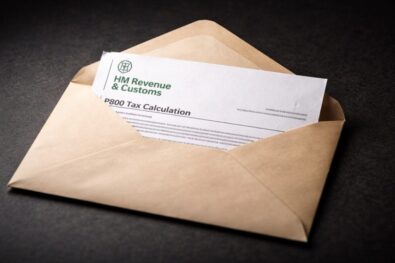
Pensioners who are taxed through PAYE or who receive a P800 tax calculation should check whether the State Pension figure used by HMRC looks too high. If they believe the figure is incorrect, they should contact HMRC through official channels and ask for the calculation to be reviewed. They should keep any tax calculation letters, pension statements and correspondence in case HMRC needs evidence.
What should pensioners check after the HMRC pensioner tax error?
Which figures matter most?
Pensioners should compare the State Pension figure used by HMRC with the amount that should apply for the tax year. The key point is whether the calculation uses 52 weeks at the new rate, or the more accurate split of one week at the old rate and 51 weeks at the new rate. They should also check whether the difference changed the tax they actually paid, because the error only creates a refund issue if it led to an overpayment.
What documents should pensioners keep?
Pensioners should keep their tax calculation, State Pension payment information, PAYE coding notices, P800 letters and any Self Assessment records. These documents can help show whether the State Pension figure was overstated. They may also be useful if HMRC later asks pensioners to make a manual correction or submit a refund claim.
What happens next with the HMRC pensioner income tax error
What has HMRC said
HMRC has apologised to those affected by the calculation error and says it is working to fix the issue. The department has described the financial impact as small in most cases, with the difference in tax owed around £5 for many people. The unresolved question is whether HMRC will automatically correct past overpayments or whether many pensioners will need to contact HMRC and request a correction themselves.
What remains unclear
The main unresolved issues are the final number of affected pensioners, the total amount overpaid, whether the error applies only to one tax year or more than one year, and how refunds will be handled. Until HMRC gives a full update, pensioners who pay tax on their State Pension should check their tax calculation carefully. The safest step is to verify the State Pension figure first, then contact HMRC only if the figure appears to have increased the tax bill.
Read about the life of Westminster and Pimlico district, London and the world. 24/7 news with fresh and useful updates on culture, business, technology and city life: Virgin Media down: Why are TV channels pixelated and is Virgin Media down across the UK right now