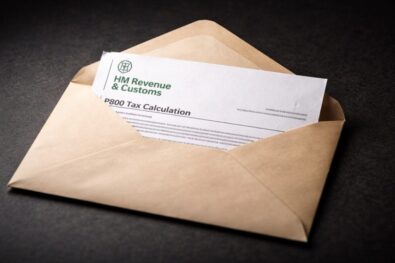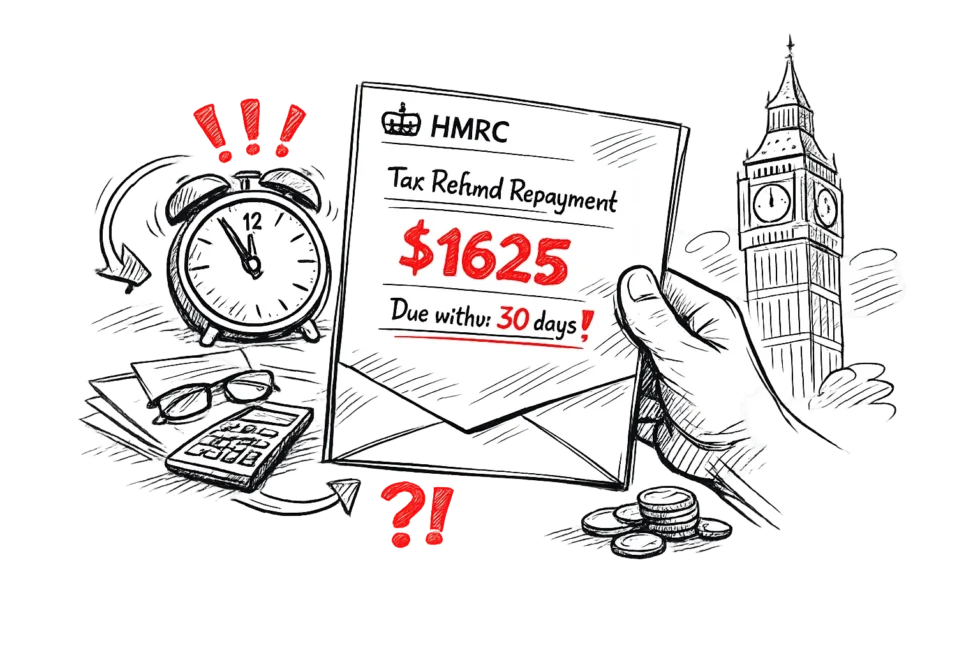
HMRC wants tax money back cases are triggering widespread concern across the United Kingdom as taxpayers report receiving unexpected repayment demands for refunds issued many years earlier. The letters, which typically allow only 30 days for response, are raising questions about administrative error, legal limits, and whether individuals are obliged to return funds already considered settled. In several documented cases, amounts exceeding £1,200–£1,600 equivalent have been requested back without prior warning, intensifying public uncertainty and financial anxiety, reports The WP Times via telegraph.
A second wave of concern has emerged after reports showed that some repayments relate to pension tax adjustments processed nearly six years earlier. Many recipients say they believed the matter had been fully resolved at the time of payment. The sudden reversal has prompted scrutiny of HMRC internal correction mechanisms, particularly where automated recalculations are involved.
HMRC Wants Tax Money Back: Why Letters Are Being Issued
HMRC wants tax money back demands often arise when the tax authority identifies what it classifies as an “error in repayment.” In many cases, these relate to pension tax adjustments or emergency tax refunds that were later recalculated under updated information.
Officials may determine that a taxpayer received funds they were not fully entitled to retain under income or pension rules. The letters are typically issued without prior negotiation, which contributes to confusion among recipients.
The case highlighted in reporting involved a pension correction payment made in 2020, followed by a repayment demand nearly six years later. According to tax specialists, such delays occur because HMRC audits can be triggered by internal reviews or third-party data corrections. These processes are not always immediate, leading to retrospective adjustments long after the original payment.
Key triggers for repayment letters:
- Pension tax recalculations after emergency tax deductions
- Data mismatches between employer and HMRC records
- Administrative correction of earlier refunds
- Classification under HMRC “error repayment” procedures
Case Study: Six-Year-Old Refund Reclaimed
In a widely reported case, HMRC issued a demand for approximately £1,625 to be returned after a pension-related tax refund had already been issued and accepted years earlier. The taxpayer had initially received the refund following a correction to a pension fund calculation error. At the time, the matter appeared fully resolved and no further action was expected.
However, HMRC later classified the repayment as incorrectly processed under internal tax correction rules. The authority stated that the refund should have been declared within a specific tax year, which had not occurred. As a result, a repayment notice was issued with a strict 30-day deadline.
“This type of repayment can arise where pension tax adjustments were not correctly allocated in the relevant tax year,” - said Charlene Young, pension specialist at AJ Bell, speaking to The Telegraph.
This case reflects broader concerns that HMRC’s retrospective adjustments can extend several years into the past, depending on the nature of the error classification.
Why HMRC Wants Tax Money Back: DRIER System Explained
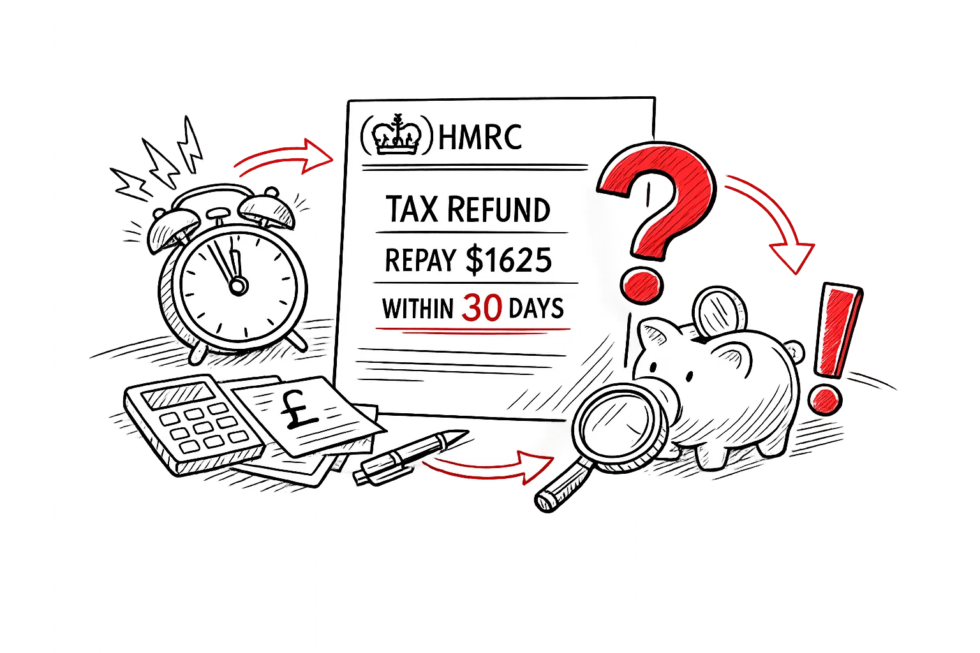
HMRC wants tax money back notifications are sometimes linked to the internal classification system known as DRIER (Duty Repaid In Error Refunded). This mechanism is used when HMRC determines that a repayment has been issued incorrectly and cannot be corrected through standard tax-year adjustments.
The DRIER system is particularly relevant in pension and lump-sum tax cases, where emergency tax rules or misreported income can distort initial calculations. Once flagged, HMRC may pursue recovery even if the original payment occurred several years earlier.
| Feature | Description |
|---|---|
| Purpose | Correct mistaken tax repayments |
| Scope | Pension, income tax, emergency tax cases |
| Timeframe | Can apply years after payment |
| Outcome | Full or partial repayment demand |
Tax advisers note that while the terminology may appear technical, its financial impact on individuals can be significant, particularly when unexpected repayment deadlines are imposed.
Response Rules: What Taxpayers Must Do
HMRC wants tax money back letters should never be ignored, according to UK tax guidance. Recipients are typically given 30 days to respond, after which interest or enforcement action may begin. The current interest rate applied to unpaid tax debts is reported at around 7.75%, increasing financial pressure if delays occur.
Before making any payment, taxpayers are advised to verify authenticity through official HMRC channels. Fraudulent letters mimicking HMRC correspondence have been reported in parallel with genuine cases, making verification essential.
Recommended actions include:
- Logging into the official HMRC online account
- Cross-checking repayment details directly with HMRC
- Reviewing pension and tax records for matching entries
- Seeking professional tax advice if discrepancies appear
Appeals and Disputes Against HMRC Decisions
HMRC wants tax money back claims may be challenged under specific conditions. If taxpayers believe the repayment request is based on incorrect data or administrative error, they can submit a formal request for review. This process requires HMRC to reassess the original decision and supporting evidence. Appeals are most commonly successful when taxpayers can demonstrate that HMRC was already informed of relevant income or pension changes. However, disputes must be filed within strict procedural timelines, and failure to respond promptly may reduce options for appeal.
Tax advisers stress that documentation is critical, including payslips, pension statements, and previous HMRC correspondence. Without these records, challenging a repayment becomes significantly more difficult.
How Far Back HMRC Wants Tax Money Back Can Go
HMRC wants tax money back enforcement is subject to statutory limitation periods, but these can extend several years depending on the nature of the error. Standard cases typically allow HMRC to revisit up to four years of tax history. If negligence is suspected, this period can extend to six years.
In cases involving offshore income or complex discrepancies, the review window may extend up to twelve years. This broad range means that older tax events are not necessarily closed permanently, particularly if new information emerges.
HMRC wants tax money back letters are becoming a growing issue for UK taxpayers due to their delayed nature, strict deadlines, and complex classification rules. While many cases are legitimate corrections of prior tax errors, the lack of prior warning often creates confusion and financial stress.
Experts consistently advise immediate verification and structured response rather than dismissal of the correspondence. In most cases, outcomes depend on documentation quality, timing, and whether HMRC procedures were correctly followed at the original point of payment.
Read about the life of Westminster and Pimlico district, London and the world. 24/7 news with fresh and useful updates on culture, business, technology and city life: Brent crude price drops as Strait of Hormuz open status confirmed during fragile ceasefire