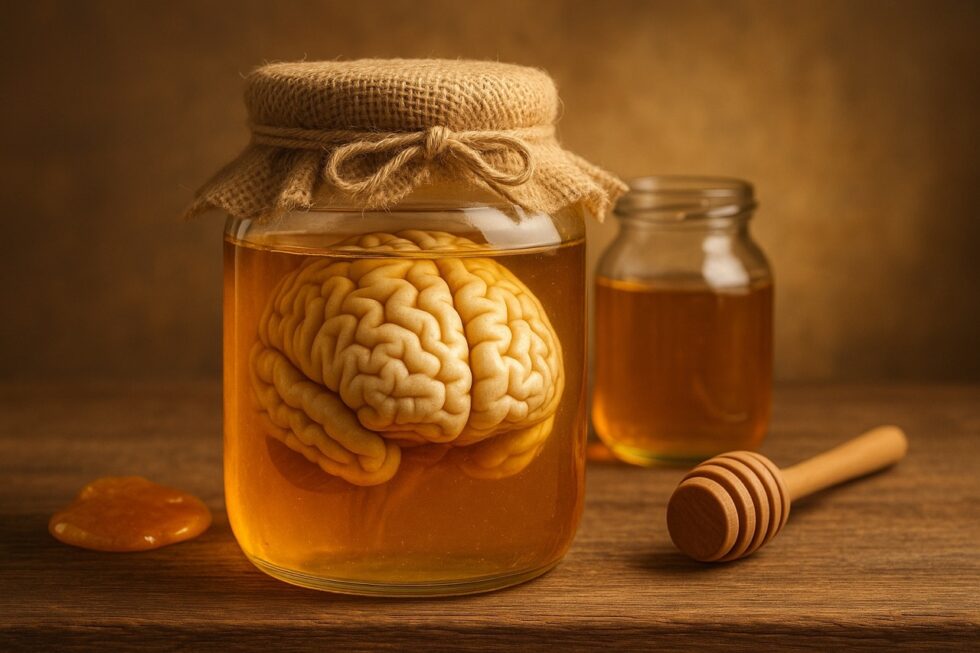
Honey has been consumed for centuries as a natural remedy, but modern research explains why it supports both memory and the nervous system. Unlike refined sugar or artificial sweeteners, honey contains not only glucose and fructose but also B vitamins, minerals such as potassium and magnesium, amino acids and antioxidants. These compounds deliver stable energy to neurons, regulate neurotransmitter production and protect the brain from oxidative stress. Scientific studies confirm that honey can improve short-term memory, reduce anxiety and support emotional stability. This positions honey as more than a sweetener – it is a functional food with measurable neurological benefits, noted by The WP Times.
Scientific Studies on Honey and the Brain
Laboratory experiments compared groups of animals fed with honey, sugar solution or no supplement at all. The honey group performed better in maze tests, showed less anxiety and adapted more quickly to new environments. By contrast, the sugar group displayed nervousness and poorer orientation, while artificial sweeteners offered no measurable improvement. Researchers concluded that honey supports hippocampal activity and improves cognitive flexibility. For humans, this translates into stronger learning ability, greater resilience under stress and improved memory retention.
Key observations:
- Honey reduces anxiety and improves orientation.
- Sugar provides only short-lived energy with side effects.
- Sweeteners show no positive impact on cognition.
- Honey increases adaptability and learning speed.
- Practical advice: one teaspoon of honey daily can already support concentration.
Nutritional Profile of Honey
Honey’s benefits derive from a complex nutritional matrix absent in sugar and sweeteners. Glucose offers immediate energy, while fructose ensures slower release, stabilising the blood sugar curve. B vitamins (B1, B2, B3, B6) are essential for neurotransmitter synthesis, directly linked to memory and mood. Minerals such as magnesium and potassium regulate electrical signals between neurons and reduce susceptibility to stress. Antioxidants – particularly flavonoids and polyphenols – protect brain cells from free radical damage, a major factor in cognitive decline.
Practical applications:
- Replace sugar in tea or coffee with one teaspoon of honey.
- Combine honey with oats or nuts for improved absorption of nutrients.
- Use raw, unprocessed honey to preserve enzymes and antioxidants.
- Avoid heating honey above 40 °C to retain active compounds.
- For children, limit intake to half a teaspoon per day.
Honey vs Sugar vs Artificial Sweeteners
The advantages of honey become clear when compared directly with sugar and sweeteners. While sugar provides only rapid, unstable energy, honey offers balanced support through its vitamin and mineral content. Sweeteners supply no nutritional value and may even disrupt gut health when consumed excessively.
Table: Comparison – Honey, Sugar, Sweeteners
| Criterion | Honey | Sugar | Sweeteners (e.g. Aspartame) |
|---|---|---|---|
| Energy supply | Balanced: glucose + fructose | Quick spikes, unstable drops | Minimal, artificial effect |
| Nutrients | B vitamins, magnesium, potassium | None | None |
| Impact on memory | Improves learning and retention | Only short-lived activation | No proven improvement |
| Emotional stability | Reduces stress, supports serotonin | Causes mood swings | Controversial, no benefit |
| Recommendation | 1–2 tbsp daily in moderation | Avoid frequent consumption | Not suitable for long-term brain health |
Honey and Memory
Research shows honey supports both short-term and long-term memory. Short-term benefits include improved spatial orientation and concentration, while long-term effects involve protection of neurons from ageing and oxidative stress. Sugar provides only fleeting boosts, often followed by reduced performance. Artificial sweeteners have no evidence of supporting memory and may harm gut bacteria, indirectly affecting mental health. For students, professionals and older adults alike, honey offers practical advantages.
Everyday examples:
- Students: take honey in herbal tea before exams.
- Professionals: add honey to a smoothie for sustained focus.
- Older adults: consume one tablespoon daily to preserve memory.
- Children: replace chocolate bars with yoghurt and honey.
- General tip: avoid sugar snacks that cause performance crashes.
Honey, Stress and Emotional Stability
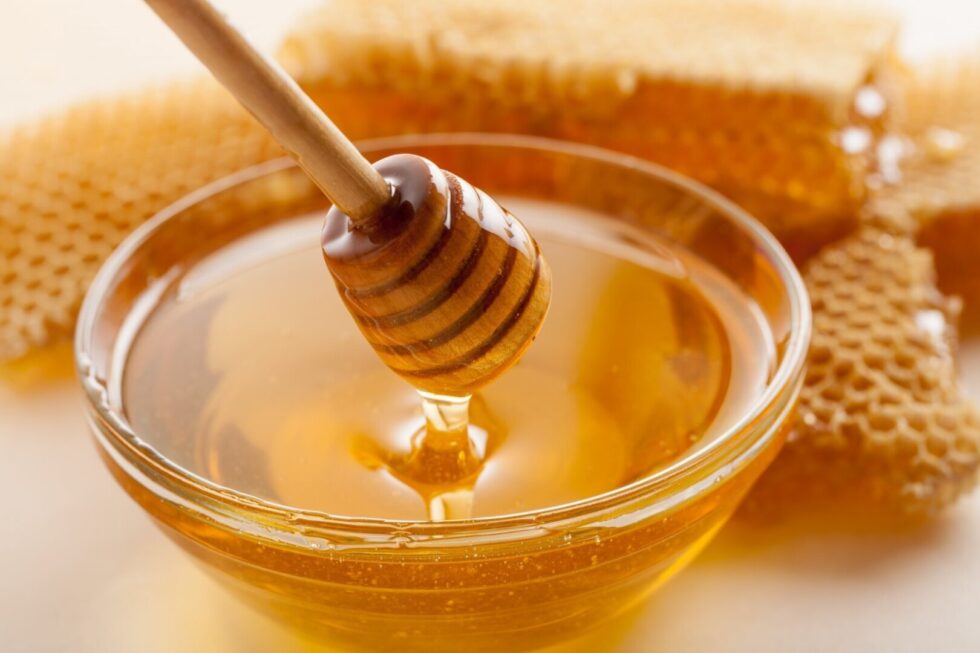
Honey plays a stabilising role in emotional balance through its regulation of neurotransmitters. It supports the production of serotonin and dopamine, which enhance mood and reduce anxiety. At the same time, studies show honey can lower cortisol levels, mitigating the effects of chronic stress. By contrast, sugar often increases irritability, while sweeteners show no benefit. Honey therefore provides both biochemical and psychological support.
Practical advice:
Honey and Sleep
Honey has a direct effect on sleep quality by supporting melatonin production through tryptophan metabolism. Its slow energy release prevents nocturnal blood sugar drops that can interrupt sleep. Sugar-rich foods in the evening, by contrast, often cause restlessness. Sweeteners show no proven effect on sleep regulation. Honey is therefore a natural aid for those suffering from insomnia or poor recovery.
Recommendations for use:
- Take one teaspoon of honey in chamomile tea 30 minutes before bed.
- Avoid sugar-containing drinks in the evening.
- Combine honey with warm milk for better sleep quality.
- For children: a small portion of honey in lukewarm water.
- Avoid sweeteners before bedtime.
Complementary Bee Products
Beyond honey, other bee products also support brain health. Propolis has strong anti-inflammatory effects and protects the brain from systemic inflammation. Royal jelly contains growth factors that stimulate the formation of new nerve cells. Pollen provides amino acids essential for neurotransmitter synthesis. Bee bread (perga) supports energy levels and counters chronic fatigue. Used together with honey, these products can enhance overall neurological resilience.
Examples of use:
- Propolis drops during periods of high stress.
- Royal jelly capsules in exam phases.
- Pollen in morning muesli for improved concentration.
- Bee bread supplementation for fatigue recovery.
- Combination therapy with honey for maximum effect.
Dosage and Limitations
The benefits of honey depend on correct dosage. Adults should consume one to two tablespoons per day, while children should not exceed one teaspoon. Honey is unsuitable for infants under one year due to the risk of botulism spores. People with diabetes or allergies should consult a doctor before regular use. Heating honey above 40 °C should be avoided to preserve enzymes and antioxidants.
Do:
- Use raw, local honey.
- Take honey in the morning for concentration.
- Take a teaspoon before sleep for better rest.
- Combine with nuts or oats for added nutrition.
Avoid:
- Consuming more than 2 tablespoons daily.
- Giving honey to infants under 12 months.
- Heating honey excessively.
- Substituting honey with sugar or sweeteners.
Honey is more than a sweetener – it is a functional food with scientifically proven benefits for the brain and nervous system. Compared with sugar and sweeteners, honey provides stable energy, essential nutrients and protective antioxidants. Studies confirm that it improves memory, reduces stress and supports sleep. In moderation, honey can form part of a diet that promotes mental health and long-term cognitive performance. It bridges traditional natural medicine with modern nutritional science and remains one of nature’s most valuable products.
Read about the life of Westminster and Pimlico district, London and the world. 24/7 news with fresh and useful updates on culture, business, technology and city life: Why are pubs so important in British culture: history and modern traditions