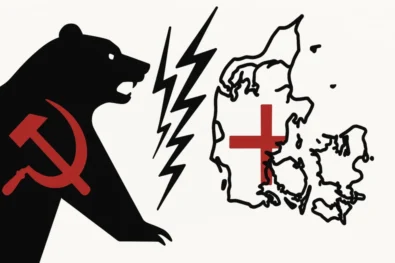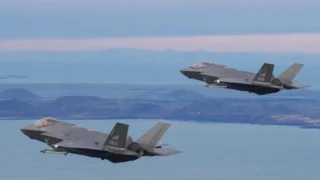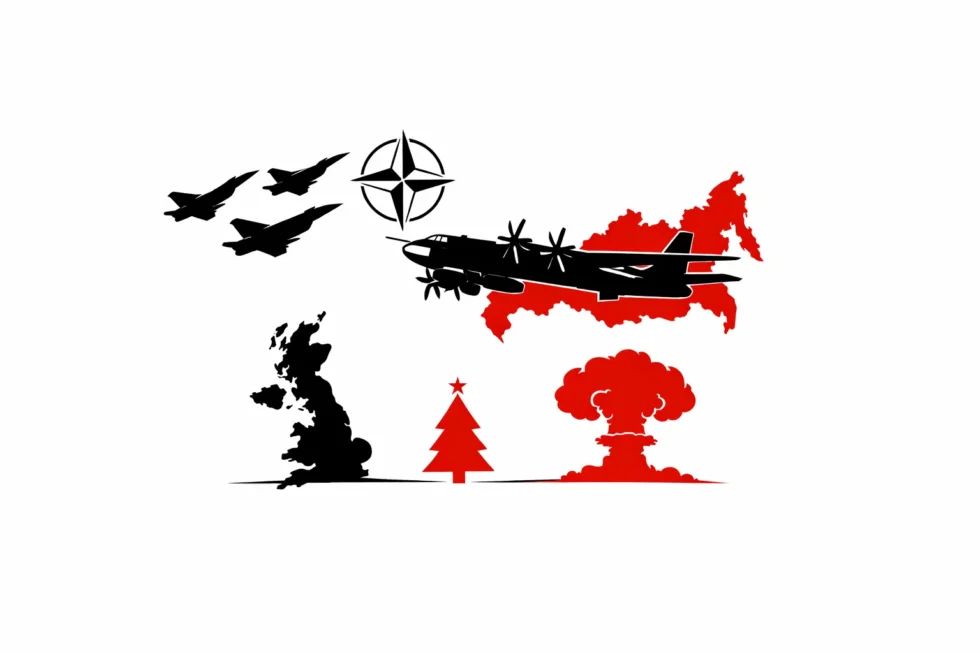
NATO warplanes were scrambled on Christmas Day after Russia dispatched Tu-95MS strategic nuclear-capable bombers on a long-range mission over the Norwegian Sea, close to northern Britain. The aircraft were tracked and intercepted by allied fighters as they approached one of the most sensitive air-policing corridors in Europe. The flights took place on 25 December 2025, during a period of heightened military activity linked to Russia’s air campaign against Ukraine. This is reported by The WP Times, citing thesun.co.uk.
Russia’s defence ministry confirmed the mission in a statement, saying:
“Tu-95MS long-range bombers of the Russian Aerospace Forces made a scheduled flight in the airspace over the neutral waters of the Barents Sea and the Norwegian Sea. The flight duration was more than seven hours.”
Moscow added that,
“At certain stages of the route, long-range bombers were escorted by fighter jets of foreign countries,”
without naming which NATO air forces carried out the intercepts.
What flew and where
The Tu-95MS, known in NATO as the “Bear”, is a propeller-driven strategic bomber first introduced in the 1950s and still forming part of Russia’s nuclear triad. The Norwegian Sea lies north-east of Scotland, between Norway and Iceland, and is routinely monitored by UK and NATO air-defence networks because it is a gateway to the North Atlantic and the British Isles.
Open-source flight tracking and allied air-policing protocols indicate that when Russian long-range bombers enter this zone, Quick Reaction Alert (QRA) aircraft from NATO members — typically including the UK, Norway and the US— are launched to visually identify, shadow and ensure the aircraft do not enter sovereign airspace.
Link to the wider air war
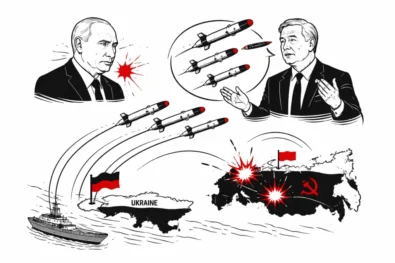
The Christmas-day flight occurred against the backdrop of Russia’s largest aerial campaign of the month against Ukraine. According to Ukrainian and NATO-linked briefings cited by allied media, the same Tu-95MS and Tu-160 bomber fleets have been used to launch long-range cruise-missile strikes on energy and civilian infrastructure.
A NATO-state response was also confirmed in Poland earlier in the week. Warsaw’s Operational Command said:
“Due to the activity of long-range Russian air forces carrying out strikes on Ukrainian territory, military aviation has begun operating in Polish airspace. The necessary forces and resources have been activated.”
Ukrainian air-defence tallies released on Christmas Day reported hundreds of drones and dozens of cruise missilesintercepted during a multi-wave attack that included launches from strategic bombers operating far from the battlefield.
Why NATO reacts to Tu-95 flights
The Tu-95MS is capable of carrying nuclear-armed and conventional cruise missiles, which is why its movement near NATO borders triggers immediate air-policing responses. Although Russia says such flights are “scheduled”, NATO treats them as operationally significant because they test reaction times, radar coverage and command-and-control links across allied airspace.
The aircraft are also among the loudest strategic bombers in the world, making them easy to track but symbolically potent when flown close to the UK, Norway and Iceland — especially during periods of geopolitical tension.
What has been officially confirmed
- Russia: acknowledged a seven-hour Tu-95MS mission over the Barents and Norwegian seas and said the bombers were escorted by foreign fighters.
- NATO members: did not dispute the intercepts, which are standard procedure when Russian strategic aircraft approach allied airspace.
- Regional context: the flight coincided with major Russian missile and drone strikes on Ukraine, some launched from the same bomber fleet.
No airspace violations were reported, and no weapons were released during the Christmas-day sortie. The episode was an air-policing encounter, but one involving nuclear-capable platforms operating close to the UK’s northern approaches.
Read about the life of Westminster and Pimlico district, London and the world. 24/7 news with fresh and useful updates on culture, business, technology and city life: Royal Mail confirms delivery delays across 28 UK postcode areas, including London, as Christmas pressure peaks