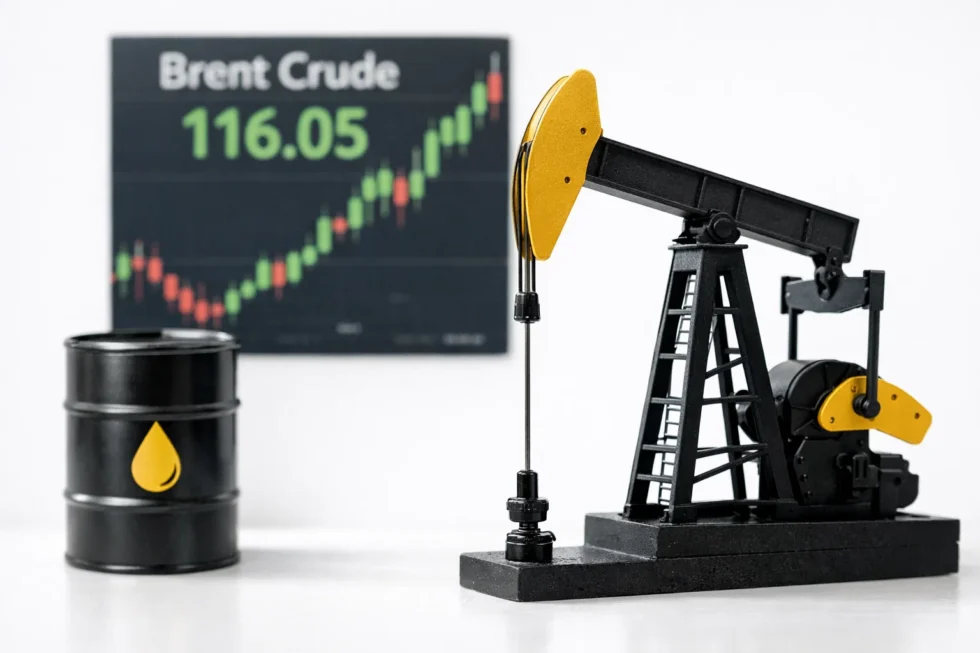
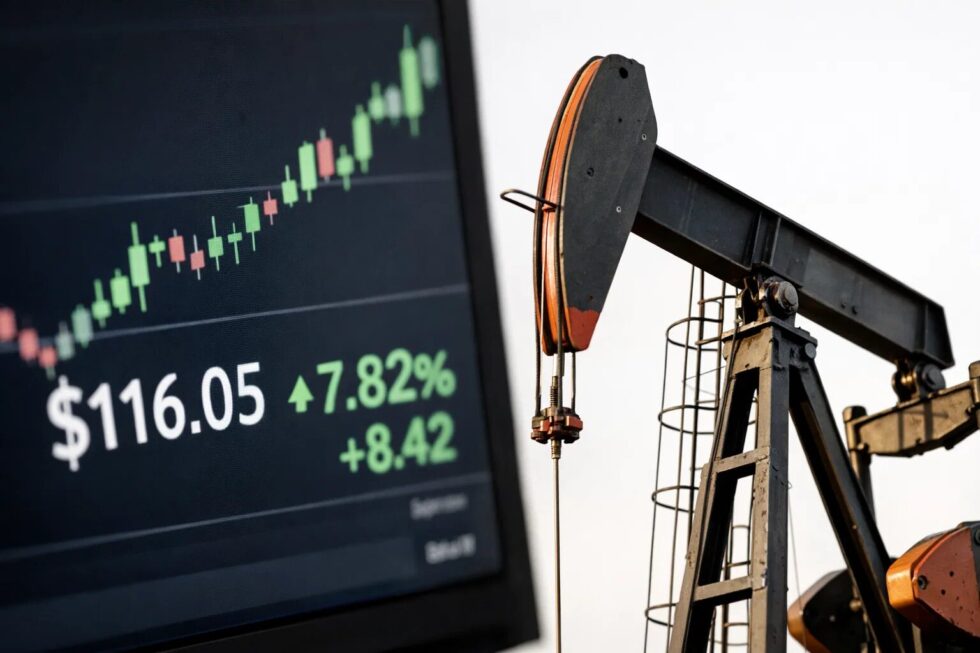
The global energy market is currently witnessing a historic destabilization as Brent crude surged to $116.05 a barrel on March 30, 2026. This trajectory puts the global oil benchmark on track for a record monthly increase of nearly 60%, surpassing gains made during the 1990 Gulf War. The rally is driven by a rapid escalation in the Middle East, specifically following U.S. President Donald Trump’s statements regarding the seizure of Iranian energy assets and the entry of Yemen’s Houthi rebels into the conflict with direct strikes on Israel. For the global economy, this surge has already pushed UK petrol prices to a 28-month high and triggered a sharp jump in German inflation, according to analysis by The WP Times via
Military Escalation and the Threat to Iranian Infrastructure
The surge in crude prices is a direct response to the expanding kinetic conflict between the U.S.-Israel alliance and Iran. Over the weekend of March 28-29, 2026, Iran-backed Houthi rebels launched their first attacks on Israel since the joint U.S.-Israeli strikes on Tehran began on February 28. In a statement on Truth Social, Donald Trump threatened to "obliterate" Iran’s strategically crucial Kharg Island, as well as electric generating plants and desalinization facilities, if a deal is not reached shortly.
"We will conclude our lovely 'stay' in Iran by blowing up and completely obliterating all of their Electric Generating Plants, Oil Wells and Kharg Island... which we have purposefully not yet 'touched'." — Donald Trump
Strategic Control of the Strait of Hormuz
A critical component of the current crisis is the blockade of the Strait of Hormuz. U.S. Treasury Secretary Scott Bessent has indicated a shift in naval strategy to restore global supply lines. The U.S. aims to address a global oil deficit currently estimated at 10 million to 12 million barrels a day.
"Over time, the US is going to retake control of the strait, and there will be freedom of navigation — whether it is through US escorts or a multinational escort." — Scott Bessent, US Treasury Secretary
| Category | Value / Status (March 2026) | Source |
| Brent Crude Price | $116.05 (Up 59% in March) | ICE Data |
| WTI Crude Price | $101.60 | NYMEX |
| Global Oil Deficit | 10M - 12M barrels/day | US Treasury |
| IEA Strategic Release | 4M barrels/day | IEA |
| UK Petrol Price | 152p per litre (28-month high) | RAC |
| UK Diesel Price | 181.2p per litre | RAC |
Macroeconomic Impact: Inflation and Interest Rate Forecasts
The "first inflation wave" of 2026 is officially underway, with Germany's harmonized inflation measure jumping to 2.8% in March. Energy prices in Europe's largest economy rose 7.2% year-on-year, marking the first significant spike since 2023. Analysts warn that if gasoline prices remain at current levels, the loss in consumer purchasing power will exceed that of the 2022 energy crisis.
The Bank of England’s Monetary Response
Financial markets are currently pricing in at least two to three interest rate increases by the Bank of England this year. This would push borrowing costs from 3.75% to 4.5%. However, some economists point to the M4 money supply—the broadest measure of money circulating in the economy—as a sign that inflationary pressures may eventually cool.
"M4... is the defining signal that inflationary pressures are gaining a head of steam... [but] the current rate points to CPI inflation being around 2-3% in 18 months’ time." — Paul Dales, Capital Economics
- Risk for Consumers: The RAC reports that filling a typical family petrol car now costs £10.55 more than at the start of the Iran conflict.
- Industrial Impact: Aluminium prices have hit four-year highs following Iranian attacks on Middle East smelters, disrupting global manufacturing.
- Fiscal Headroom: The war in Iran is reportedly "eroding the chancellor’s headroom" in the UK, exposing the nation's economic fragility ahead of the Easter holiday.
The current volatility necessitates a defensive posture in financial planning. With global government bonds suffering their biggest monthly losses in over a year, capital is shifting toward "hard" commodities and energy-sector equities.
- Energy Hedging: Logistics firms should brace for petrol and diesel prices to remain at 2022-equivalent highs.
- Monitor the Strait: Any move by the U.S. to "escort" tankers through Hormuz will likely cause temporary price spikes before potential stabilization.
- Inflation Expectations: Businesses should prepare for higher borrowing costs starting as early as next month, as the Bank of England reacts to headline CPI reaching 4% or 5%.
Read about the life of Westminster and Pimlico district, London and the world. 24/7 news with fresh and useful updates on culture, business, technology and city life: UK inflation falls to 3% in January 2026 as Bank of England rate cut expectations surge