Heineken’s decision to rebrand parts of the London Underground’s Bakerloo line as “Bakerl0.0” during Dry January has triggered criticism from disability rights groups, who warn the campaign could confuse passengers and weaken accessibility across London’s transport network, The WP Times reports, citing Heineken and Transport for London (TfL).
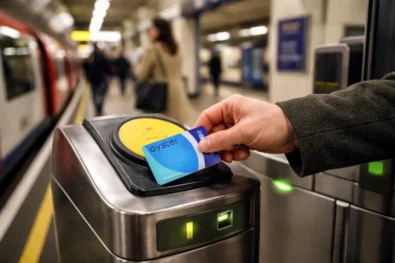
As part of the promotion for its zero-alcohol “0.0” range during Dry January, the Dutch brewing group has partnered with Transport for London to alter the appearance of Bakerloo line signage. At stations across central London, the familiar yellow-brown line name has been adapted to read “Bakerl0.0”, with the letter “o” replaced by the number zero. Similar branding has also appeared on signs such as “Waterl0.0” and “Oxf0.0rd Street”.
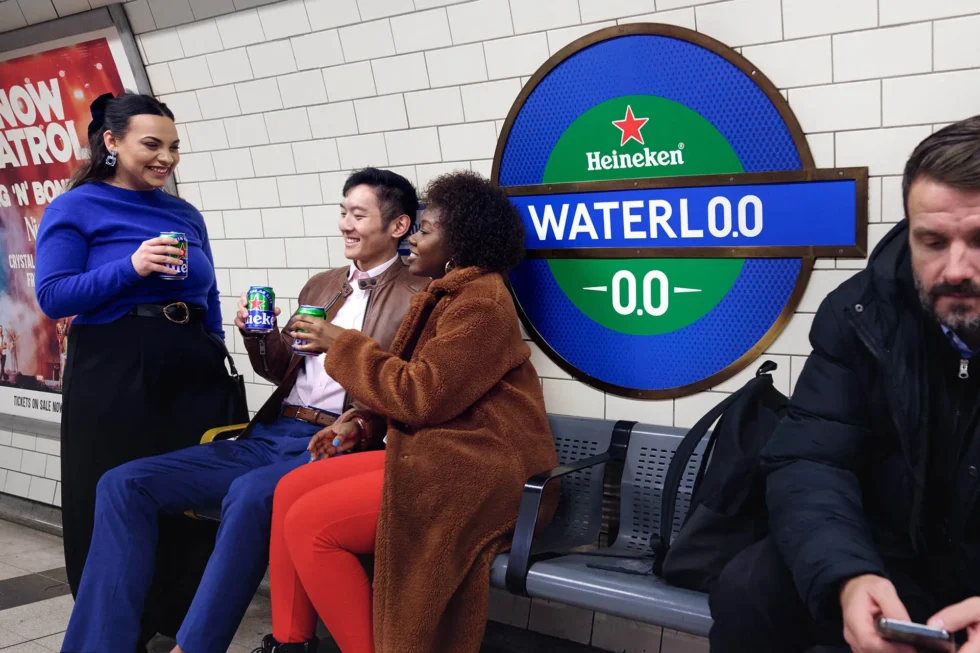
TfL says the campaign is one of several commercial partnerships designed to raise revenue for the transport network at a time of continued financial pressure. Advertising deals, the organisation argues, help fund improvements to services and infrastructure without increasing fares. But campaigners say altering wayfinding and line names crosses a line.
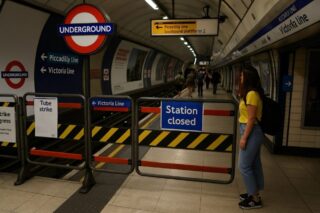
Transport for All, a London-based disability rights charity, warned that even small changes to signage can make journeys more difficult for people who rely on visual consistency to travel safely and confidently.
Emma Vogelmann, the organisation’s head of policy, said many passengers — including people with visual impairments, learning disabilities, neurodivergent conditions, fatigue or cognitive difficulties — depend on stable, instantly recognisable information when navigating the Tube.
“For someone who already finds travel challenging, changing the way core information looks can turn an ordinary journey into something stressful or even unsafe,” she said.
The charity argues that while the Underground offers huge amounts of advertising space, essential navigational information should not be part of marketing campaigns.
Heineken, which has invested heavily in alcohol-free products in recent years, said the partnership was intended to support Londoners who are choosing not to drink alcohol in January, while still wanting to go out and socialise. The company said the campaign was designed to be subtle and playful, rather than disruptive. TfL echoed that view, saying all advertising partnerships are assessed before approval.
Emma Strain, TfL’s head of customer experience, said the transport authority was “keen to work with brands to create new experiences for customers” and that campaigns are carefully reviewed to ensure they do not interfere with services, staff or passenger safety.
This is not the first time TfL has allowed brands to temporarily rename or redesign parts of the network. In 2024, fashion house Burberry paid £500,000 to rebrand Bond Street and Old Street stations as part of a promotional campaign, a move that also drew criticism from accessibility groups.
While TfL says such deals generate valuable income, disability advocates argue they expose a deeper tension between commercialisation and public service.
“The Tube is not just a billboard — it’s a lifeline,” Ms Vogelmann said. “When you start changing the way it communicates, the people most affected are those who already face the biggest barriers to getting around.” As Dry January continues and the “Bakerl0.0” branding remains in place, the debate has reopened wider questions about how far public transport networks should go in turning essential infrastructure into advertising space — and who bears the cost when clarity is replaced by clever marketing.
Read about the life of Westminster and Pimlico district, London and the world. 24/7 news with fresh and useful updates on culture, business, technology and city life: Annual UK Events Taking Place in Westminster: What Attracts Millions.
(Image credit: Heineken)