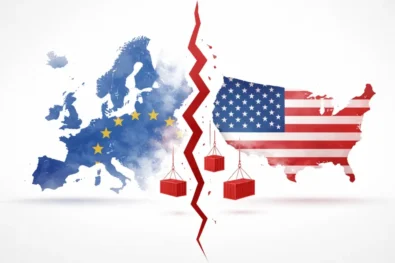
The long-running dispute between Washington and Brussels over Europe’s digital rulebook has entered a new and far more confrontational phase. For the first time, the United States has publicly named major European corporations while warning that continued enforcement of EU digital laws could trigger retaliatory measures against EU-based firms operating in the American market. The move marks a clear escalation in transatlantic tensions, shifting the conflict from abstract regulatory criticism to direct political pressure on individual companies. As reported by The WP Times, citing official statements from the Office of the US Trade Representative and reporting by The Wall Street Journal.
US accusations: discrimination against American tech and services
In a public statement posted on X, the Office of the United States Trade Representative, led by Jamieson Greer, accused the European Union and several of its member states of systematically disadvantaging American companies through the enforcement of the Digital Services Act (DSA) and the Digital Markets Act (DMA). While US officials have raised such concerns before, the latest message went significantly further by explicitly naming European companies including Spotify, DHL, SAP and Siemens, as well as Accenture, Amadeus, Capgemini and Publicis.
According to the US administration, these firms currently benefit from “free and unhindered access” to the US market and American consumers — access that Washington now suggests could be reassessed. The statement warned that if the EU continues what the US describes as efforts to limit the competitiveness of American service providers, the United States would be prepared to use “all available tools” in response. These measures could include new fees, regulatory barriers or restrictions on foreign digital services. US officials also cautioned that other countries adopting EU-style digital regulations could face similar consequences.
EU response and the wider transatlantic fallout
European institutions have firmly rejected the accusation of discrimination. A spokesperson for the European Commission told The Wall Street Journal that the DSA and DMA apply equally to all companies operating within the EU, regardless of nationality, and are designed to ensure fair competition, consumer protection and accountability in digital markets. From Brussels’ perspective, the legislation targets market behaviour — not national origin.
The dispute reflects a deeper clash between European and American regulatory philosophies. While the EU prioritises strict oversight of large digital platforms, the US increasingly frames such rules as economic instruments that distort competition and disproportionately affect American firms. Until recently, Washington sought concessions through trade negotiations, including discussions around steel and aluminium tariffs. The decision to publicly name European companies represents a more aggressive strategy and significantly raises the stakes for businesses on both sides of the Atlantic.
German Economic Affairs Minister Katherina Reiche (CDU) has already raised concerns about the impact of the DSA and DMA in talks with US Commerce Secretary Howard Lutnick, calling for greater flexibility. However, the latest US warning suggests that political pressure — rather than compromise — may now define the next stage of the conflict.
Read about the life of Westminster and Pimlico district, London and the world. 24/7 news with fresh and useful updates on culture, business, technology and city life: What changes in the UK Settlement and ILR reform, and why the 10-year rule matters