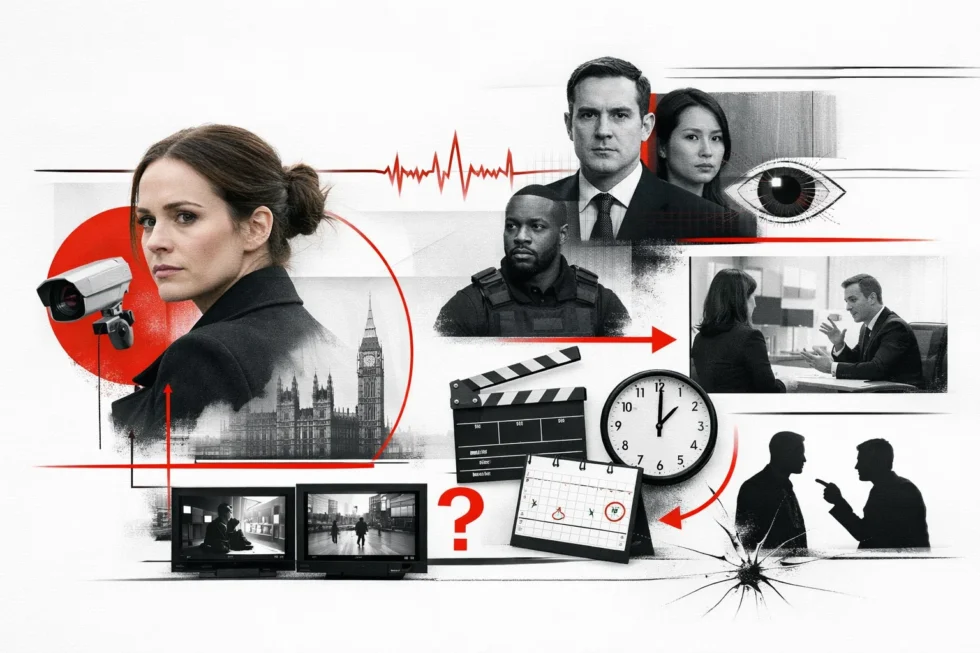
The Capture season 4 remains unconfirmed after the third-season finale aired on 12 April 2026 across BBC platforms, leaving the future of the surveillance thriller unresolved despite a storyline that largely concludes its central arc. The episode brings Rachel Carey’s investigation into the deepfake system known as “Correction” to a close, while introducing a final visual inconsistency that suggests potential continuation rather than definitive closure, citing Radio Times, The WP Timesreports.
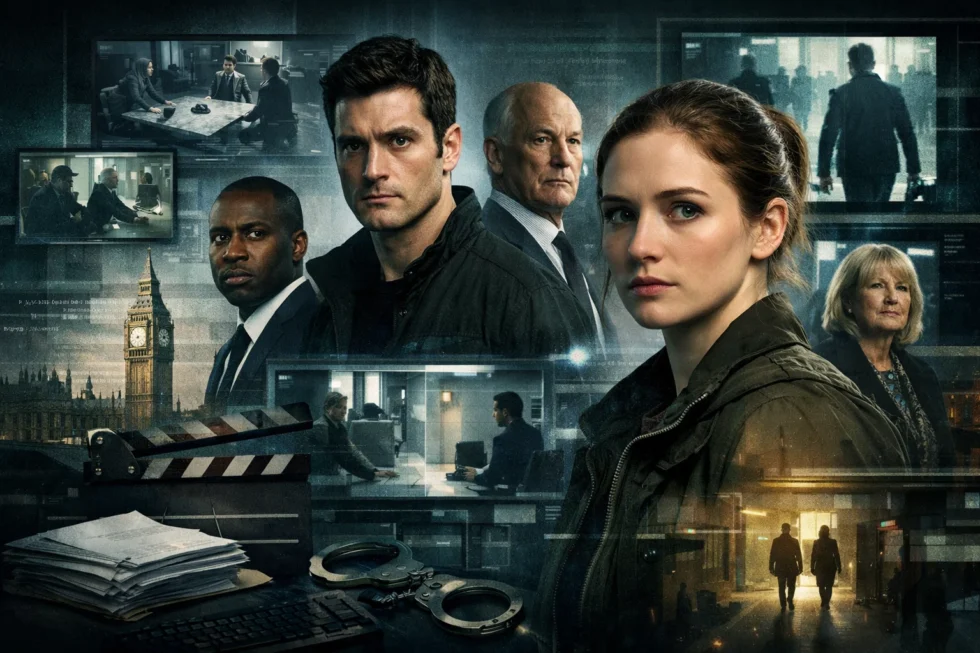
The series, led by Holliday Grainger as Rachel Carey, has historically operated on extended production cycles, with a three-year gap between the first and second seasons and a further four-year interval before the third. This pattern reflects not only production realities but also the show’s structural reliance on evolving technological narratives, positioning any future instalment as dependent on both creative direction and real-world developments in surveillance and artificial intelligence.
At present, there is no formal confirmation that The Capture has been renewed for a fourth season by the BBC. The absence of an announcement places the series in a state of strategic uncertainty rather than active continuation. Statements from creator Ben Chanan indicate that the third season was initially conceived as a potential endpoint, though this position has since softened, with the writer acknowledging that the story’s finality remains open. This ambiguity reflects a broader structural constraint. The Capture operates not as speculative fiction in isolation but as a narrative grounded in real-world developments, including AI surveillance, deepfake manipulation and state-level information control. As a result, any continuation depends on the emergence of new technological realities capable of sustaining its central premise without losing plausibility.
The third-season finale resolves the primary conflict between Rachel Carey and E-Squadron but does so without dismantling the system at the heart of the narrative. Carey ultimately assumes the role of Commander of Counter Terror, marking a significant institutional ascent, yet this progression is framed as a compromise rather than a victory. The surveillance infrastructure she sought to challenge remains operational, reinforcing the series’ central theme of systemic permanence.
A final sequence introduces a destabilising visual detail involving Gemma Garland, whose presence within a digital image appears to shift or disappear. The moment remains unexplained, suggesting either advanced technological interference or a subjective distortion of perception. This ambiguity functions as the clearest narrative opening for a potential fourth season, providing a thread that could extend the story beyond its apparent conclusion.
Any continuation would likely face a prolonged development timeline. Previous release patterns indicate a three-year gap between seasons one and two and a further four years before the third, positioning The Capture outside the standard production rhythm of UK television drama. Based on this trajectory, a fourth season, if commissioned, would not be expected before 2029 or 2030, though such projections remain speculative. A key factor influencing this timeline is the creative approach outlined by Ben Chanan, who has indicated the need to “wait for reality” — a reference to the evolving nature of surveillance technologies and digital manipulation. This approach aligns the series with contemporary developments rather than predictive fiction, reinforcing its relevance while simultaneously limiting the speed of production.
The cast structure has also shifted significantly following the events of season three, with multiple central characters written out. Any future season would therefore operate with a more concentrated ensemble, likely centred on Rachel Carey alongside a reduced group of returning figures. This structural change suggests a move towards a more focused narrative built around institutional power dynamics rather than a broader investigative framework.
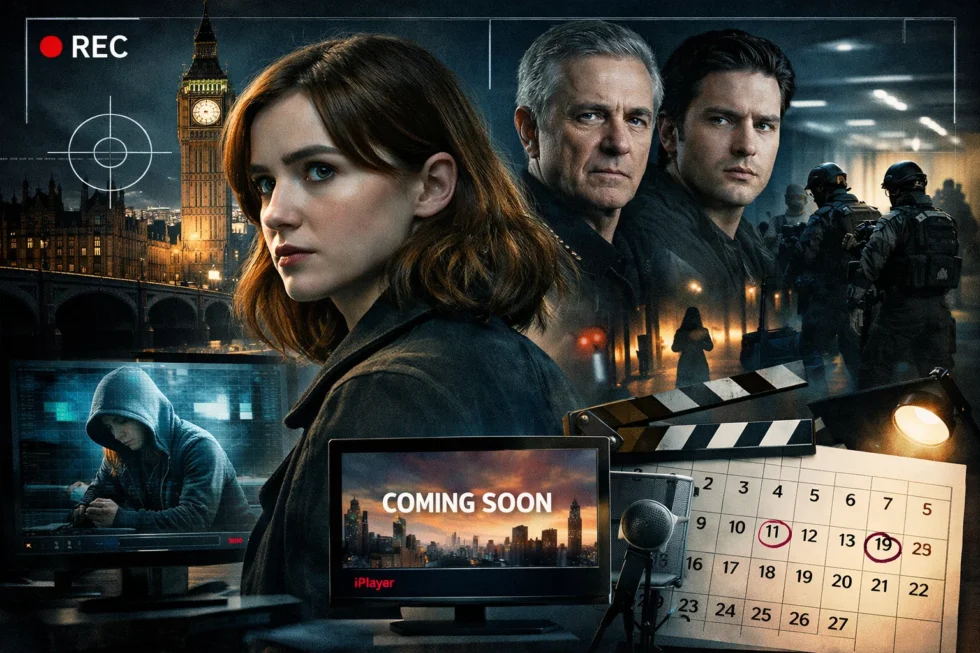
Unlike conventional crime dramas, The Capture is defined by its integration of real-world technological discourse. Its core themes — deepfake manipulation, surveillance infrastructure and intelligence operations — continue to evolve alongside global developments. This dependency explains both the extended gaps between seasons and the uncertainty surrounding continuation, as new narrative material must emerge from credible external conditions.
At this stage, the series remains in a transitional position between conclusion and continuation. The narrative is structurally complete but not definitively closed, with its final moments deliberately preserving ambiguity. For audiences, this creates a dual reality: the story can be read as an ending, yet remains open to further expansion. Until an official commissioning decision is made by the BBC, The Capture season 4 remains an unconfirmed prospect, shaped as much by developments beyond the screen as by the internal logic of its story.
Read about the life of Westminster and Pimlico district, London and the world. 24/7 news with fresh and useful updates on culture, business, technology and city life: Euphoria season 3: What do first reviews reveal about HBO’s returning drama and why does it feel like a different show