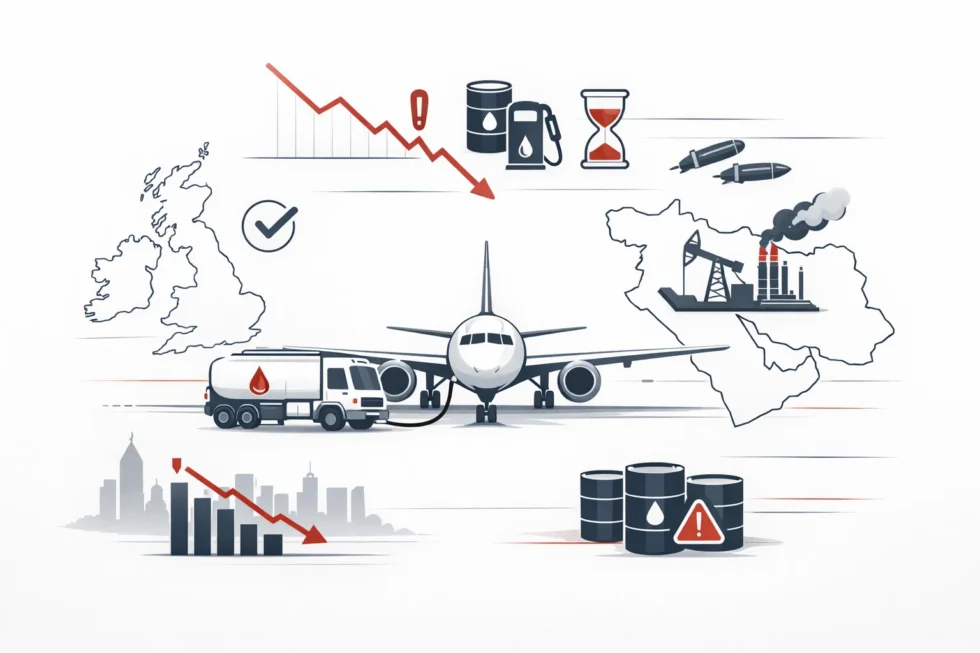
Jet2 fuel shortage concerns are under close monitoring as the UK government confirmed on Thursday, 16 April 2026, at the end of IMF meetings in Washington that there is no immediate disruption to jet fuel, petrol or diesel supplies, while airlines operating across the UK continue normal schedules despite warnings that aviation fuel reserves in Europe could tighten within weeks amid ongoing pressure on global energy markets linked to Middle East tensions, The WP Times reports, citing BBC News. The UK’s position remains defined by supply stability and operational continuity, with Chancellor Rachel Reeves stating there are “no issues with supply at the moment” (Reeves, BBC, Washington), while aviation groups report that airlines including Jet2, easyJet and Ryanair retain confirmed fuel visibility into mid-May, supported by diversified sourcing and existing logistics infrastructure.
The broader context reflects a divergence between UK stability and European risk projections, with the International Energy Agency indicating that continental jet fuel stocks could fall to critical levels within approximately six weeks if supply routes remain constrained, particularly through strategically sensitive corridors such as the Strait of Hormuz. Fatih Birol warned that “flights will be cancelled as the largest energy crisis we have ever faced continues” (Birol, via AP), while IATA signalled that operational disruption in parts of Europe could begin by late May under prolonged pressure scenarios.
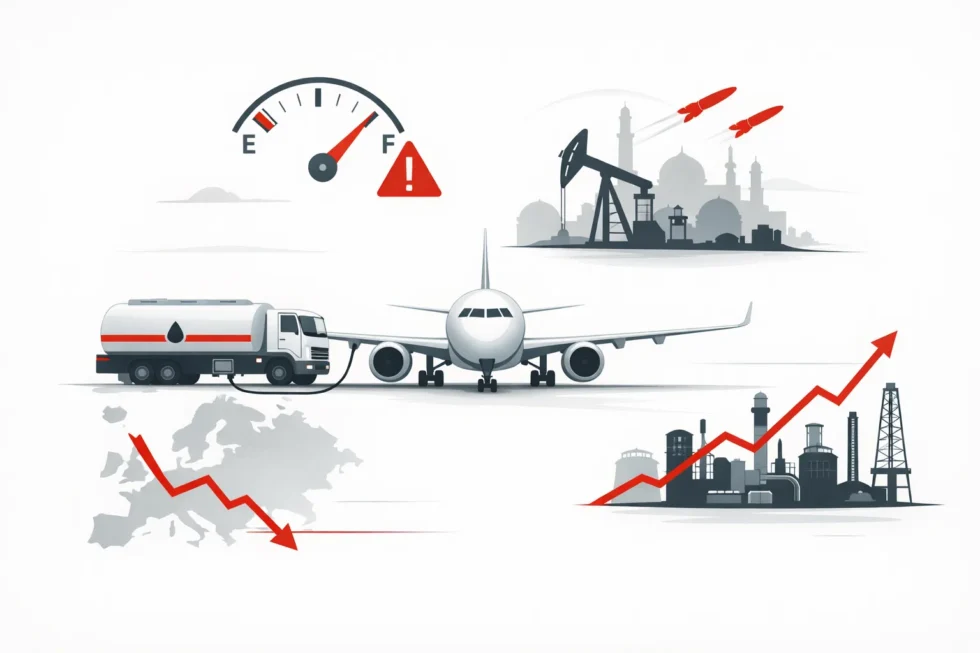
Airline-level assessments indicate no immediate shortage conditions but acknowledge a fluid environment shaped by both supply chain risk and cost escalation. easyJet confirmed it has “no concerns” with fuel availability through mid-May, Ryanair stated that supply is secure in the near term but dependent on geopolitical developments, and Wizz Air said there is “no disruption at the moment” while continuing to monitor supplier conditions. Industry coordination with government remains ongoing, with a focus on maintaining continuity rather than activating emergency measures.
| Indicator | Current status |
|---|---|
| UK jet fuel supply | Stable |
| airline fuel visibility | To mid-May |
| Europe reserves estimate | Around six weeks |
| disruption in UK | None reported |
| risk factor | Middle East supply routes |
The UK’s exposure is shaped not only by supply flows but by pricing structures, with gas continuing to influence electricity costs across the energy system. Reeves highlighted the structural issue, stating “we do need to delink gas and electricity prices… electricity prices are based off the gas price” (Reeves, BBC), underscoring how global energy volatility transmits into domestic markets even in the absence of physical shortages.
Operational impacts observed so far have been driven more by cost pressures than supply failure, with some European carriers reducing marginal routes due to rising kerosene prices rather than lack of fuel. Airlines have outlined contingency planning frameworks that include potential schedule adjustments, prioritisation of fuel-efficient aircraft and coordination on alternative supply arrangements, though no such measures have been implemented in the UK context. The UK government and aviation sector continue to frame the situation as one of monitoring rather than disruption, with no confirmed jet2 fuel shortage affecting flights, and no indication of immediate constraints on passenger operations as of the latest assessments.
Read about the life of Westminster and Pimlico district, London and the world. 24/7 news with fresh and useful updates on culture, business, technology and city life: What is happening in the british gas energy bill update as 4.7 million homes in England face severe energy hardship in 2026