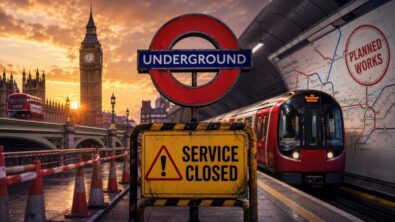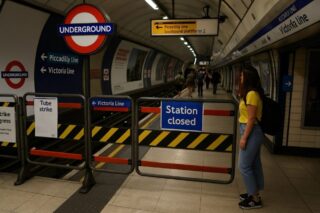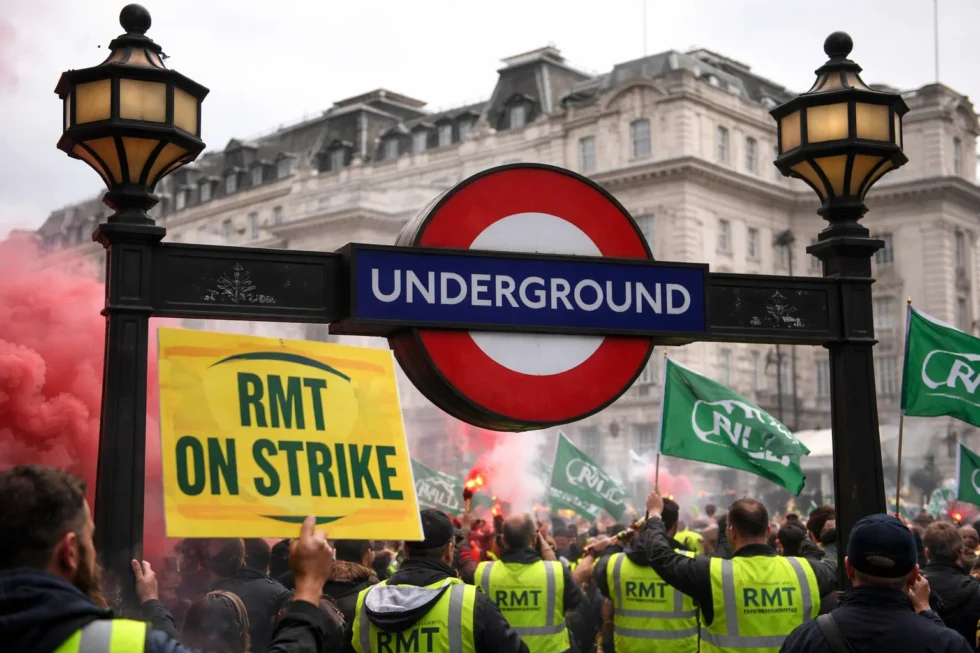
The TfL tube strikes scheduled for this week are set to significantly disrupt London’s transport network as industrial action by Underground drivers escalates into a coordinated series of stoppages affecting multiple lines and commuter corridors across the capital. The Rail, Maritime and Transport union (RMT) has confirmed two separate 24-hour strike windows beginning Tuesday 21 April 2026, in opposition to proposed changes to working patterns linked to a four-day roster system, while Transport for London (TfL) maintains that the reforms are operationally necessary and cost-neutral. Services are expected to be heavily reduced across peak travel periods, with knock-on effects lasting up to four days, and no last-minute negotiations scheduled as of Monday, according to union officials and TfL briefings, reports The WP Times via theguardian.
The industrial action highlights a widening dispute between TfL management and transport unions over scheduling, staffing flexibility, and working conditions on the Underground network. While the RMT has mobilised a significant portion of its driver membership, rival union Aslef continues to support the proposed voluntary four-day working arrangement, creating division among train operators.
TfL argues that the changes would align Underground working patterns with other UK rail operators and improve reliability without reducing contractual hours. Commuters are now preparing for major delays, partial line closures, and severe congestion across alternative routes as London braces for sustained disruption.
What is driving the TfL tube strikes? (industrial dispute explained)
The core dispute centres on proposed changes to driver schedules, particularly the introduction of a voluntary four-day working week structure. TfL argues the reform improves operational flexibility and aligns with national rail standards, while RMT claims the changes are being imposed without sufficient safeguards for staff conditions. The union has also previously demanded shorter working hours, although this latest action reflects opposition to the current implementation model rather than a complete rejection of restructuring.
In contrast, Aslef has publicly supported the voluntary system, arguing it offers improved work-life balance without compulsory reductions in pay or contractual rights. This divergence between unions has complicated negotiations and reduced the likelihood of a unified settlement in the short term.
Key positions in the dispute:
- RMT: Opposes implementation structure, cites unresolved working condition concerns
- TfL: Supports voluntary rollout, denies job or pay cuts
- Aslef: Supports flexible four-day system
- Core issue: scheduling reform vs. operational control
Strike timetable and expected disruption
The strike action is structured around two 24-hour stoppages designed to maximise network disruption across peak and off-peak periods. TfL has warned of rolling cancellations, early shutdowns, and delayed morning start-ups across multiple lines.
| Date | Time | Expected impact |
|---|---|---|
| Tuesday 21 April | From 12:00 | Severe reduction; many lines stop after 20:00 |
| Wednesday 22 April | Morning | Services likely delayed until ~07:30 |
| Thursday 23 April | From 12:00 | Second 24-hour strike begins |
| Friday 24 April | Morning | Reduced start-up; continued disruption |
Some lines with stronger RMT representation are expected to face complete suspension during strike windows. These include the Piccadilly line, Waterloo & City line, and Circle line, while sections of the Metropolitan line and Central line may operate only partially or not at all.

Disruption will not be uniform across the network, with certain corridors expected to experience near-total shutdowns depending on staffing availability.
Lines likely heavily disrupted or suspended:
- Piccadilly line (expected non-operation during strike periods)
- Waterloo & City line (full suspension expected)
- Circle line (high probability of closure)
- Metropolitan line (partial closure: Baker Street–Aldgate section affected)
- Central line (reduced or suspended sections between White City and Liverpool Street)
The uneven impact reflects the proportion of RMT membership across different operational depots, with some routes more unionised than others.
Alternative transport options in London
While the Underground faces severe disruption, other TfL and national transport services are expected to continue operating, though under extreme pressure from displaced passengers.
Operational alternatives:
- London Overground (running normally but overcrowded)
- Elizabeth line (full service, high demand expected)
- DLR (Docklands Light Railway, operational)
- National Rail services (running, congestion expected)
- London buses (normal service but heavy delays likely)
Cycling and walking are also expected to increase significantly, particularly in central London corridors, mirroring patterns seen during previous strikes in 2025.
TfL has warned passengers that surface transport will experience severe overcrowding, especially during peak morning and evening hours. Bus routes feeding central stations are expected to reach capacity quickly, with delays caused by traffic congestion and increased passenger volumes.
During previous strike periods, bike-sharing usage increased sharply, and a similar trend is expected again if weather conditions remain favourable. Road traffic is also forecast to intensify as commuters shift away from rail infrastructure.
Union statement and TfL response
An RMT spokesperson criticised TfL’s approach, arguing that management has failed to deliver meaningful concessions during negotiations. The union maintains that the strike is necessary to protect working conditions and prevent unilateral restructuring of driver schedules.
“The approach taken by TfL does not lead to industrial stability and risks further escalation,” said RMT General Secretary Eddie Dempsey, according to union communications.
TfL, however, insists the reforms are voluntary and do not reduce pay or contract hours, stating that staff who prefer traditional schedules will not be forced to change.
Will further TfL tube strikes follow
The current action may not be isolated. RMT has indicated that further strike cycles could be scheduled in May and June 2026 if no agreement is reached. These would follow the same two-block 24-hour pattern, potentially extending disruption across multiple months.
A previously planned strike in March was suspended to allow negotiations, but talks have since stalled, with both sides accusing each other of failing to compromise.
With negotiations currently at an impasse, London’s transport network faces continued uncertainty. The TfL tube strikes highlight deeper structural tensions around working patterns in one of the world’s busiest metro systems. Unless agreement is reached, commuters should expect recurring disruption cycles extending into summer 2026, with significant operational strain on both Underground and surface transport systems.
Read about the life of Westminster and Pimlico district, London and the world. 24/7 news with fresh and useful updates on culture, business, technology and city life: Tube strikes 2026 London: RMT walkout confirmed with major TfL disruption expected