The economic debate surrounding the transition to electric mobility has reached a fever pitch in 2026. While the initial purchase price of an electric vehicle (EV) remains a primary consideration for many, the long-term "total cost of ownership" is where the most significant financial shifts are occurring. For decades, the internal combustion engine (ICE) has dominated our roads, bringing with it a complex web of maintenance requirements—from oil changes and spark plug replacements to timing belt overhauls.
However, as the global energy crisis of 2026 drives petrol prices toward unprecedented highs, the mechanical simplicity of the electric drivetrain is proving to be a powerful shield against inflation. For the modern driver, understanding the nuances of EV maintenance isn't just about being "green"; it's a strategic move to lower household expenditures in an increasingly volatile economy. As reported by The WP Times , via independent.
The Mechanical Advantage: Why EVs Have Fewer "Points of Failure"
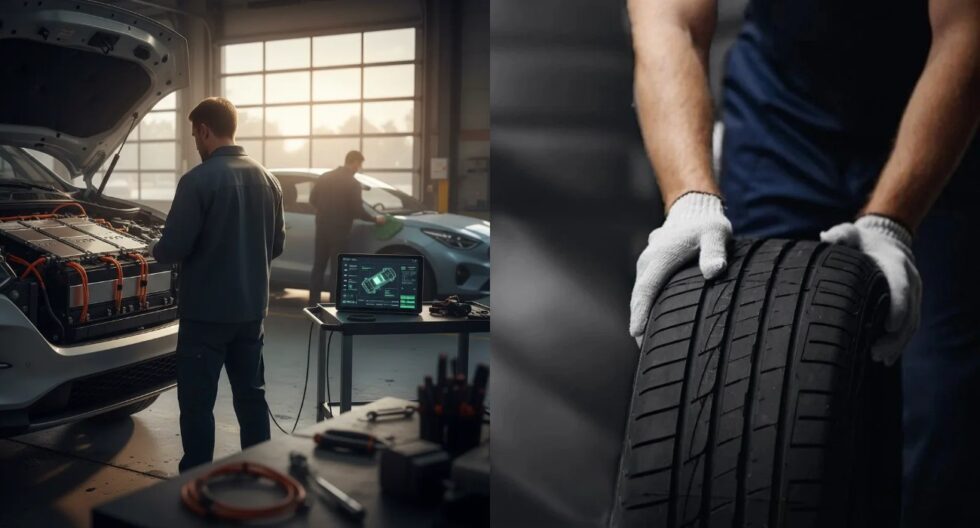
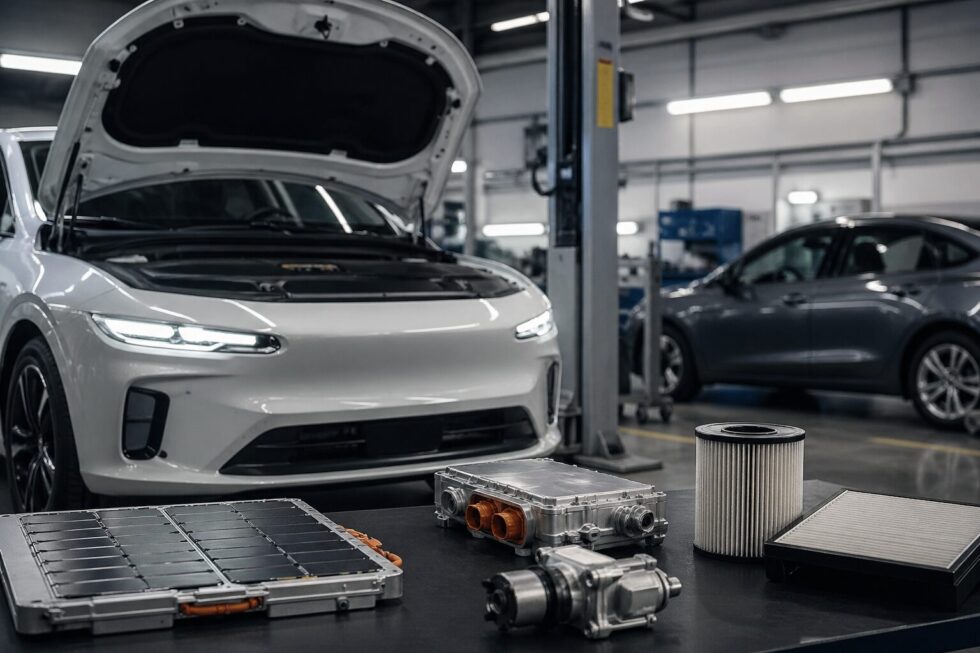
The fundamental reason electric vehicles are cheaper to maintain lies in their radical mechanical simplicity. A traditional petrol or diesel engine is a masterpiece of complex engineering, containing over 2,000 moving parts that operate under extreme heat and pressure. In contrast, an electric motor typically contains only about 20 moving parts. There are no valves to adjust, no pistons to wear out, and no complex exhaust systems to rust or clog.
This reduction in complexity translates directly into fewer "points of failure" for the consumer. In 2026, as labor rates in garages across the UK and Europe have surged due to specialized technician shortages, the fact that an EV requires significantly fewer "hands-on" hours for routine maintenance is a massive financial advantage for the owner.
Comparison of Moving Parts and Maintenance Requirements (2026 Data):
| Component | Internal Combustion Engine (ICE) | Electric Vehicle (EV) | Maintenance Impact |
| Moving Parts | 2,000+ | ~20 | Massive reduction in wear |
| Transmission | Multi-speed (Complex) | Single-speed (Simple) | Fewer fluid changes needed |
| Oil Changes | Required every 10k-15k miles | None | Zero cost / No disposal fees |
| Braking System | Friction-only (High wear) | Regenerative (Low wear) | Pads last 2-3x longer |
| Exhaust System | Catalytic converters/sensors | None | No rust or sensor failures |
| Cooling System | Complex (Pumps/Belts/Radiators) | Simplified (Battery focused) | Lower risk of catastrophic failure |
The Regenerative Braking Bonus: Saving More Than Just Energy
One of the most overlooked "hidden" savings in EV ownership is the longevity of the braking system. Traditional cars rely entirely on friction—pressing pads against rotors—to stop, which generates heat and causes material wear. Electric vehicles use "regenerative braking," where the electric motor reverses its function to act as a generator, slowing the car down while pumping energy back into the battery.
This means the mechanical friction brakes are used significantly less often, usually only for emergency stops or the final few feet of deceleration. In 2026, fleet data shows that many EV owners are reaching 100,000 miles on their original set of brake pads and discs, a feat nearly impossible for a heavy petrol-powered SUV.
Practical Benefits of Regenerative Braking in 2026:
- Extended Pad Life: Brake components often last three times longer than on ICE vehicles.
- Lower Dust Pollution: Reduced friction means less "brake dust" on your wheels and in the air.
- Energy Recovery: Up to 70% of the kinetic energy used in braking is recovered to the battery.
- One-Pedal Driving: Many 2026 EV models allow for a smoother, less stressful driving experience.
- Corrosion Resistance: Modern EVs now feature automated "cleaning cycles" to prevent rotors from rusting due to underuse.
- Maintenance Alerts: Smart sensors detect if calipers are sticking, preventing uneven wear before it starts.
Battery Longevity in 2026: Myths vs. Reality
The "elephant in the room" for EV maintenance has always been the battery. Critics often point to the high cost of battery replacement as a potential financial catastrophe for second-hand owners. However, 2026 data from millions of high-mileage EVs shows that battery degradation is far slower than initially feared.
Most modern lithium-ion and LFP (Lithium Iron Phosphate) batteries are retaining over 85% of their original capacity after 150,000 miles. Furthermore, the 2026 market for "second-life" batteries has matured; even if a battery is no longer suitable for a car, it can be sold for thousands of pounds for home energy storage, significantly offsetting any eventual replacement costs.
Strategies to Maximize Battery Health and Value:
- Avoid 100% Charging: Keeping the battery between 20% and 80% for daily use extends life.
- Use Smart Cooling: Modern 2026 EVs manage their own temperature; keep them plugged in during extreme heat.
- Minimize Rapid DC Charging: While convenient, frequent ultra-fast charging can stress older battery chemistries.
- Software Updates: Always install the latest Over-the-Air (OTA) updates for battery management.
- Monitor Health: Use built-in diagnostic tools to track "State of Health" (SoH) for resale value.
- Depth of Discharge: Avoid letting the car sit at 0% for long periods to prevent cell damage.
The Software Revolution: Maintenance Without the Mechanic
In 2026, the concept of a "service" has changed. For many EV manufacturers like Tesla, Polestar, and Hyundai, many traditional "faults" are now fixed via Over-the-Air (OTA) software updates. Whether it's optimizing power delivery, improving thermal management, or even increasing the range of the vehicle, these updates occur while the car is parked on your driveway.
This eliminates the need for a physical visit to a dealership, saving the owner time and the "diagnostic fee" that typically starts at £100 in UK garages. The car has evolved from a mechanical machine into a "software-defined vehicle," meaning it often gets better and more efficient with age, rather than degrading.
The "Digital Service" Checklist in 2026:
- OTA Updates: Free performance and safety enhancements delivered via Wi-Fi.
- Remote Diagnostics: The car can tell the manufacturer exactly what is wrong before you even call.
- Predictive Maintenance: Sensors track tire pressure and alignment, alerting you before damage occurs.
- Reduced Paperwork: Service history is stored securely in the cloud, increasing resale transparency.
- App Integration: Manage charging, cooling, and security from your smartphone.
- Virtual Assistance: AI-driven support can talk you through simple fixes (like cabin filter changes).
Tires and Suspension: The Only "Weighty" Concern
While EVs win on engine and brake maintenance, they do face one specific challenge: tires. Because of the heavy battery packs, EVs are generally heavier than their petrol counterparts. Additionally, the "instant torque" of an electric motor can put more stress on the rubber if the driver has a "heavy foot."
In response, the tire industry in 2026 has developed EV-specific compounds that are designed to handle higher weights and offer lower rolling resistance to maximize range. While these tires can be slightly more expensive upfront, they are essential for maintaining the car's efficiency and reducing road noise—a crucial factor in the silent world of electric driving.
EV-Specific Tire and Suspension Maintenance Tips:
- Rotate Regularly: Rotate tires every 6,000 miles to ensure even wear.
- Maintain Pressure: Even a 5% drop in pressure can reduce range by 10%.
- Alignment Checks: The extra weight makes suspension more prone to shifting over potholes.
- Choose EV-Rated Rubber: Look for tires with the "HL" (High Load) rating for maximum safety.
- Drive Smoothly: Utilizing "Eco Mode" can soften torque delivery, adding months to your tire life.
- Suspension Bushings: Heavier cars put more strain on rubber bushings; check these every 40k miles.
Fluid Maintenance: What’s Left to Change
A common misconception is that EVs have no fluids at all. While you can say goodbye to engine oil, there are still several vital liquids that require periodic attention to keep the vehicle operating safely and efficiently. Brake fluid, for instance, is hygroscopic (it absorbs water) and must be replaced every two years to prevent corrosion within the lines.
Additionally, many high-performance EVs in 2026 use a complex liquid cooling system for the battery and motor. This coolant, though long-life, should be inspected for pH balance and levels. Finally, the windshield washer fluid remains a constant—perhaps the only maintenance task that hasn't changed since the 20th century.
The EV Fluid Checklist for 2026:
- Brake Fluid: Replace every 24 months to maintain stopping power.
- Battery Coolant: Usually a "filled for life" item, but should be inspected every 50k miles.
- Transmission Fluid: Single-speed gearboxes still require lubrication; check per manufacturer specs.
- Windshield Washer Fluid: The most frequent top-up required by the owner.
- A/C Refrigerant: Necessary for cabin comfort and battery thermal management.
The Hidden Savings: Road Tax, Congestion Charges, and Resale Value
Beyond the garage, the financial benefits of EV ownership in 2026 are reinforced by government policy and market trends. As "Ultra Low Emission Zones" (ULEZ) expand to cover almost every major UK city, the daily savings for EV drivers are substantial. While some tax incentives are tapering off as EVs become mainstream, the "benefit-in-kind" (BIK) rates for company car drivers remain significantly lower for electric models.
Furthermore, the resale market for used EVs has stabilized in 2026. As petrol cars face increasing restrictions and higher fuel costs, a well-maintained EV with a verified battery health report is becoming the "gold standard" for used car buyers, holding its value far better than older diesel models.
| Expense Category | Petrol (ICE) 5-Year Cost | Electric (EV) 5-Year Cost | Savings with EV |
| Fuel/Energy | £12,000 | £3,500 | £8,500 |
| Scheduled Service | £2,500 | £1,200 | £1,300 |
| Brakes & Exhaust | £1,800 | £400 | £1,400 |
| Road Tax/Charges | £2,000 | £0 - £500 | £1,500 |
| Total Maint. Cost | £18,300 | £5,600 | £12,700 |
Climate Resilience: How EVs Handle 2026 Weather Extremes
With 2026 seeing more extreme weather patterns, from scorching summers to biting winters, the reliability of your vehicle is paramount. A petrol car’s lead-acid battery is notoriously prone to failure in the cold, and the complex cooling systems struggle in heatwaves. Modern EVs are built with sophisticated thermal management systems that "pre-condition" the battery for optimal performance.
While range can drop in the winter due to cabin heating, the mechanical reliability remains superior; an EV has no "cold start" issues because there is no oil to thicken or fuel to vaporize. In 2026, the peace of mind knowing your car will start instantly in -10°C is a significant, albeit non-monetary, benefit of the electric transition.
Winter and Summer EV Care Tips:
- Pre-Conditioning: Use the app to warm or cool the car while it’s still plugged in to save range.
- Heat Pumps: Choose an EV with a heat pump for much more efficient winter heating.
- Parking: In summer, park in the shade to reduce the energy the car spends cooling the battery.
- Charging Speed: Batteries charge slower when very cold; plan for longer stops in winter.
- Tire Grip: Heavier EVs benefit significantly from high-quality winter tires in icy conditions.
Frequently Asked Questions
Do EVs really need an annual service?
While they don't need oil changes, they still require checks on cabin air filters, brake fluid, and coolant for the battery's thermal system. However, the intervals are usually longer (2 years) and the cost is 30-50% lower than an ICE service.
What happens if the battery dies after the warranty?
In 2026, we rarely see total battery death. Usually, individual "cells" can be replaced at a fraction of the cost of a whole pack. There is also a thriving market for refurbished batteries.
Is it true that EV tires wear out much faster?
If you use a standard tire, yes. However, if you use 2026-standard EV-specific tires and drive reasonably, the wear rate is only about 10-15% higher than a petrol car, which is offset by other savings.
Do I need a special mechanic for an EV?
Yes. Working on high-voltage systems requires specific certification. However, in 2026, most major UK garages and even mobile mechanics are now fully trained and equipped for EV service.
How does an EV hold its value compared to a petrol car?
In the 2026 market, petrol cars are depreciating faster as "Ultra Low Emission Zones" expand and fuel costs rise. EVs with a healthy battery report are now considered the "safer" long-term investment.
Can I charge an EV in the rain?
Absolutely. The charging systems are designed with multiple layers of weatherproofing and safety cut-offs. It is perfectly safe to charge in rain, snow, or sleet.
Read about the life of Westminster and Pimlico district, London and the world. 24/7 news with fresh and useful updates on culture, business, technology and city life: Microsoft Outlook issues today: Why it’s asking for your password and how to fix login errors