Renting in London has long been synonymous with high costs, a challenge that confronts millions of residents and newcomers. The city's reputation as a financial and cultural powerhouse comes with a hefty price tag, especially in its central zones. However, the reality of the London rental market is far more nuanced than its expensive reputation suggests. Affordability varies dramatically across the city's 32 boroughs, with the most budget-friendly options often located in the outer rings. For those seeking a balance between a high quality of life and manageable living expenses, an in-depth understanding of these diverse areas is essential. This article provides a comprehensive guide to the cheapest London boroughs for renting a flat in 2025, taking into account not only average prices but also transport links and local amenities, as stated by the editorial team at The WP Times.
The East London Edge: Emerging Pockets of Affordability
East London has undergone a profound transformation over the last two decades, with areas once considered underprivileged now among the city's most fashionable and expensive districts. While places like Hackney and Shoreditch have become out of reach for many, the ripple effect of this gentrification has extended further east, creating new opportunities for renters seeking lower prices. These boroughs are characterized by ongoing regeneration projects, a rich multicultural fabric, and a developing infrastructure that makes them increasingly appealing. The combination of more space and lower costs appeals to many, particularly young professionals and families.
These eastern areas offer a different lifestyle from the central hustle, with larger parks, local markets, and a strong sense of community. The challenge is often balancing the lower rent with a potentially longer commute.
Bargain Boroughs: A Look at Havering and Barking and Dagenham
Havering and Barking and Dagenham consistently rank among London's most affordable boroughs. Both offer a significant price advantage over their more central neighbors, making them attractive to budget-conscious renters. These areas have benefited from recent transport improvements, most notably the Elizabeth Line, which has dramatically reduced commute times to central London. They also provide a more suburban lifestyle, with larger properties and access to green spaces that are scarce in the inner city.
- Havering: With an average monthly rent for a one-bedroom flat estimated at £1,200, Havering offers excellent value. Commute times to Central London are around 35-40 minutes via the District Line or Elizabeth Line. Key features include Romford's shopping district and extensive green spaces like Havering Country Park.
- Barking and Dagenham: Considered one of London’s most affordable boroughs, with one-bedroom flats averaging around £1,150 per month. The commute to the city centre is roughly 30-35 minutes on the District Line. The area is a key focus of regeneration projects, with new housing and community facilities emerging regularly.
These boroughs appeal to those who prioritize space and a quieter environment. The improved transport links have made these areas a viable option for professionals, and ongoing development promises an even better quality of life in the coming years.
South London's Slower Pace: Value Beyond the River
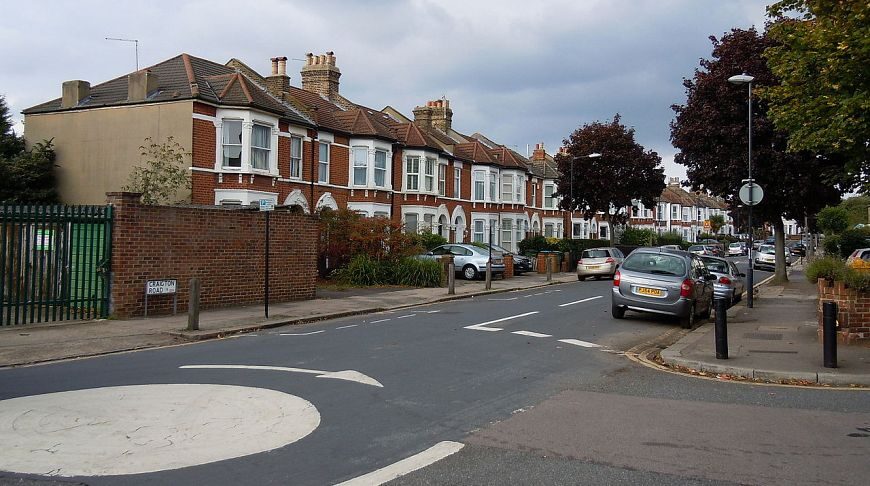
South London is a vast and varied region, often perceived as having a less extensive transport network than the north. However, this perception is outdated. The area is well-served by a network of Overground trains and buses, making it highly connected to the rest of the city. While boroughs like Lambeth and Southwark have seen soaring prices, the outer southern boroughs continue to offer some of the city's best rental bargains. These areas provide a more relaxed, residential feel, and their high streets often have a strong local character with independent shops and restaurants.
Many of these boroughs are undergoing significant redevelopment, which is bringing new amenities and improving the local infrastructure. This makes them a smart choice for renters looking to get ahead of the curve.
The Southern Gems: Croydon and Bexley Explained
The affordability of Croydon and Bexley makes them top contenders for budget-conscious renters. While Croydon is a vibrant, bustling urban hub, Bexley offers a more tranquil, almost suburban lifestyle. Both are well-connected and provide a strong sense of community that is often lacking in more central areas.
| Borough | Average 1-Bed Rent (2025) | Transport Links | Key Attractions |
| Croydon | £1,300 - £1,450 | Thameslink, Overground, Tramlink | Boxpark, Croydon Town Centre development, Whitgift Centre |
| Bexley | £1,150 - £1,350 | Southeastern trains, A2 road | Hall Place, Danson Park, historic houses |
Croydon is an attractive option for those who want a city-like feel without the central London price tag. Its ongoing redevelopment, including new housing and commercial spaces, promises an even brighter future. On the other hand, Bexley offers a quieter, family-friendly environment with excellent schools and plenty of green space.
Exploring North and West London's Hidden Values
North and West London are often viewed as the most expensive parts of the city. While this is true for boroughs like Kensington and Chelsea or Islington, the outer regions still hold hidden value. These boroughs are often well-connected by the Tube and Overground lines and provide a blend of historic charm and modern amenities. They appeal to renters who desire a quieter life but still need easy access to the city centre.
These areas are diverse and each has a unique character, from the leafy streets of Barnet to the well-regarded communities of Sutton. They offer a good balance of affordability and a high standard of living.
Northwest and West: The Appeal of Barnet and Sutton
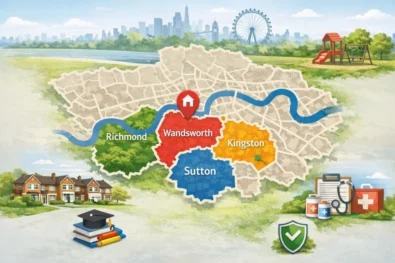
Barnet and Sutton are two boroughs that provide excellent value for renters in North and West London respectively. Both are well-regarded for their quality of life, good schools, and safe environments, making them particularly popular with families and professionals. While their rents are slightly higher than those in the eastern boroughs, the quality of life often justifies the difference.
- Barnet: The average monthly rent for a one-bedroom flat is approximately £1,350. The borough is well-served by the Northern Line, providing a direct commute to central London in around 30 minutes. It is known for its green belt, charming villages like High Barnet, and a good mix of urban and suburban living.
- Sutton: With an average one-bedroom rent of around £1,300, Sutton offers a very competitive price. It is well-connected by Thameslink and Southern trains, with a commute time of roughly 25-30 minutes to London Victoria. The area is famous for its high-performing schools and a strong community feel.
These boroughs show that it is possible to find a balance between affordability, quality of life, and excellent transport links in all corners of London. The choice depends on personal preferences and priorities.
Read about the life of Westminster and Pimlico district, London and the world. 24/7 news with fresh and useful updates on culture, business, technology and city life: What Happened on 6 September in Westminster, Britain and the World.