London, 14 January 2026 — The UK government has formally abandoned plans to make digital ID compulsory for workers, reversing a flagship policy announced by Prime Minister Sir Keir Starmer in September 2025 that would have required people to register for a state-issued digital identity in order to prove their right to work, access jobs and remain in employment.
Under the revised framework, all right-to-work checks will still be carried out digitally by 2029 — using biometric passports and Home Office online immigration records — but individuals will be able to prove their status without enrolling in the government’s digital ID scheme, meaning employment will no longer depend on creating or maintaining a national digital identity profile.
The change removes the need for workers to hold a government-issued digital ID to get or keep a job, while preserving the move to fully digital, fraud-resistant employment checks. This is reported by The WP Times., citing Prime Minister’s Office policy documents published on 26 September 2025 and subsequent ministerial statements and Reuters interviews confirming the change.
What the UK digital ID scheme was originally designed to do
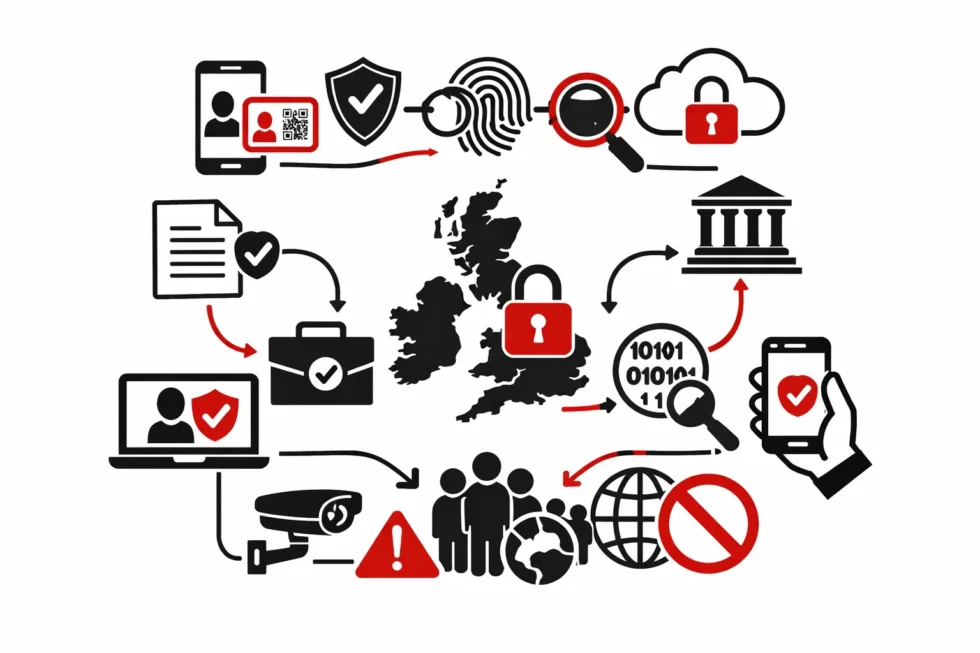
The UK digital identity programme was launched by 10 Downing Street in September 2025 as part of a broader government strategy to modernise public services, strengthen border controls and reduce illegal working. According to official documents published by the Prime Minister’s Office, the scheme was designed to create a single, government-issued digital identity that could be used across the public sector and in employment checks. The digital ID system was intended to:
- provide one verified digital identity for UK citizens and legal residents
- enable access to tax records, benefits, childcare support and driving licences
- replace paper-based and fragmented identity checks
- become mandatory for right-to-work verification by the end of the current Parliament
The government said the system would be stored on people’s smartphones through a GOV.UK digital wallet, similar to the NHS App, allowing users to prove their identity without carrying physical documents. Prime Minister Sir Keir Starmer said the policy would make it harder for people without legal status to enter the UK labour market, while at the same time making it faster and easier for lawful residents to prove who they are when dealing with employers and public services.
Why the government removed the compulsory digital ID requirement
Following its launch, the UK digital ID policy became a focus of political pressure after Prime Minister Sir Keir Starmer announced that registration would be mandatory for anyone seeking work. Polling data showed public support falling from more than half of the population to less than one-third, while a parliamentary petition opposing compulsory digital identity was signed by nearly three million people, according to parliamentary records.
Amid the growing backlash, senior ministers confirmed that the government had revised the policy, removing the legal requirement for individuals to register for a state digital ID, while keeping the move toward mandatory digital right-to-work verification. Speaking on BBC Radio 4’s Today programme, Transport Secretary Heidi Alexander said the government remained “absolutely committed” to digital checks of employment status, including the use of biometric passports and Home Office systems, but confirmed that digital ID would now be “one of several ways” to prove eligibility to work.
How digital right-to-work checks will operate by 2029
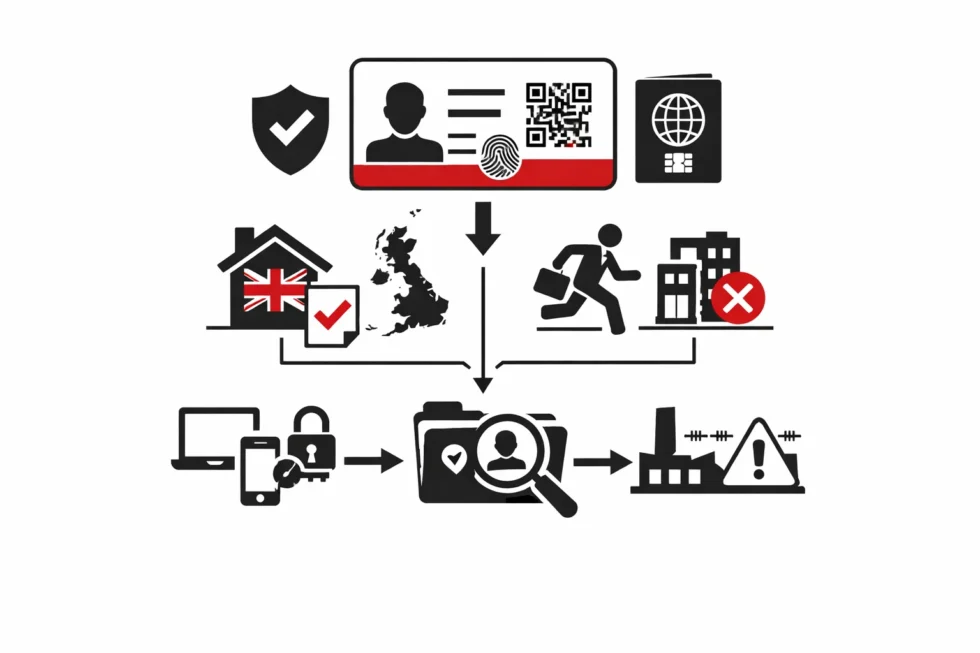
Under the revised framework, UK employers will be legally required to use digital systems to verify that anyone they hire has the right to work in the UK, replacing the current mix of paper documents and manual checks. In practice, this means that before offering a job, employers will need to confirm a worker’s status through government-approved digital verification services, rather than relying on photocopies of passports or visas. Workers will be able to prove their eligibility using one of three government-recognised digital routes:
- a biometric passport, verified through certified digital identity services
- Home Office online immigration records, where a person’s legal status is already held electronically
- the government’s digital ID, stored in the forthcoming GOV.UK Wallet (optional)
The legal responsibility to carry out and record these checks will rest with employers, who must keep a digital audit trail showing that a valid right-to-work verification was completed before employment began. This digital trail is intended to allow the Home Office to identify employers who fail to carry out checks or who repeatedly hire people without legal status, using data rather than paper records.

What employers already use to check the right to work
Digital right-to-work checks are already in place across large parts of the UK labour market, meaning the move to a fully digital system by 2029 will build on infrastructure that is already operating. Different groups of workers are verified through different government-approved systems:
| Worker category | Verification system |
|---|---|
| British and Irish passport holders | Government-certified digital identity verification services |
| Non-British residents | Home Office online immigration status system |
| Employers | Digital records showing that a right-to-work check has been completed |
Since 2022, employers have been allowed to verify British and Irish passport holders using approved digital identity service providers rather than checking physical documents. For non-British citizens, immigration status is already held electronically by the Home Office, allowing employers to confirm a person’s right to work through a secure online portal. Under the government’s updated policy, these existing systems will be brought together into a single fully digital right-to-work framework, removing the need for paper copies and creating a permanent digital record of every check carried out.
What the UK government digital ID will contain
The UK government’s digital ID system will be built around two national digital platforms designed to provide a secure, government-verified identity for residents. These are:
- GOV.UK One Login, which already has more than 12 million registered users across government services
- GOV.UK Wallet, a smartphone application that will allow people to store official digital credentials
According to government policy documents, the digital ID credential will include:
- a person’s full name
- date of birth
- nationality
- residence or immigration status
- a photograph used for biometric verification
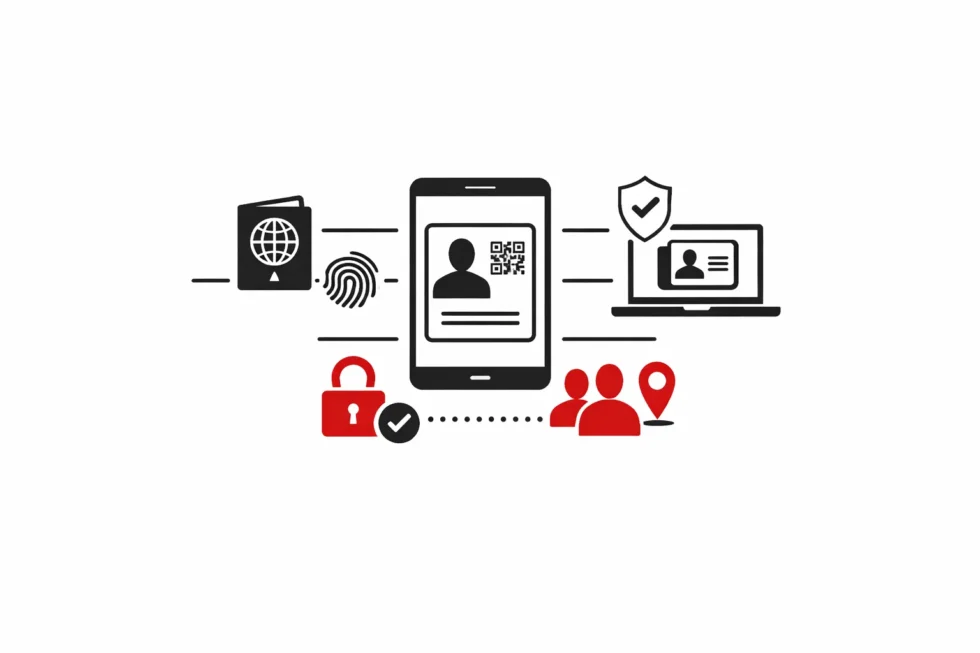
The ID will be stored directly on a user’s own device, using encrypted digital credentials rather than a centralised card database. A government spokesperson said paper-based right-to-work checks leave no reliable audit trail and are open to fraud. Digital systems will instead create a secure, traceable record of every employment check and support access to government services such as tax, benefits and official records. The government confirmed that digital right-to-work checks will be mandatory, but registration for the digital ID scheme will remain voluntary, meaning a government-issued digital ID will not be required to hold a job.
Read about the life of Westminster and Pimlico district, London and the world. 24/7 news with fresh and useful updates on culture, business, technology and city life: Why did the US suspend the Diversity Visa green card programme after the Brown University shooting