A Digital Detox is no longer just a wellness trend in our era of constant connectivity, but a strategic necessity for maintaining mental health and inner awareness. The uninterrupted flood of notifications and information keeps our brains in a state of alarm, leading to chronic overstimulation and permanently destroying the capacity for deep concentration and genuine peace. This phenomenon has measurable consequences: According to a recent TK study (2025), 68 percent of the population report that their smartphone usage is the main cause of stress. The brain is systematically robbed of its essential rest. To protect your psyche and productivity, you must consciously disconnect from the digital world and cultivate mindfulness, as the editorial board of The WP Times emphasizes.
The Psychology of Digital Chains: Why Disconnecting is so Difficult
The relentless pull of digital devices has deep psychological roots that fuel the need for a Digital Detox.
Behind every like and notification is a targeted dopamine incentive that traps our reward system in an addictive, endless loop. This constant "Attention Switching"—the rapid shifting of focus—is the true cause of overstimulation and prevents the state of deep concentration ("Deep Work"). The result is continuous partial attention, a state that causes long-term damage to mental health. Furthermore, the fear of missing out (FOMO) intensifies compulsive usage and sabotages peace in daily life. Experts emphasize that the brain requires regular phases of digital rest to consolidate information and sharpen awareness.
Psychological Triggers That Keep Us in the Digital Loop
Six sentences introducing the list: To initiate an effective Digital Detox, it is crucial to understand the subtle psychological mechanisms that perpetuate overstimulation.
- Main Triggers of Digital Overload:
- Dopamine Reward Loops: The addiction to fast, small rewards (likes, pings).
- FOMO (Fear of Missing Out): Compulsion to stay connected to avoid missing social or professional information.
- Cognitive Overload: Constant task switching ("Attention Switching") hinders deep concentration.
- Escape from Peace: Using digital media as a distraction from boredom or inner contemplation.
Therapy for the Brain: Proven Effects of a Digital Detox
Current neuroscientific studies conclusively prove the positive effects that a planned Digital Detox has on the brain's structure and function, significantly contributing to mental health.
A 2024 study by the University of Sussex demonstrated that even a short, 7-day reduction in smartphone usage lowered the subjects' perceived stress levels by 20 percent. This targeted disconnection minimizes exposure to blue light in the evening, leading to a verifiable improvement in sleep quality—a key factor for the regeneration of the psyche. During phases of digital rest, the brain regains its capacity for deep concentration as the constant interruptions (the "interruption costs") cease. A Digital Detox is thus an effective means of strengthening executive functions and cultivating clear awareness.
Measurable Benefits for Health and Performance
Seven sentences detailing the benefits: The regained mental capacity can be directly invested in creative processes and improved problem-solving skills. By reducing overstimulation, the risk of digital fatigue and burnout is lowered.
- Neuroscientific and Psychological Benefits:
- Stress Reduction: Measurable decrease in subjective stress (20% after 7 days of less screen time).
- Cognitive Enhancement: Restoration of deep concentration and focus ability.
- Increased Awareness: Promotion of mindfulness and introspection during periods of rest.
- Better Recovery: Significant improvement in sleep quality by reducing blue light exposure.
Practical Implementation: Strategies for Digital Mindfulness
Successfully executing a Digital Detox does not require radical measures but a clear, practical strategy that heightens awareness of device usage.
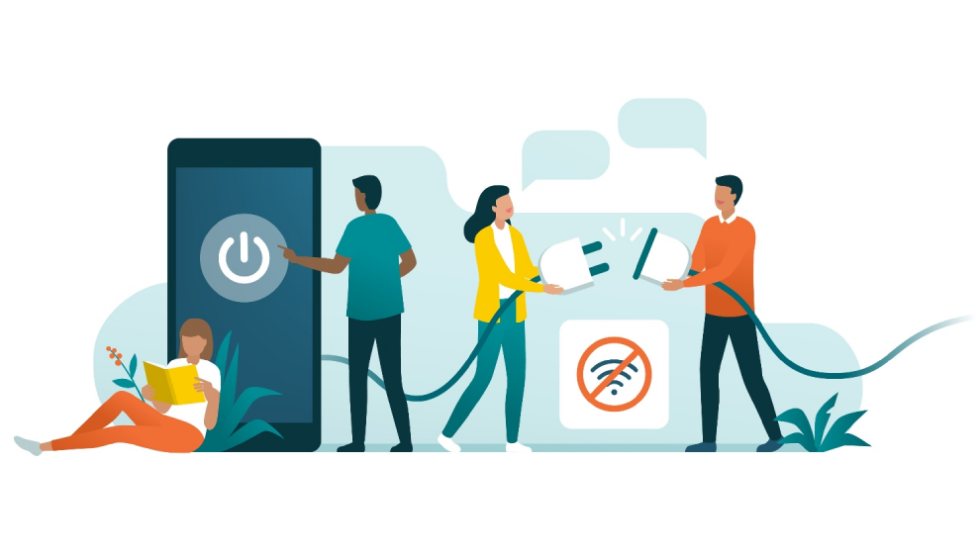
The simplest and most effective first step is turning off all unnecessary push notifications; studies show this drastically reduces the frequency of checking devices. Furthermore, smartphone-free zones (such as the bedroom and dining table) should be strictly enforced to protect essential regeneration phases and social interactions. For lasting habit change, it is advisable to establish fixed time slots during the day for checking emails or social media, while devoting the remaining time to deep concentration or peace. The consistent replacement of digital habits with analog hobbies that require mindfulness (e.g., reading a physical book, crafting) is a crucial component for long-term mental health.
Concrete Steps for the Daily Digital Detox
Six sentences introducing the list: To intentionally reduce overstimulation and integrate more peace into daily life, these practical tips should be implemented immediately.
- Concrete Measures to Reduce Overstimulation:
- Radically Disable Notifications: Only allow calls and essential messages.
- Smartphone-Free Zones: Designate bedrooms and dining areas as digital no-go areas.
- Fixed Time Slots for Media: Check emails only twice a day at defined times.
- Analog Replacement: Substitute digital habits with hobbies that foster deep concentration (reading, nature, crafting).
Freeing the brain from constant overstimulation through a targeted Digital Detox is a critical investment in personal health and inner awareness. The conscious reduction of digital dependence sustainably strengthens the psyche, enhances deep concentration, and restores essential peace in daily life.
Read about the life of Westminster and Pimlico district, London and the world. 24/7 news with fresh and useful updates on culture, business, technology and city life: Mindfulness in Bed: The Key to More Oxytocin and Deeper Love