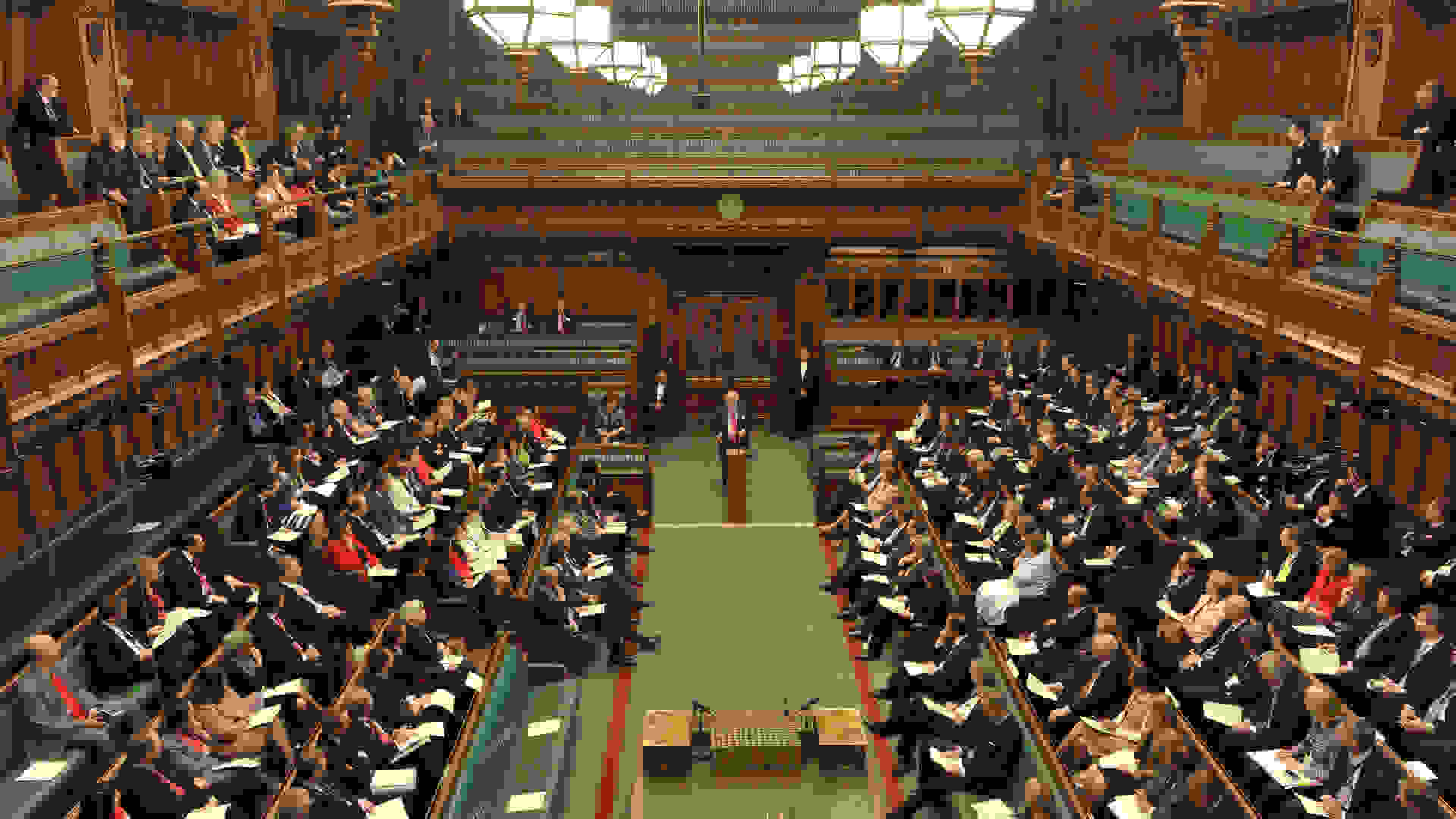
Understanding how the UK Parliament works is essential for every Londoner, especially for those living near Westminster. The intricacies of the British political system can seem complex at first glance, but a basic grasp of its structure and functions provides valuable insight into the way decisions are made that affect all aspects of daily life. Parliament, as the center of political life, plays a pivotal role in shaping policies, laws, and the direction of the country. For Londoners, being informed about the legislative process allows for a more active engagement with their communities and an understanding of how their representatives work on their behalf. This article will break down the essential elements of the UK Parliament, providing clarity on its functions, structure, and significance, reports The WP Times.
The Structure of the UK Parliament
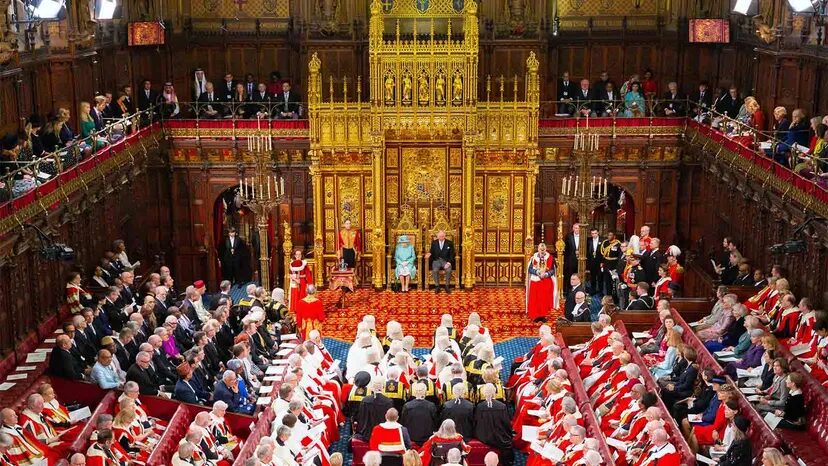
The UK Parliament is the supreme legislative body in the country, consisting of two Houses: the House of Commons and the House of Lords. It operates within a constitutional monarchy, meaning the monarch plays a ceremonial role while political power resides with the elected officials. The relationship between these two branches of Parliament shapes the democratic process, with each House contributing to the making of laws and policies.
The UK Parliament operates in a way that is designed to ensure accountability and transparency. Members of Parliament (MPs) in the House of Commons are directly elected by the public, while members of the House of Lords are appointed based on various criteria, including expertise and public service. Together, they work in tandem to review proposed legislation, hold the government to account, and ensure that the public's interests are represented in decision-making processes.
The House of Commons vs. The House of Lords
The House of Commons plays the most direct role in shaping policy, as its members are elected to represent the public. In contrast, the House of Lords serves as a revising chamber, providing expert input and scrutinizing legislation that passes through the Commons. Together, these two bodies create a system of checks and balances that ensures legislation is well-considered before it becomes law.
Before we look into their specific roles, let’s first recognize the structural differences between the two. The House of Commons is made up of elected MPs who represent the public, while the House of Lords consists of appointed members, including life peers, bishops, and hereditary peers. Each House has distinct responsibilities, and together, they ensure that no legislation is rushed through without proper scrutiny.
How Legislation is Created in Parliament
The process of creating a new law is intricate and involves multiple stages in Parliament. It starts with the introduction of a bill, which can be proposed by the government or by individual MPs and Lords. Once introduced, the bill undergoes a series of readings, debates, and amendments before being voted on.
At this point, it's important to understand that the process can be lengthy. A bill may go through several rounds of scrutiny and debate to ensure its effectiveness. Each stage allows MPs and Lords to bring their perspectives and expertise to the table, which ensures that the law being proposed is as refined and effective as possible.
The primary stages include:
- First Reading – Introduction of the bill with no debate.
- Second Reading – General debate on the bill's principles.
- Committee Stage – Detailed examination and amendments.
- Report Stage – Further review and voting on amendments.
- Third Reading – Final approval or rejection.
Before moving to the next stage, it’s crucial to recognize that each step allows for scrutiny and debate, which ensures that the law is as comprehensive and effective as possible.
Key stages of lawmaking
Before we examine the stages of lawmaking in more detail, it's essential to understand the process step by step. The following table highlights each key stage involved in passing a bill in Parliament.
| Stage | Description |
|---|---|
| First Reading | Bill is introduced and formally read. |
| Second Reading | General debate on the bill’s principles. |
| Committee Stage | Detailed examination and amendments. |
| Report Stage | Further review and voting on changes. |
| Third Reading | Final approval and passage to the House of Lords. |
The stages outlined in the table provide a clear view of the rigorous process each bill must go through before becoming law. This ensures that laws are thoroughly debated, revised, and carefully considered.
The Role of MPs and Lords in the Process
The role of MPs and Lords in the legislative process cannot be overstated. MPs, directly elected by the public, are responsible for representing the needs and interests of their constituents. They play a central role in debating and voting on proposed legislation.
Lords, on the other hand, contribute their expertise and experience to refine the legislation passed through the House of Commons. Their role is often misunderstood, as they do not represent constituencies, but rather provide non-partisan input that improves the quality of legislation.
Before we dive deeper into their specific roles, it is important to understand that both Houses work together to ensure that bills are not passed hastily. While MPs represent public concerns and immediate needs, Lords offer a more long-term perspective on the implications of proposed laws.
While MPs are generally more focused on the immediate needs of their constituents, Lords provide a broader, longer-term perspective, drawing on their diverse experiences in fields such as law, science, and business. Together, these two Houses ensure that legislation is carefully crafted and well-rounded.
How the Prime Minister is Chosen and What They Do
In the UK, the Prime Minister (PM) is the leader of the government and is typically the leader of the political party that has the most seats in the House of Commons following a general election. The PM is appointed by the monarch but is expected to have the confidence of the House of Commons.
Once chosen, the Prime Minister appoints members of the Cabinet, which is responsible for running various departments and making decisions on domestic and foreign policy. The Prime Minister also plays a significant role in proposing new laws and guiding the government’s legislative agenda through Parliament.
Before discussing the specifics of the Prime Minister’s role, it is important to recognize the level of power that comes with holding the position. The Prime Minister’s influence extends not only to the creation of laws but also to shaping the country’s foreign policy and international relations.
Key responsibilities of the Prime Minister
- Leading the government and making key decisions.
- Appointing Cabinet members and government officials.
- Representing the UK in international affairs.
- Proposing new legislation and overseeing its passage through Parliament.
The Prime Minister’s role is central to the functioning of Parliament, as they are responsible for setting the legislative agenda and ensuring that the government’s policies are implemented.
The Importance of Parliamentary Committees
One of the most effective ways Parliament functions is through its committees. These smaller groups of MPs and Lords are tasked with investigating specific issues, scrutinizing government policies, and ensuring that laws are properly enforced. Parliamentary committees hold inquiries, gather evidence, and report their findings, which can lead to changes in government policy or even the introduction of new legislation.
Committees are essential because they allow for detailed and focused investigation into specific areas of public concern. Through their work, they can bring about significant changes in policy or highlight areas that need urgent attention. This focused scrutiny is a key part of maintaining a transparent and accountable government.
Types of Parliamentary Committees
Before diving into the specific types of committees, it’s important to understand their role. Committees play a central role in reviewing the government’s actions, examining policy proposals, and making recommendations. They ensure that proposed laws are properly scrutinized from all angles.
There are several different types of committees, each with a specific purpose:
- Select Committees: Focus on scrutinizing government departments.
- Joint Committees: Include both MPs and Lords and focus on specific issues.
- Public Accounts Committee: Holds the government accountable for public spending.
Before we explore the types of committees in more detail, it’s important to understand why these committees are essential to the workings of Parliament. Committees are formed to review specific areas of policy, legislation, or government activity. They act as smaller groups within the larger Parliament, and their role is to investigate, scrutinize, and sometimes amend legislation before it is passed.
The committees hold in-depth discussions, gather evidence, and provide comprehensive reports on their findings. Through their work, they ensure that laws and policies are examined in detail, and any potential flaws or issues are identified before the final approval. In addition, they ensure that the government remains transparent, accountable, and responsible for its actions.
Types of Parliamentary Committees
| Committee Type | Purpose |
|---|---|
| Select Committees | Scrutinize the work of government departments. |
| Joint Committees | Investigate specific issues involving MPs and Lords. |
| Public Accounts Committee | Monitor public spending and financial oversight. |
Committees are integral to ensuring that the government is not only transparent but also accountable. They are a means by which Parliament can ensure that public funds are spent wisely and that the government’s actions are being carefully examined.
How the UK Parliament Affects Daily Life
The work of Parliament impacts nearly every aspect of daily life in the UK. From healthcare to education, social services to housing, the decisions made within these historic walls affect policies that govern citizens' rights and responsibilities. The UK’s laws, including those related to taxation, social welfare, and public services, are all shaped by the decisions made in Parliament.
For Londoners, Parliament plays an especially crucial role, as it determines the resources allocated to the capital city, the policies that affect housing and transportation, and even the measures taken to improve urban safety. Understanding how these decisions are made allows Londoners to better engage with the political process and make their voices heard on issues that matter to them.
Why Every Londoner Should Understand Parliament
The UK Parliament is at the heart of the country's political system. Whether you live in Westminster or anywhere else in the capital, the decisions made by MPs and Lords influence daily life, from the roads we drive on to the public services we rely on.
By understanding how Parliament works, Londoners can become more informed and engaged in the democratic process. Knowing how laws are made, who is responsible for shaping them, and how decisions are reached helps individuals make sense of the political landscape and ensures they can advocate effectively for the issues that matter to them.
Read about the life of Westminster and Pimlico district, London and the world. 24/7 news with fresh and useful updates on culture, business, technology and city life: UK Laws Shaping London Housing Prices: The Hidden Impact.
Photo: HowStuffWorks.