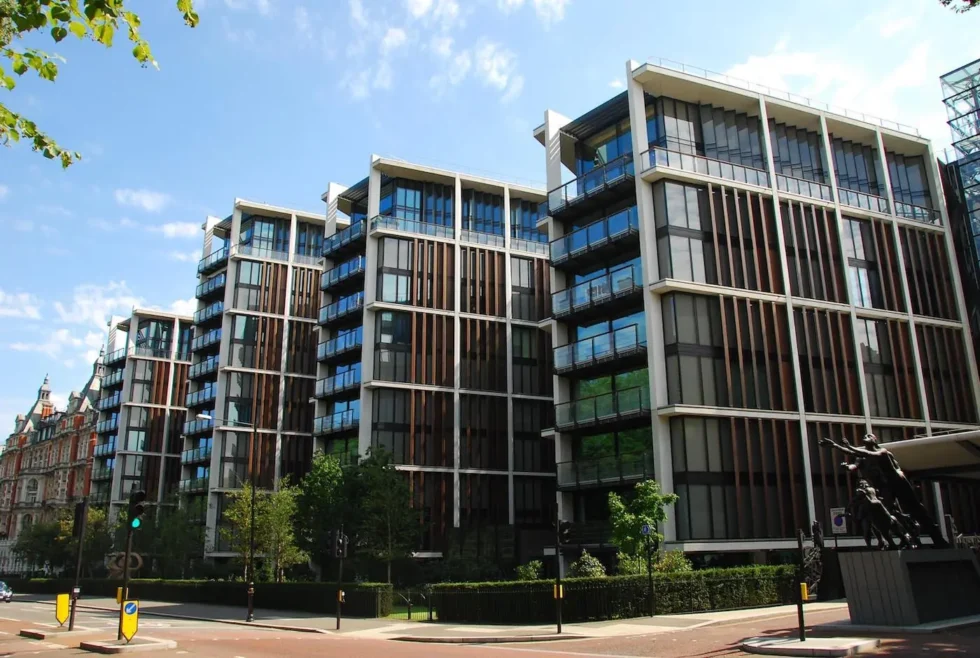
London real estate remains a cornerstone of global investment, consistently drawing capital from around the world due to its stability, liquidity, and long-term value. The city's property market is not a single entity, but a mosaic of diverse micro-markets, each with its own unique characteristics, growth drivers, and investment profiles. For an investor, simply buying in London is not enough; the key to success lies in understanding these local dynamics and identifying where a specific investment strategy, be it long-term capital appreciation or high rental yield, can be best achieved. This guide provides a detailed analysis of London’s most promising investment hotspots for 2025, from prestigious prime districts to rapidly regenerating zones, offering a comprehensive overview for both seasoned and new investors, as the editorial team at The WP Times.
Prime Central London: Stability and Long-Term Value
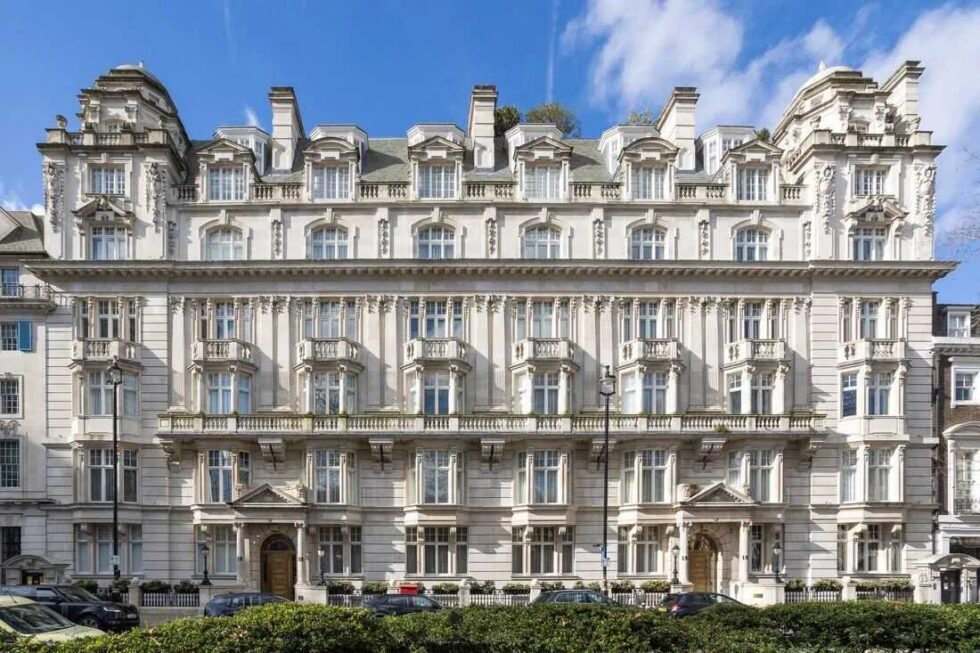
Prime Central London, encompassing districts like Kensington & Chelsea, Mayfair, and Belgravia, represents the pinnacle of global real estate. Investing here is less about achieving immediate rental yield and more about securing capital in a stable, internationally recognized market. Property in these areas is highly sought after by high-net-worth individuals and serves as a significant hedge against inflation and currency fluctuations. The market is defined by limited supply, high demand, and a prestige that ensures consistent, albeit slow, capital appreciation over decades. These properties are often seen as a store of wealth, passed down through generations.
The entry price is exceptionally high, and transactions are often private and complex, but for those with the capital, this sector offers unparalleled stability and international repute. The low rental yields are offset by the security of the investment and the potential for significant long-term capital growth.
Kensington & Chelsea: A Market for the Ultra-Rich
Investing in areas like Kensington & Chelsea is an exercise in long-term strategy, not a quick buy-to-let flip. The properties are typically period homes, grand townhouses, and luxury apartments in purpose-built blocks. The demand for these homes comes from a global elite seeking a safe haven for their assets and a prestigious address.
Key investment characteristics of these areas include:
- High Entry Price: Properties here are among the most expensive in the world, often costing millions of pounds.
- Limited Supply: Strict planning regulations and a finite amount of land ensure that supply remains constrained.
- Strong Capital Appreciation: While yearly growth may be modest, the historical trend shows significant long-term appreciation, making it a powerful wealth accumulator.
- Low Rental Yield: Rental income is a secondary consideration, as yields typically range from 2-3%, but the security of the tenant base is high.
These districts are not for those seeking quick profits or high cash flow. They are for the discerning investor who values security, prestige, and the preservation of wealth in a market that has historically proven its resilience.
East London Regeneration: Growth and High Rental Yields
East London has undergone a transformative regeneration over the last two decades, driven by major projects like the Olympic Park and the expansion of the financial district. Areas like Canary Wharf, Stratford, and the surrounding boroughs have shifted from being purely commercial or industrial to vibrant, mixed-use communities. This regeneration offers a compelling value proposition for investors, with the potential for both strong capital growth and attractive rental yields, which are often significantly higher than in prime central London. The ongoing development of new infrastructure, including the Elizabeth Line, has made these areas highly accessible, attracting a new wave of residents.
The investment risk is higher than in more established areas, but the potential for reward is substantial as these neighborhoods continue to mature. This makes them a prime target for buy-to-let investors looking for both cash flow and capital appreciation.
Stratford and Canary Wharf: A Comparison of Investment Potential
While both are in East London and benefit from new infrastructure, Stratford and Canary Wharf offer distinct investment profiles. Understanding the differences is crucial for aligning with an investor's goals.
| Area | Key Investment Driver | Typical Property | Rental Yield (approx.) |
| Stratford | Olympic legacy, transport links, retail hubs | New-build apartments, student accommodation | 4.0% - 5.5% |
| Canary Wharf | Financial hub, business centre, lifestyle amenities | Modern high-rise apartments | 3.5% - 4.5% |
These areas present a different risk-reward dynamic compared to the established market of prime London. The investment here is a bet on the continued growth of a revitalized London. Investors should consider their strategy carefully, balancing the high potential of Stratford's regeneration with the established stability of Canary Wharf's business core.
North and South London: The Rise of Commuter-Friendly Suburbs
The London property market extends well beyond the centre and East End. The boroughs of North and South London, including Islington, Battersea, and Wandsworth, have seen significant growth in recent years. Their appeal lies in a perfect blend of lifestyle, community, and connectivity. They attract a broad demographic, including young professionals and families who seek a more balanced living environment than the bustling city centre. The value proposition for investors is a combination of solid capital appreciation, driven by rising demand, and consistent rental income from a stable tenant base.
The ongoing Northern Line Extension and large-scale regeneration projects, like the revival of Battersea Power Station, have acted as powerful catalysts for growth in these areas, making them highly attractive for investment.
Battersea and Wandsworth: Tapping into Lifestyle-Driven Growth
Investing in these areas is about capitalizing on the demand for high-quality living in well-connected neighborhoods. These areas are a magnet for people who want to be close to Central London without living in the very heart of it.
Key investment drivers for these areas include:
- The Battersea Power Station Project: A massive regeneration that has transformed the area into a vibrant residential and retail hub.
- Northern Line Extension: This new transport link has significantly improved connectivity to the West End and City.
- Thames-side Living: The development of riverside apartments and walkways offers a desirable lifestyle.
- Family-Friendly Communities: Excellent schools, green spaces, and a strong community feel make these areas highly sought after by families.
These areas are a strong choice for investors who want to benefit from a blend of capital appreciation and solid rental income. They offer a strong proposition for long-term investors looking to tap into London's lifestyle-driven market growth.
Ultimately, London's property market offers a spectrum of investment opportunities, each tailored to a different financial strategy. The choice between prime central stability, East London's growth potential, and the commuter-friendly suburbs depends on an investor's individual goals, risk tolerance, and time horizon. Regardless of the chosen location, the city's enduring appeal, robust legal system, and consistent demand ensure that it remains one of the world's most secure and rewarding real estate markets. The key to success is thorough research and a clear understanding of the local dynamics that drive value in this global hub. This balanced approach to investing is what truly defines a successful London portfolio.
Read about the life of Westminster and Pimlico district, London and the world. 24/7 news with fresh and useful updates on culture, business, technology and city life: Where do UK pension funds invest: where billions are flowing in 2025.