Since the pandemic, London has seen a rapid rise in electric bikes used for food delivery, courier work and commuting, while complaints about fast-moving e-bikes on pavements, pedestrian crossings and busy high streets have grown across the capital, according to Transport for London and Metropolitan Police reports, The WP Times reports.
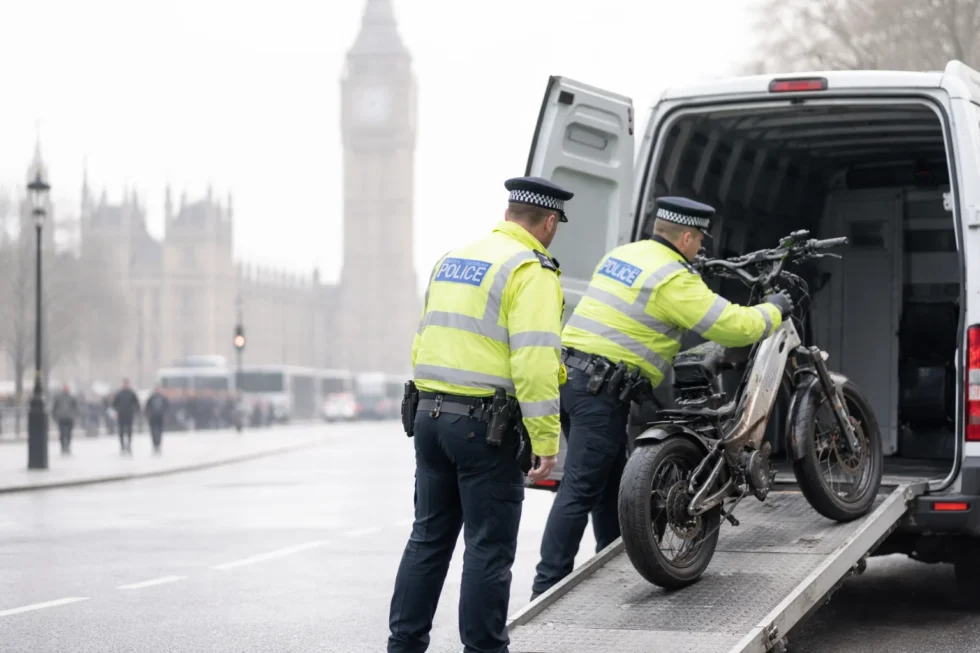
That pressure on London’s streets has now triggered a policy shift in Westminster. On Wednesday, 8 January 2026, the Government told police forces in London and across England to begin actively seizing e-bikes that are being ridden dangerously, illegally or at excessive speed — a move that marks the strongest intervention on electric bikes since they became mainstream in UK cities.
The instruction came as transport minister Lilian Greenwood unveiled the Government’s first national road-safety strategy in more than a decade, setting a target to cut deaths and serious injuries on Britain’s roads by 65% by 2035, after official data showed that the long-term decline in road fatalities has slowed since around 2010 despite safer vehicles and new infrastructure.
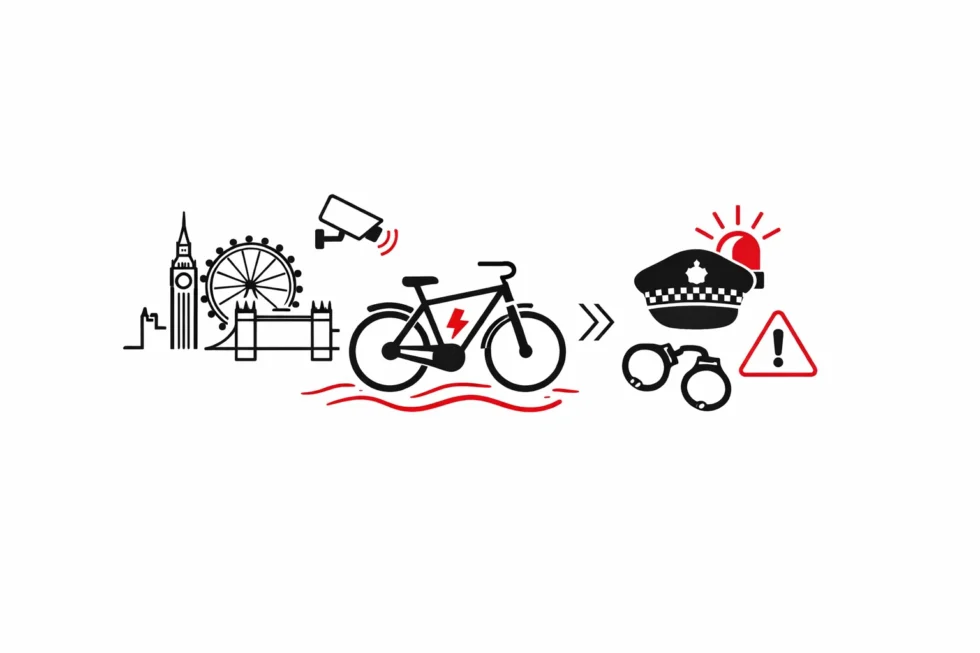
Greenwood said the rapid growth of e-bikes — particularly in major cities — has outpaced enforcement, leading to widespread misuse in shopping streets, transport hubs and shared public spaces. “Some of the people who are riding e-bikes will be riding illegal e-bikes,” she said, warning that many vehicles now in use are “effectively an electric motorbike”.
Why e-bikes have become a flashpoint in London
E-bike traffic in London has risen sharply since 2020 as food delivery platforms, courier firms and private commuters have shifted away from petrol vehicles and public transport. Companies such as Deliveroo, Uber Eats and Just Eat now depend on tens of thousands of electric bikes to operate across the capital, particularly in central and inner London. Transport for London data shows that micromobility traffic — including e-bikes and delivery cycles — increased by more than 50% between 2021 and 2025 in central London. During peak hours in the West End, City and major transport hubs, electric bikes now account for a significant share of all two-wheeled movements on the road network.
At the same time, the Metropolitan Police and London borough councils report a sustained rise in complaints about dangerous riding, especially on pavements, pedestrian crossings and cycle lanes. These include riders travelling at traffic speeds through shopping streets, crossing red lights and using pedestrian areas to avoid congestion.
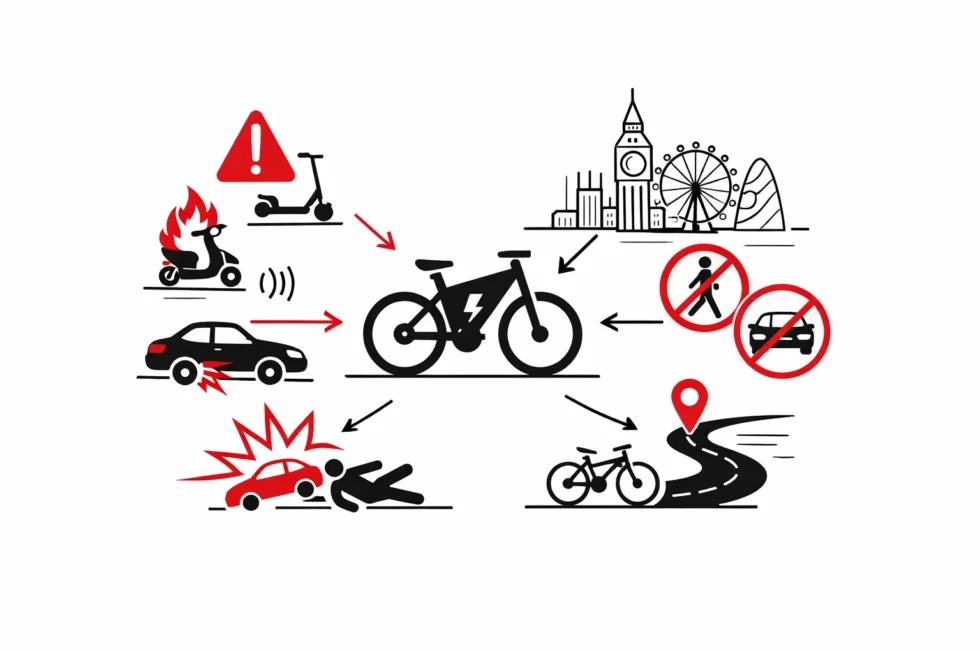
The issue has become particularly visible in late 2025 and early 2026, with repeated incidents reported in high-footfall locations such as Oxford Street, Soho and around major stations, where e-bikes have been filmed riding through green-man crossings and pedestrian zones at speed.
Transport officials say the combination of rising delivery demand, high-powered electric bikes and dense foot traffic has created one of the fastest-growing safety pressures on London’s streets — forcing ministers and police to intervene.
Government says enforcement has fallen behind reality
Transport minister Lilian Greenwood said this week that police enforcement has not kept pace with the way electric bikes are now being used on Britain’s streets. Speaking on LBC Radio, she confirmed that she had raised the issue directly with her local police force after seeing the scale of dangerous e-bike use in Nottinghamshire and in major cities, including London.
“I’ve been concerned that we are seeing some people riding e-bikes and e-scooters on pavements which they shouldn’t be, or riding at too great a speed,” Greenwood said.
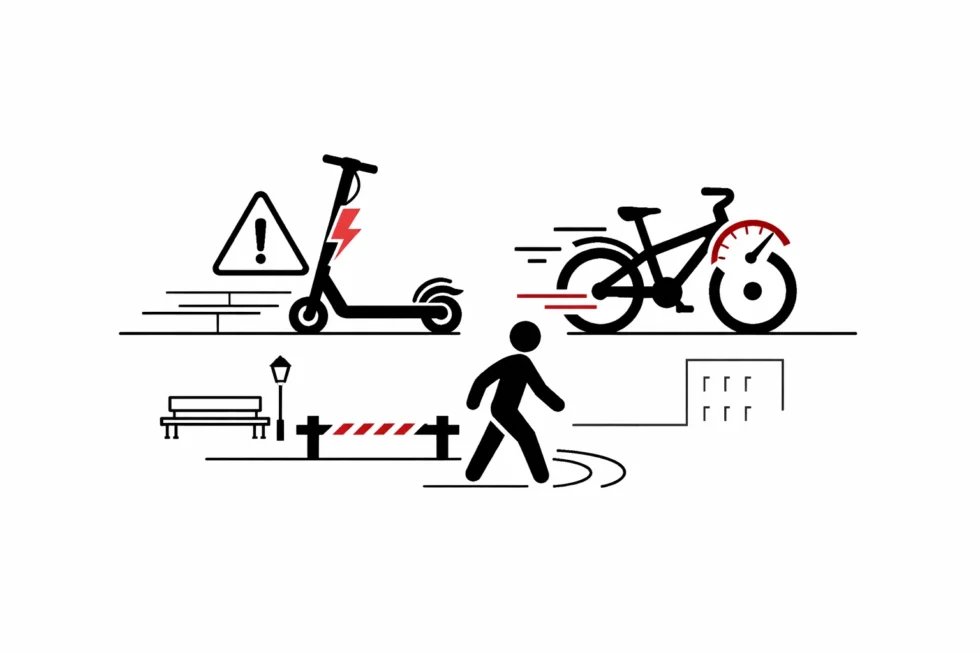
Ministers say the problem is not the growth of electric bikes themselves, but the way they are being deployed in dense urban areas. Delivery platforms, private riders and informal courier networks have increasingly shifted to high-powered electric bikes that can travel at road speeds, while still being used in cycle lanes, pedestrian crossings and shopping streets. Officials say this mismatch between how the vehicles are used and how streets are designed has created a safety gap that existing enforcement has failed to close — prompting the Government to push police forces to act more visibly against dangerous riding.
Part of a wider safety crackdown
The push to seize dangerous e-bikes is part of the Government’s most far-reaching reset of road-safety policy in more than a decade, driven by concern that Britain’s streets have become more dangerous as traffic has grown more complex. Alongside the e-bike crackdown, ministers are proposing a package of measures designed to reduce drink-driving, improve driver fitness and close enforcement gaps that have opened in recent years. The strategy includes plans to:
- cut the drink-drive limit for new drivers in their first two years to around 20mg per 100ml of blood
- reduce the limit for all other drivers by about half
- require some convicted drink-drivers to fit alcohol-ignition locks to their vehicles
- give police new powers to suspend driving licences where drink- or drug-driving is suspected
- introduce mandatory eyesight tests from age 70
- step up enforcement against uninsured vehicles and illegal number plates
Ministers say the package is designed to bring Britain closer to European road-safety standards while responding to a transport system now dominated by electric bikes, scooters, delivery fleets and app-based mobility — a mix that did not exist when most of the current rules were written.
E-bikes in London: what the police crackdown means
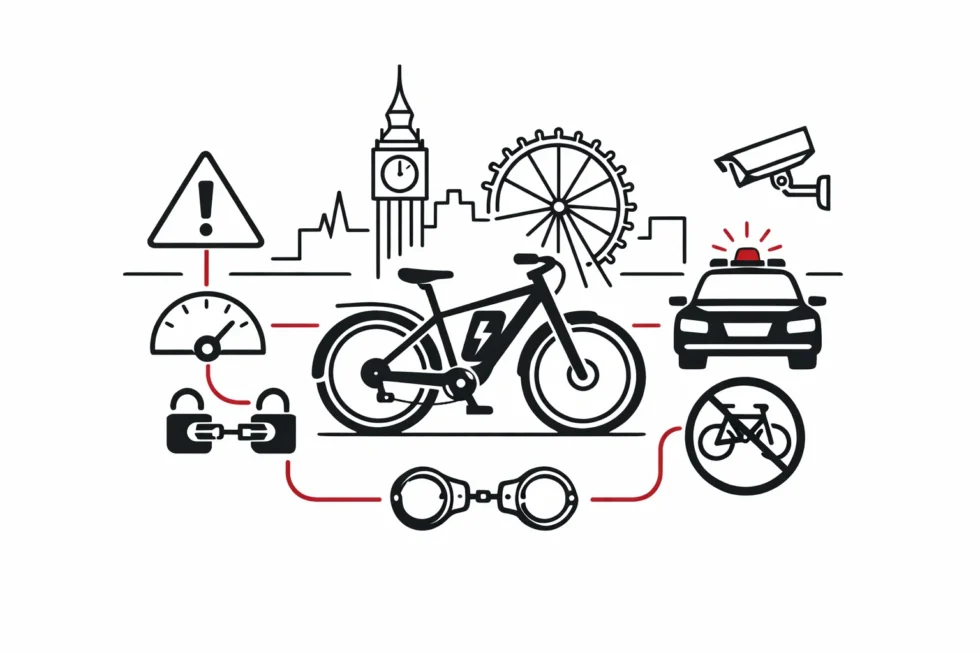
From January 2026, police in London have been told to actively stop and seize e-bikes that are being ridden dangerously, illegally or at high speed, after a surge in complaints about electric bikes on pavements, crossings and busy shopping streets. The move targets high-powered and modified e-bikes used by delivery riders and commuters in central London and forms part of the Government’s wider road-safety push to cut deaths and serious injuries by 65% by 2035.
Are e-bikes being banned?
No. The Government has not announced any ban on electric bicycles. What has changed in January 2026 is enforcement. Police forces have been instructed to actively intervene where e-bikes are being ridden dangerously, illegally or at high speed in public spaces.
Why has this become a priority now?
E-bike traffic in London has grown rapidly since the pandemic, driven by food delivery, courier services and rising transport costs. In central London, electric bikes now account for a significant share of all two-wheeled traffic. At the same time, councils and police have reported a sustained rise in complaints and near-miss incidents involving fast-moving e-bikes on pavements, pedestrian crossings and in busy retail areas.
What kind of e-bikes are being targeted?
The focus is on high-powered and modified electric bikes that travel at traffic speeds but are still being used in cycle lanes, pedestrianised streets and crossings. Ministers have said many of these vehicles are effectively operating as electric motorbikes, even though they look like bicycles.
Who is most affected?
Delivery riders, courier services and high-mileage commuters are most exposed, because these users operate in the parts of London where enforcement will be strongest — shopping streets, transport hubs and main cycling corridors.
Can police seize an e-bike?
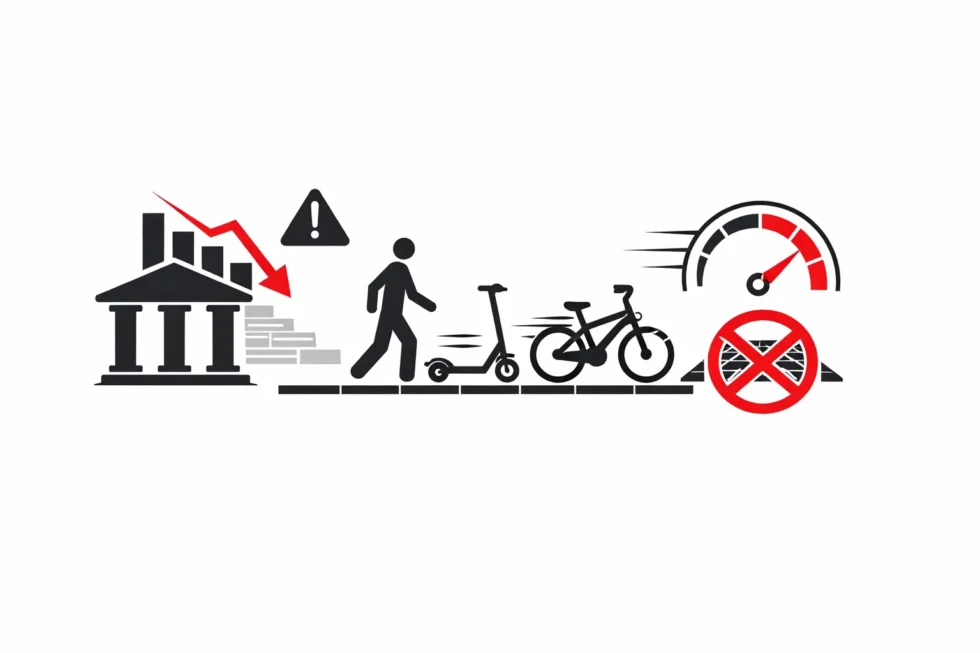
Yes. Ministers have confirmed that police already have the power to stop and remove e-bikes that are being used dangerously or illegally. That includes bikes ridden on pavements, through pedestrian crossings or at speeds that put others at risk.
Where will checks take place?
Enforcement will be concentrated in high-footfall and high-risk areas, including:
- West End and major shopping streets
- around mainline stations and Tube hubs
- busy cycle lanes and junctions
- pedestrianised and shared-space zones
When does this start?
Now. While the wider road-safety reforms will be consulted on during 2026, police have been instructed to begin acting immediately against dangerous e-bike use.
Read about the life of Westminster and Pimlico district, London and the world. 24/7 news with fresh and useful updates on culture, business, technology and city life: Why Is London Zipcar free parking being offered in 200 bays as Southwark tries to stop Zipcar leaving