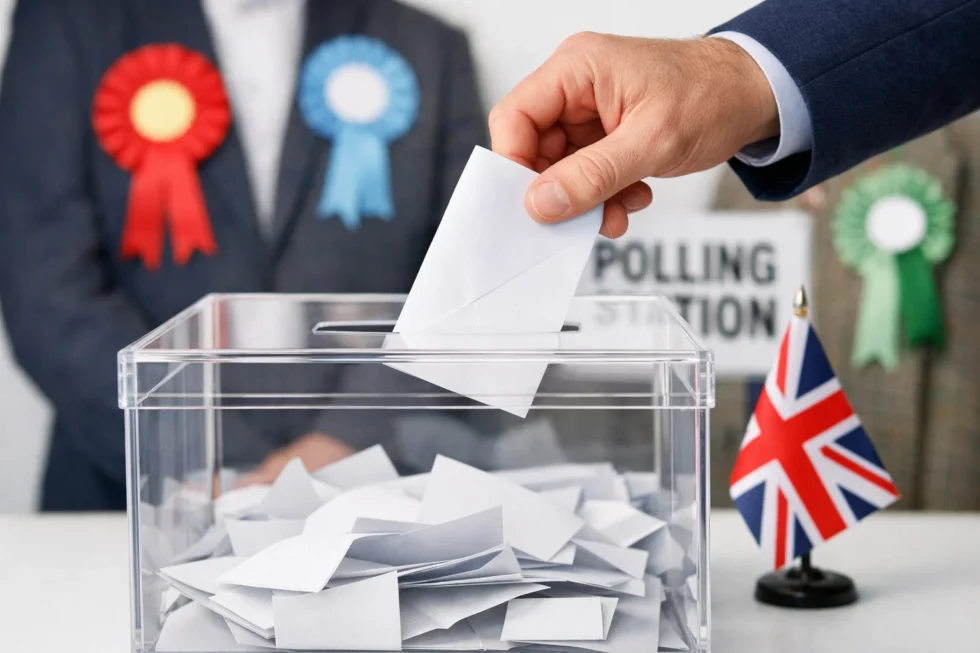
The British political landscape faces a seismic shift as England prepares for the May 7, 2026, local elections, a day that coincides with pivotal national votes in Scotland and Wales. For Prime Minister Keir Starmer and the Labour government, these elections represent a high-risk midterm referendum amid a fragmented electorate and an increasingly volatile international climate. With over 5,000 council seats contested across London boroughs, metropolitan districts, and unitary authorities, the results will serve as a definitive barometer of whether Labour’s "stability" narrative can withstand the simultaneous surge of Reform UK on the right and the Green Party on the left. The stakes are particularly high for local governance, as councils grapple with the rising costs of social care and infrastructure while voters use their ballots to express national frustrations. This is reported by The WP Times, via Guardian.
The Fragmented Electorate: Mapping the 2026 Breakthroughs
The 2026 local elections are defined by a "clash of animosities," where the traditional two-party system is being dismantled by insurgent forces. Nigel Farage’s Reform UK is no longer merely a pressure group; polling data from the first quarter of 2026 indicates they are the primary beneficiaries of Conservative disillusionment in the "Blue Wall" and are actively cannibalizing Labour’s working-class support in Northern heartlands like Sunderland and Barnsley. Conversely, the Green Party, under Zack Polanski, has successfully pivoted to court trade unions and disillusioned urban progressives, threatening Labour’s hegemony in London boroughs such as Hackney and Newham.
This fragmentation makes the 2026 results exceptionally difficult to forecast using traditional swing metrics. While the overall balance between "left" and "right" blocs remains statistically stable, the internal migration within those blocs is unprecedented. Labour is fighting a two-front war: defending its left flank from the Greens and its right flank from Reform UK, all while the Liberal Democrats consolidate their hold on affluent, anti-Tory suburban areas.
This "multi-party squeeze" suggests that even if Labour remains the largest party in terms of total seats, a significant loss of council control would severely undermine Starmer’s authority ahead of the 2027/28 general election cycle.
Economic Stability vs. Local Breakdown: The Campaign Narratives
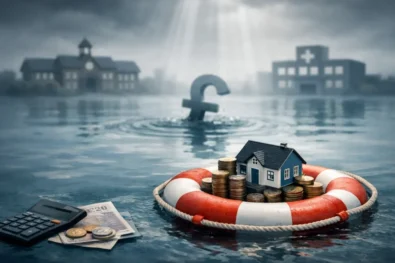
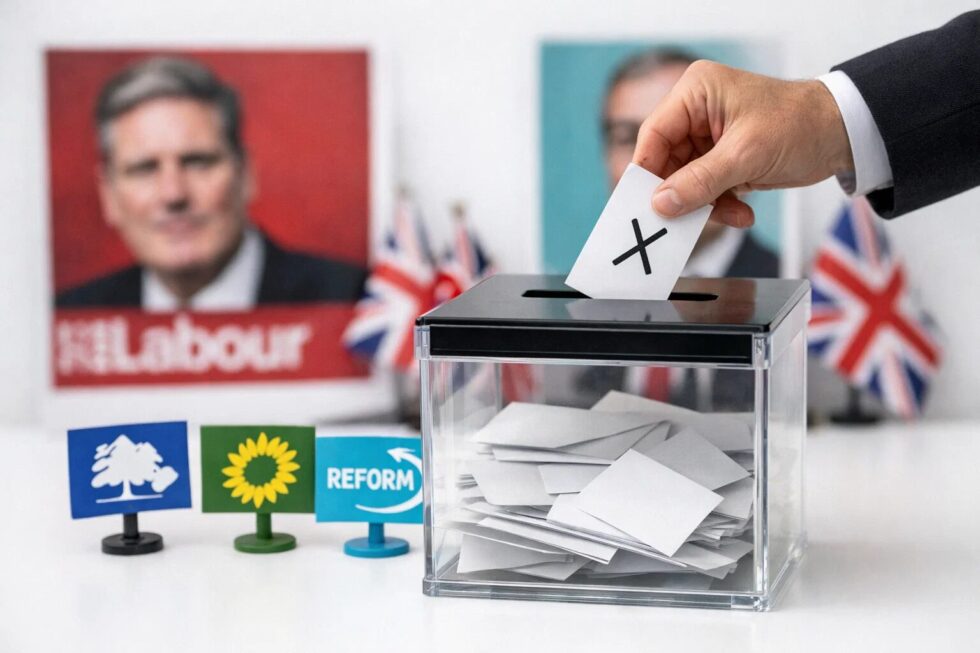
Labour’s central campaign pitch for 2026 focuses on "staying the course," highlighting incremental improvements in childcare subsidies and energy bill stabilization. However, this national narrative frequently clashes with the grim reality of local government finance. According to data from the Local Government Association (LGA), the funding gap for English councils is projected to reach £4.2 billion by the end of the 2026/27 financial year, driven largely by the soaring costs of statutory adult social care and children’s services. Voters often struggle to reconcile the Prime Minister’s talk of "stability" with the visible decay of local services, such as unrepaired potholes and reduced library hours.
Nigel Farage and Reform UK have seized upon this disconnect, framing the local elections as a rebellion against a "bankrupt Westminster consensus." Their platform focuses heavily on cutting "wasteful" diversity initiatives and redirecting funds toward frontline services and local policing. Meanwhile, the Greens argue that Labour has failed to provide a radical alternative to austerity, pushing for localized Green New Deal projects funded by a wealth tax—a message that resonates in metropolitan areas but faces skepticism in the more fiscally conservative shire counties.
| Political Party | Target Demographic (2026) | Key Campaign Pillar | Expected Impact Area |
| Labour | Moderate/Stability-seeking | "Stay the Course" / Security | London & Northern Cities |
| Conservatives | Traditionalist/Bellwether | Fiscal Responsibility | Westminster & Outer London |
| Reform UK | Disaffected Right/Working Class | Anti-Establishment / Policing | Essex, Midlands & North |
| Green Party | Progressive/Union Members | Social Justice / Climate Action | Hackney, Bristol & Islington |
| Liberal Democrats | Affluent Suburbanites | Community Services | "The Blue Wall" (South) |
Strategic Risks: The London Bellwethers and the "Farage Factor"
London serves as the ultimate 2026 battleground, with all 32 borough councils up for election. For Keir Starmer, London is not just a stronghold but a mirror of his party’s internal health. If Labour loses ground in "safe" seats like Lambeth or Waltham Forest to the Greens, it indicates a fundamental break with the progressive base. Simultaneously, Kemi Badenoch’s Conservatives are attempting a "clawback" strategy in traditional bellwethers like Westminster and Wandsworth, hoping to capitalize on local frustrations with the Ultra Low Emission Zone (ULEZ) expansions and council tax hikes.
The "Farage Factor" remains the most volatile element of the May vote. Unlike previous local elections where Reform (or UKIP) support was concentrated, the 2026 iteration shows Reform UK candidates standing in almost every metropolitan ward. This blanket coverage threatens to split the right-wing vote, potentially handing "split-ticket" victories to Labour in areas where they are actually losing support.
However, in the North-East, Reform is increasingly seen as the de facto opposition, a shift that Jessica Elgot notes could give the clearest indication yet of a permanent realignment in British politics.
For the average voter, the 2026 elections are more than a political statement; they are a decision on the quality of daily life for the next four years. Practical considerations for May 7 include:
- Voter ID Requirements: Under the Elections Act 2022, all voters must present a valid photo ID. Statistics from 2025 show that nearly 4% of potential voters were turned away in previous cycles due to lack of documentation; ensure you have a Voter Authority Certificate if necessary.
- The "Friday Count": Most English councils will not count ballots overnight on Thursday. Expect the bulk of results to emerge throughout Friday afternoon and into Saturday morning, particularly for metropolitan boroughs.
- Impact on Council Tax: Winners in these elections will set the 2027/28 council tax rates. With central government grants remaining stagnant, many newly elected councils will face the immediate "Risk of Section 114 Notices" (effectively bankruptcy) unless they implement significant cuts or maximum tax increases.
Post-Election Fallout: Reshuffles and the King’s Speech
Downing Street is already preparing for a "debacle" scenario. Strategic leaks suggest a potential cabinet reshuffle following the May 7 results, aimed at refreshing the government's image before the King’s Speech on May 13, 2026. Keir Starmer’s ability to weather a poor showing depends largely on his performance during the ongoing Middle East crisis; senior Labour figures hope that the public’s desire for "adult leadership" during international turmoil will insulate the Prime Minister from a full-scale backbench rebellion.
Ultimately, Labour is banking on the "Stop Farage" reflex to kick in during a general election. However, the 2026 local elections are a "free hit" for voters to express rage without the immediate consequence of changing the national government. If the breakthrough of Reform UK and the Greens is as substantial as polling suggests, the "unfamiliar territory" of 2026 may become the new permanent map of British democracy.
Frequently Asked Questions
Why are the 2026 local elections considered a "midterm referendum"?
Because they occur roughly halfway through the parliamentary term, allowing voters to pass judgment on Keir Starmer's government performance since taking office, specifically regarding the cost of living and the NHS.
What is a Section 114 notice?
It is a report issued by a council's chief financial officer when it appears the council cannot balance its budget. It effectively signals bankruptcy and prohibits all new spending except for statutory services like social care.
How will the Middle East crisis affect the vote?
Voters often prioritize international stability during times of war, which may help Starmer. However, specific demographics may desert Labour if they disagree with the government's foreign policy stance, benefiting the Greens.
Who is Zack Polanski and why is he relevant?
He is the leader of the Green Party of England and Wales. In 2026, his relevance has surged as he successfully targets traditional Labour-affiliated trade unions for funding and support.
Will Reform UK win any councils?
While winning an entire council is difficult under the First-Past-The-Post system, Reform UK is expected to win enough seats to hold the "balance of power" in several hung councils in the Midlands and North.
Is Nigel Farage standing as a candidate?
While Farage leads Reform UK and influences the national campaign, his focus is on the 2027/28 General Election; the local elections feature thousands of local Reform candidates running on his platform.
Read about the life of Westminster and Pimlico district, London and the world. 24/7 news with fresh and useful updates on culture, business, technology and city life: London elections on 7 May 2026: who can vote, voter ID rules and what Londoners need to know before polling day