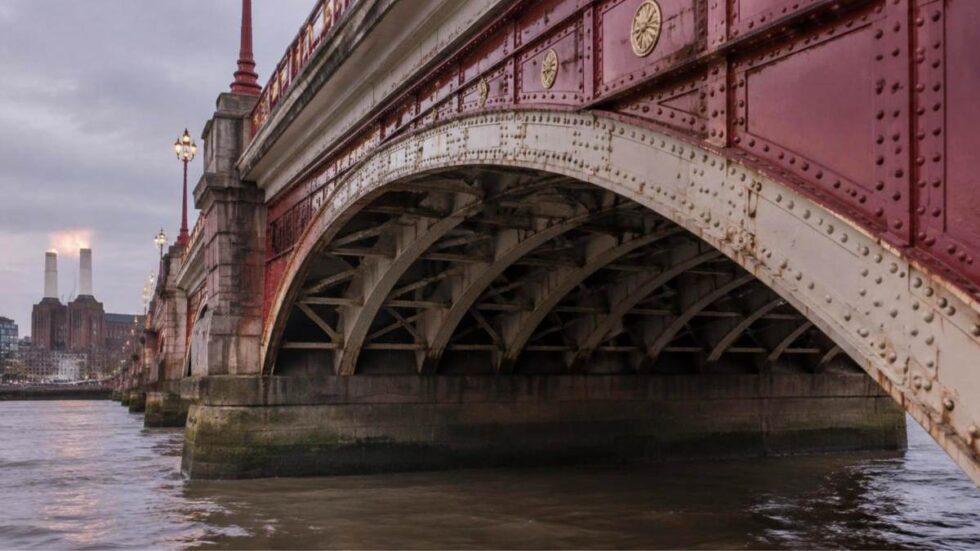
Vauxhall Bridge, the busiest road crossing in central London and the link between Pimlico and Vauxhall, could have to close to buses and fire engines within two to four years unless about £60m is spent on repairs, Transport for London warned on Wednesday 18 November 2026. In a bid to the Department for Transport's £1bn Structures Fund, TfL says water has got into the 120-year-old Grade II* listed bridge, corroding steelwork that is now in "very poor condition", and that without intervention a 7.5-tonne weight limit would be needed by 2030, followed by a full closure to all vehicles within four to ten years, reports The WP Times.
The stakes for Westminster are direct. About 44,000 vehicles cross the bridge each day, including roughly 2,450 buses and 1,850 heavy goods vehicles, and six daytime bus routes use it to reach Victoria and Pimlico from Vauxhall bus station, the second-busiest bus interchange in London. An 18-tonne weight limit has applied since July to slow the deterioration, but buses and fire engines are exempt; a 7.5-tonne limit would remove them too, pushing traffic onto Lambeth Bridge and Westminster Bridge, both of which TfL itself rates as being in "very poor" condition. The Department for Transport has said successful bids to the fund will be announced in the autumn, and the works it pays for must be deliverable by March 2030.
Why could Vauxhall Bridge close to buses?
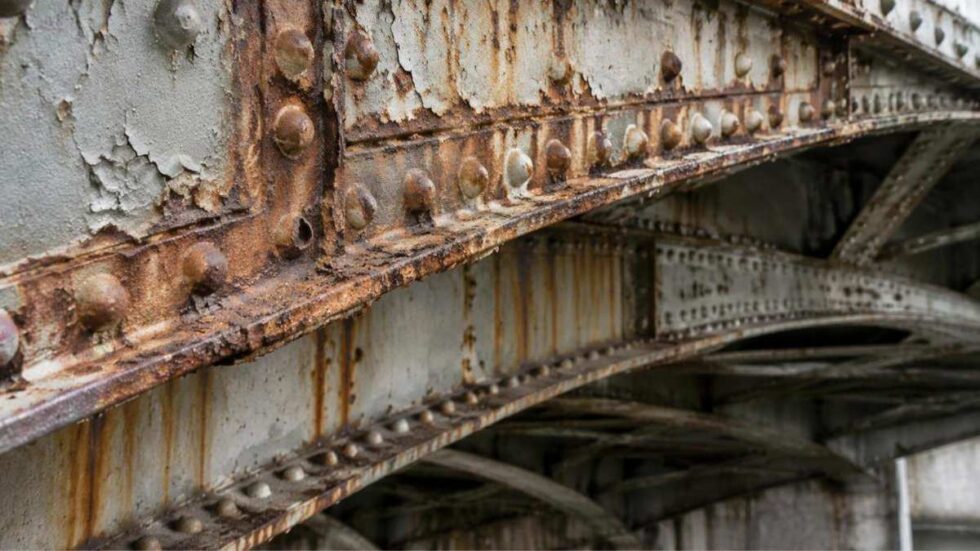
The problem lies underneath the road deck. TfL renewed the bridge's waterproofing in 2020, but its submission to the Department for Transport says water ingress had already taken hold and the steelwork on the underside has deteriorated significantly since. Key structural elements are described as being in very poor condition, and fascia panels on the side of the bridge are at risk of coming loose and falling into the Thames, a hazard to river traffic passing beneath.
Weight limits are the tool engineers use to buy time. The 18-tonne restriction introduced in July keeps the heaviest lorries off the bridge, while still allowing buses and emergency vehicles to cross. TfL's warning is that the structure will continue to weaken, and that within two to four years even that compromise will no longer be safe. At that point a 7.5-tonne limit would bar buses, coaches and many emergency vehicles, and if the main repairs still had not been carried out, the bridge would have to close to all traffic by about 2036.
| Date or window | Measure | Effect on traffic |
|---|---|---|
| 1906 | Bridge opens | Steel arch crossing between Pimlico and Vauxhall |
| 2020 | Waterproofing renewed | Did not stop corrosion of steelwork |
| 2023 | Abnormal loads banned | Vehicles over 44 tonnes or 11.5 tonnes per axle barred |
| July 2026 | 18-tonne weight limit | Heavy lorries diverted, buses and fire engines exempt |
| Autumn 2026 | DfT Structures Fund decision | Decides whether £60m works can start |
| Within 2 to 4 years, unfunded | 7.5-tonne limit, by 2030 | Buses, coaches and many emergency vehicles barred |
| Within 4 to 10 years, unfunded | Full closure, by about 2036 | No motor vehicles |
What TfL and the Mayor said
TfL's director of investment planning made the case for the bid in direct terms. He told BBC London that the waterproofing had "failed" and that deterioration would continue without action, and argued that the transport authority could not fund work on this scale alone.
"We will see progressive deterioration unless action is taken, which is why these bids are so important for us" (David Rowe, director of investment planning at Transport for London, speaking to BBC London on 18 November 2026).
Rowe said it would be "not fair" to criticise TfL for the state of its structures and that the authority needed "support alongside what we can bring". If the bid fails, he said, TfL would have to look very carefully at where it prioritises its renewals. The Mayor of London, Sadiq Khan, blamed the backlog on national politics, telling the BBC that the city had struggled with its bridges because of what he called "anti-London governments in eight of my last 10 years". TfL lost its government operating grant in 2018, and the pandemic cut its fare income sharply from 2020.
How many buses and vehicles use Vauxhall Bridge?
Vauxhall Bridge carries more traffic than any other bridge in central London. TfL's latest submission puts the figure at 44,000 vehicles a day, up from an estimate of 39,500 published in July when the 18-tonne limit was introduced. Buses make up a significant share: about 2,450 bus journeys cross every day, feeding Vauxhall bus station at the south end, where passengers change between buses, the Victoria line and South Western Railway services.
On the north bank, the bridge leads straight into Vauxhall Bridge Road, Millbank and Grosvenor Road, the main routes into Pimlico, Victoria and Westminster. For residents of Pimlico, the crossing is the shortest way south, and for London Fire Brigade appliances it is one of the main routes between stations either side of the river.
- About 44,000 vehicles a day, according to TfL's November 2026 submission.
- About 2,450 buses and 1,850 heavy goods vehicles a day.
- Six daytime bus routes, among them the 2, 36, 185 and 360, plus night routes.
- Vauxhall bus station at the south end, London's second-busiest bus interchange.
- Direct links to Vauxhall Bridge Road, Millbank, Grosvenor Road and Victoria.
- Fire engines currently exempt from the 18-tonne limit.
What a 7.5-tonne limit would mean for passengers
- Bus routes crossing the bridge would have to be diverted or split at the river.
- Diversions would most likely run via Lambeth Bridge or Chelsea Bridge, adding journey time.
- Passengers changing at Vauxhall for Victoria could need an extra bus or a Tube journey.
- Coaches serving Victoria Coach Station from the south would need alternative routes.
What it would mean for emergency services
- Many fire engines exceed 7.5 tonnes and would be barred from the crossing.
- Response routes between Lambeth and Westminster would lengthen.
- Ambulances under the limit could continue to cross.
Which other London bridges are in poor condition?
Vauxhall is not an isolated case. According to TfL's own ratings, released under a Freedom of Information request, three of the seven Thames road bridges it manages are in very poor condition: Vauxhall, Lambeth and Westminster. Four others, Twickenham, Kew, Chiswick and Battersea, are rated poor. That means the two most obvious diversion routes for buses barred from Vauxhall are themselves on the list of structures TfL considers most in need of work.
Elsewhere, Albert Bridge in Kensington and Chelsea has been closed to vehicles since February, and Hammersmith Bridge, owned by Hammersmith and Fulham Council rather than TfL, has been shut to motor traffic since April 2019, with plans to reopen it to cars dropped over a £300m cost. Richmond Bridge has an 18-tonne restriction, and the Croydon Flyover, used by about 40,000 vehicles a day, is described by TfL as being in a critical state of deterioration from water damage.
| Structure | Borough | Current status |
|---|---|---|
| Vauxhall Bridge | Westminster and Lambeth | 18-tonne limit, rated very poor |
| Lambeth Bridge | Westminster and Lambeth | Open, rated very poor |
| Westminster Bridge | Westminster and Lambeth | Open, rated very poor |
| Battersea Bridge | Kensington and Chelsea, Wandsworth | Open, rated poor |
| Albert Bridge | Kensington and Chelsea | Closed to vehicles since February |
| Hammersmith Bridge | Hammersmith and Fulham | Closed to motor traffic since April 2019 |
| Richmond Bridge | Richmond upon Thames | 18-tonne limit |
| Croydon Flyover | Croydon | 30mph limit, critical deterioration |
How much money does TfL need?
The £60m for Vauxhall Bridge is roughly equal to two years of TfL's entire planned budget for renewing its structures, which runs at about £30m a year. More broadly, TfL spends around £860m a year maintaining its whole network, from roads and bridges to the Tube, while its own estimate is that it should be spending between £1.1bn and £1.2bn. The difference has built into a renewals backlog estimated at £6.5bn, figures set out in London Assembly Transport Committee documents published in September.
TfL submitted 13 schemes to the Structures Fund with a combined cost of more than £400m, and has identified six as its highest priority. Vauxhall Bridge and the Croydon Flyover are the two largest. The fund, launched by the Department for Transport in April with £1bn to share across England, is aimed at repairs that local highway authorities cannot afford on their own.
- £60m: estimated cost of the Vauxhall Bridge renewal.
- £30m a year: TfL's structures renewal budget.
- £860m a year: TfL's total maintenance spend across its network.
- £1.1bn to £1.2bn a year: what TfL says it should spend.
- £6.5bn: TfL's estimated renewals backlog.
- £1bn: total size of the DfT Structures Fund.
- Over £400m: cost of all 13 TfL schemes submitted.
TfL's six highest-priority structures
- Albert Bridge, Kensington and Chelsea, closed to vehicles since February.
- Broadmead Bridge, Redbridge, closed since July 2023.
- Croydon Flyover, Croydon.
- Hubert Grove Footbridge, Lambeth, closed since November 2023.
- Richmond Bridge, Richmond upon Thames, 18-tonne restriction.
- Vauxhall Bridge, Westminster and Lambeth, 18-tonne restriction.
When the decision is due
- The DfT has said successful bids will be announced in the autumn.
- Funded works must be deliverable by March 2030.
- If the bid fails, TfL says it will have to reprioritise its renewals programme.
What it means for Pimlico and Westminster residents
For now, nothing changes for people crossing the bridge: buses, cars, cyclists and pedestrians can all use it, and the 18-tonne limit only affects heavy lorries. The practical risk is in the medium term. If the money is not found and a 7.5-tonne limit is imposed, bus routes linking Pimlico and Victoria with Vauxhall would be cut back or rerouted, and traffic displaced from Vauxhall would add to congestion on Millbank, Lambeth Bridge and Grosvenor Road, roads already busy at peak times.
Repair work, if funded, would itself bring disruption. Major steelwork renewal on a river bridge usually requires lane closures and temporary traffic management over many months, and TfL has not yet published a programme for how the work would be phased. Residents and businesses can follow updates through TfL's road works notices and through Westminster City Council, which is responsible for the streets on the north side of the bridge.
| If the bid succeeds | If the bid fails |
|---|---|
| £60m renewal of steelwork and fascia panels | Continued deterioration of steelwork |
| Works must be deliverable by March 2030 | 7.5-tonne limit by about 2030 |
| Likely lane closures during works | Buses and fire engines barred within 2 to 4 years |
| Bridge stays open to buses long term | Full closure to vehicles by about 2036 |
Practical points for drivers and businesses now
- Vehicles over 18 tonnes must already use another crossing; signs are posted on both approaches.
- Abnormal loads over 44 tonnes, or 11.5 tonnes per axle, have been banned since 2023.
- Delivery firms serving Pimlico from the south should plan routes via Chelsea Bridge or Lambeth Bridge for heavy vehicles.
- Coach operators using Victoria Coach Station should check weight limits on every Thames crossing they use.
How residents can follow the decision
- TfL publishes road and bridge restrictions on its live traffic and road works pages.
- The London Assembly Transport Committee scrutinises TfL's renewals budget in public meetings.
- Westminster City Council and Lambeth Council are consulted on any traffic management during works.
- Local MPs and Assembly members can raise questions with the Mayor and the Department for Transport.
Why London's bridges keep failing
London's road bridges were mostly built in the late 19th and early 20th centuries for horse-drawn traffic and early motor vehicles, and they now carry loads their designers never anticipated. Water is the common enemy: once it reaches structural steel, corrosion advances out of sight, and by the time weight limits are needed the cost of repair has multiplied. Engineers describe the pattern as a cycle of deferred maintenance, in which budgets that are too small to keep up with routine renewal lead to larger, more expensive interventions later.
The financial picture explains why the cycle continues. TfL's annual maintenance spending falls several hundred million pounds short of its own assessment of need, and a single bridge renewal can consume two years of its structures budget. Central government funding, through bids such as the Structures Fund, has become the main way large schemes are paid for, which means repairs depend on competitive rounds and national spending decisions rather than a steady programme.
- Albert Bridge: closed to vehicles since February.
- Hammersmith Bridge: closed to motor traffic since April 2019, car reopening plans dropped over a £300m cost.
- Broadmead Bridge, Redbridge: closed since July 2023.
- Hubert Grove Footbridge, Lambeth: closed since November 2023.
- Vauxhall and Richmond bridges: 18-tonne limits.
Background: Vauxhall Bridge and London's ageing crossings
The present Vauxhall Bridge opened in 1906, replacing an earlier iron bridge of 1816 that had been the first to cross the Thames at this point. Its steel arches carry eight large bronze figures on the piers, representing subjects such as agriculture, architecture, engineering and the fine arts, and it was listed for its architectural and historic interest. It sits between Lambeth Bridge downstream and Grosvenor railway bridge and Chelsea Bridge upstream, with MI6's headquarters at the southern end.
The warning comes after years of debate over how London pays for its infrastructure. Hammersmith Bridge's closure in 2019 became a symbol of the problem, and in recent months TfL has introduced weight limits on several crossings as a holding measure. For more on how central London's transport is changing, see our reports on the Congestion Charge in 2026, London Tube strikes this winter and the Piccadilly line strike this weekend.
Vauxhall Bridge: frequently asked questions
Is Vauxhall Bridge closed?
No. Vauxhall Bridge is open to buses, cars, cyclists and pedestrians. Since July an 18-tonne weight limit has kept the heaviest lorries off it.
When could Vauxhall Bridge close to buses?
TfL says within two to four years if about £60m of repairs are not funded, with a 7.5-tonne limit expected by 2030.
Could Vauxhall Bridge close completely?
TfL says that without major work it could have to close to all vehicles within four to ten years, by about 2036.
Why is Vauxhall Bridge in poor condition?
Water has got into the structure, corroding the steelwork on the underside despite waterproofing renewed in 2020.
How many vehicles use Vauxhall Bridge?
About 44,000 vehicles a day, including around 2,450 buses and 1,850 heavy goods vehicles, according to TfL.
Which bus routes cross Vauxhall Bridge?
Six daytime routes, including the 2, 36, 185 and 360, connecting Vauxhall bus station with Pimlico and Victoria, plus night services.
Who decides on the funding?
The Department for Transport, through its £1bn Structures Fund. It has said successful bids will be announced in the autumn.
Are other Westminster bridges at risk?
TfL rates Lambeth Bridge and Westminster Bridge as being in very poor condition, alongside Vauxhall, although neither currently has a weight limit.
More London news, travel updates and Westminster guides from The WP Times. Read also: West End Live funding under threat, London's most dangerous junctions for cyclists, London Tube strikes winter 2026 and rough sleeping in Westminster.
Sources used: Transport for London, Department for Transport, BBC London, Evening Standard, London Assembly Transport Committee, ITV News, Historic England.