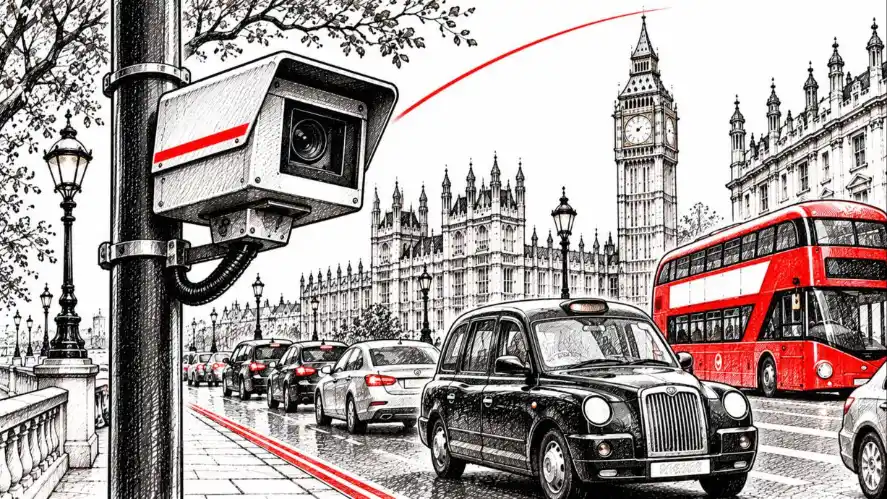
The congestion charge 2026 rules have made driving into central London more expensive than at any point since the scheme began, with the daily charge rising from £15 to £18 on 2 January 2026 and electric vehicles paying for the first time after their full exemption ended on 25 December 2025. Under the changes confirmed by Transport for London, the late payment charge rises to £21, electric cars registered for Auto Pay receive a 25% discount, electric vans and lorries a 50% discount, and those discounts fall to 12.5% and 25% from 4 March 2030. Residents of the zone keep their 90% discount, but from 1 March 2027 new applicants will only qualify if they drive an electric vehicle, while electric car-club vehicles receive a new 100% discount. For Westminster and Pimlico, which sit largely inside the zone, the changes affect commuters, tradespeople, carers and residents alike, alongside emissions-based parking charges and a new multi-app system for paying at the kerbside, as the Westminster newsroom of The WP Times reports.
The congestion charge applies from 7am to 6pm on weekdays and from noon to 6pm at weekends and on bank holidays, with no charge between Christmas Day and New Year's Day. Mayor of London Sadiq Khan argued that without changes, around 2,200 more vehicles would use the zone each day, adding to congestion and slowing buses. TfL says the charge is designed to keep traffic levels down rather than to raise money, although revenue is reinvested into the transport network. In Westminster itself, parking is charged according to a vehicle's CO2 emissions, a policy introduced in April 2024 that also brought electric cars into paid parking and permit charges. Drivers now have a choice of three apps, RingGo, JustPark and PayByPhone, under a scheme the council says ends the subsidy of transaction costs by residents. Taken together, a weekday visit to the West End by car can easily cost more than £30 before fuel, which is why many residents and visitors now compare the full cost with public transport, cycling or car clubs before setting off.
Contents
Congestion charge 2026: what changed
The changes are the biggest since the charge was introduced in 2003. They followed a public consultation by TfL and were confirmed in 2025.
The new charges at a glance
| Item | Before | From 2 January 2026 |
|---|---|---|
| Daily charge | £15 | £18 |
| Late payment, by midnight on the third day | £17.50 | £21 |
| Electric cars with Auto Pay | exempt | 25% discount |
| Electric vans and HGVs with Auto Pay | exempt | 50% discount |
| Electric car-club vehicles | exempt | 100% discount |
| Residents' discount | 90% | 90%, EV only for new applicants from 1 March 2027 |
Who still gets a discount or exemption
- Residents living inside the zone, with a 90% discount when registered.
- Blue Badge holders, who can register up to two vehicles for an exemption.
- Vehicles with nine or more seats that are licensed as buses.
- Licensed London taxis, and private hire vehicles that are wheelchair accessible.
- Some NHS staff and patients who meet TfL's reimbursement criteria.
Why the congestion charge 2026 rose
TfL and City Hall said the increase was needed because traffic had crept back up after the pandemic and because the growth of electric cars meant the exemption no longer kept vehicle numbers down.
"sticking to the status quo would see around 2,200 more vehicles using the congestion charging zone"
(Sadiq Khan, Mayor of London, on the changes to the congestion charge, Transport for London)
Traffic and buses
Slower traffic in the zone makes bus journeys longer and less reliable. TfL says keeping traffic levels down protects bus speeds, cycling safety and air quality in central London, including Westminster's busiest corridors such as Victoria Street, Whitehall and the Strand.
Electric vehicles and the end of the exemption
The Cleaner Vehicle Discount, which allowed many electric cars to drive in the zone without paying, ended on 25 December 2025. Electric car owners must now register for Auto Pay to receive the discount, otherwise they pay the full £18.
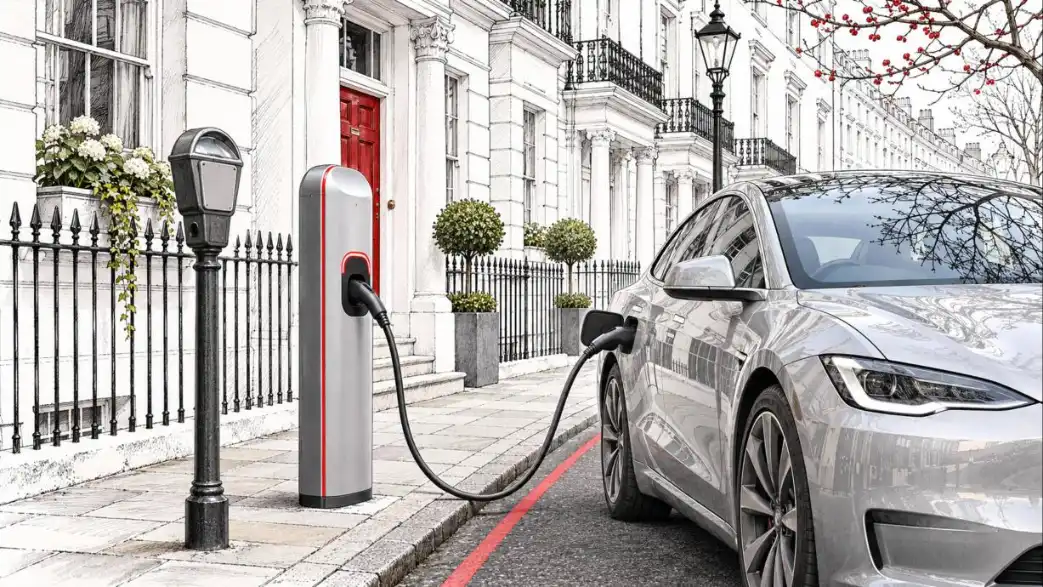
Parking in Westminster in 2026
Parking is a separate cost from the congestion charge. Westminster City Council sets kerbside charges and resident permits, and its rules differ from those of neighbouring boroughs.
Emissions-based charges
- Pay-to-park tariffs and resident permits in Westminster are banded according to a vehicle's CO2 emissions.
- The policy, introduced in April 2024, also brought electric cars into paid parking and resident permit charges.
- At the time, the council said electric vehicle pay-to-park rates ranged from 8p an hour in Paddington to 24p an hour in the West End.
- Permits covering two vehicles were reduced to one, with charges for registering a second or third vehicle.
Paying with three apps
Drivers in Westminster can pay for parking through RingGo, JustPark or PayByPhone. The council says residents previously paid about £1.2 million a year through council tax to cover parking transaction costs, although only 4% of sessions were made by local drivers.
"We're proud to launch this new parking scheme, which offers more choice for drivers and a better deal for residents."
(Councillor Max Sullivan, Westminster City Council, on the multi-app parking scheme, as reported by GB News)
How to pay and avoid penalties
Most penalties under the congestion charge 2026 rules come from forgetting to pay. Registering for Auto Pay is the simplest way to avoid them.
Paying the charge
- Pay online through the TfL congestion charge page, by phone or with Auto Pay.
- You can pay in advance, on the day or by midnight on the third charging day after travel at the higher £21 rate.
- Auto Pay accounts are charged monthly and are required for electric vehicle discounts.
- Beware of unofficial websites that charge extra fees for paying on your behalf.
Penalty charge notices
If the charge is not paid, TfL issues a penalty charge notice, which is reduced if paid within 14 days. Drivers can challenge a notice online if they believe it was issued in error, for example because the vehicle was exempt or registered.
Congestion charge, ULEZ and costs combined
The congestion charge is separate from the Ultra Low Emission Zone, which covers all London boroughs and applies 24 hours a day, every day except Christmas Day. A non-compliant car entering the centre on a weekday could pay both.
Example costs for a weekday trip
| Cost | Amount |
|---|---|
| Congestion charge, paid on the day | £18 |
| ULEZ for a non-compliant car | £12.50 |
| Parking in the West End | varies by street, time and emissions band |
Alternatives
For many journeys into Westminster, the Underground, buses, Santander Cycles or a car club can be cheaper. Electric car-club vehicles are now fully exempt from the congestion charge 2026 rules.
Congestion charge 2026: questions and answers
How much is the congestion charge in 2026
£18 a day if paid in advance or on the day, or £21 if paid by midnight on the third charging day after travel.
Do electric cars pay the congestion charge
Yes. Since 25 December 2025 electric cars pay, with a 25% discount when registered for Auto Pay.
What are the congestion charge hours
7am to 6pm on weekdays and noon to 6pm at weekends and on bank holidays. There is no charge between Christmas Day and New Year's Day.
Can residents still get a discount
Yes, residents inside the zone keep a 90% discount. From 1 March 2027 new applicants must drive an electric vehicle.
How do I pay for parking in Westminster
Through RingGo, JustPark or PayByPhone, with charges based on the street, time and the vehicle's emissions.
Background: two decades of the congestion charge
The congestion charge was introduced by Ken Livingstone in February 2003 at £5 a day. It rose to £8 in 2005, £10 in 2011, £11.50 in 2014 and £15 in 2020, before reaching £18 in January 2026.
For current travel disruption, see our guide to London tube closures from 9 November, and for Remembrance weekend road changes our report on Whitehall road closures.
Sources used: Transport for London, Greater London Authority, Westminster City Council, GB News, MyLondon, LocalGov