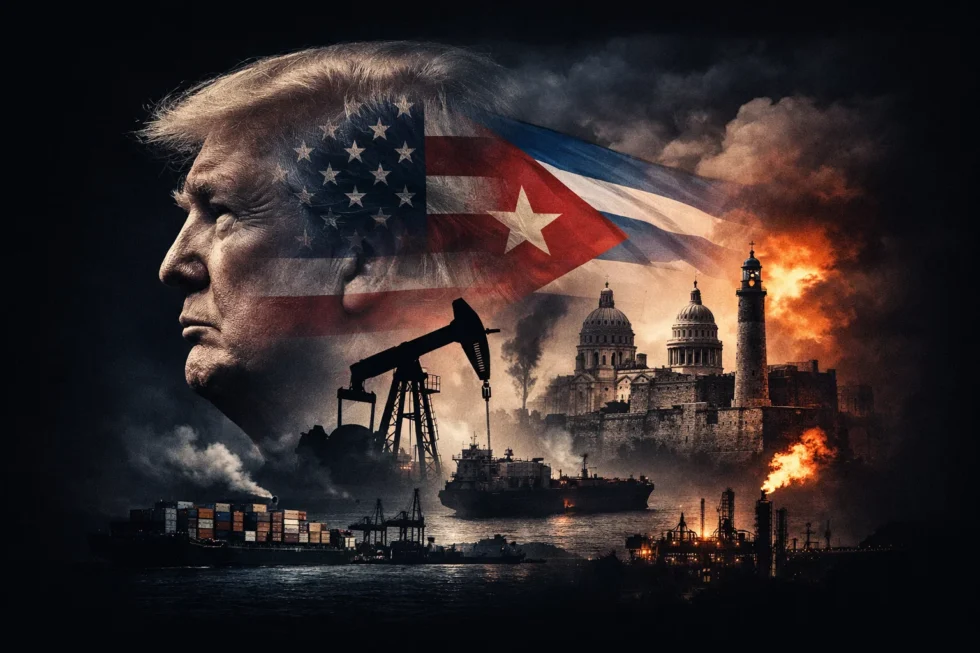
On 29 January 2026, US President Donald Trump declared a national emergency with respect to Cuba, accusing Havana of posing an “unusual and extraordinary threat” to American national security and foreign policy, reports The WP Times, citing an official statement released by the White House.
The move, formalised through an executive order published the same day and entering into force on 30 January, grants the US administration broad legal authority to escalate economic pressure not only on Cuba itself, but also on third countries that “directly or indirectly” supply the island with crude oil or petroleum products — opening the door to punitive tariffs with potential global trade implications. In the document, Mr Trump describes the Cuban government as a hostile actor aligned with “adversarial states and terrorist organisations”, naming Russia, China, Iran, Hamas and Hezbollah. He argues that Havana’s security and intelligence ties represent a direct challenge to US interests in the Western Hemisphere.
“The United States has zero tolerance for the depredations of the communist Cuban regime,” the order states. “The United States will act to protect its foreign policy, national security and national interests.”
According to the executive order, Cuba hosts Russia’s largest overseas signals intelligence facility, which Washington claims is attempting to steal sensitive US national security information. The document also accuses Havana of deepening military and intelligence cooperation with Beijing. The order further alleges systematic human rights abuses, including the persecution and torture of political opponents, suppression of free speech and press, and retaliation against families of political prisoners. Cuban authorities are also accused of restricting internet access and harassing civil society organisations.
While outlining the punitive measures, Mr Trump said the United States “remains committed to supporting the Cuban people’s aspirations for a free and democratic society”, drawing a distinction between the Cuban population and the country’s leadership.
How the tariff mechanism would work
Under the new framework, the US Secretary of Commerce will determine whether a foreign country is supplying oil to Cuba, either directly or through intermediaries. If confirmed, the Secretary of State will recommend the level of additional tariffs, with the final decision resting with the president.
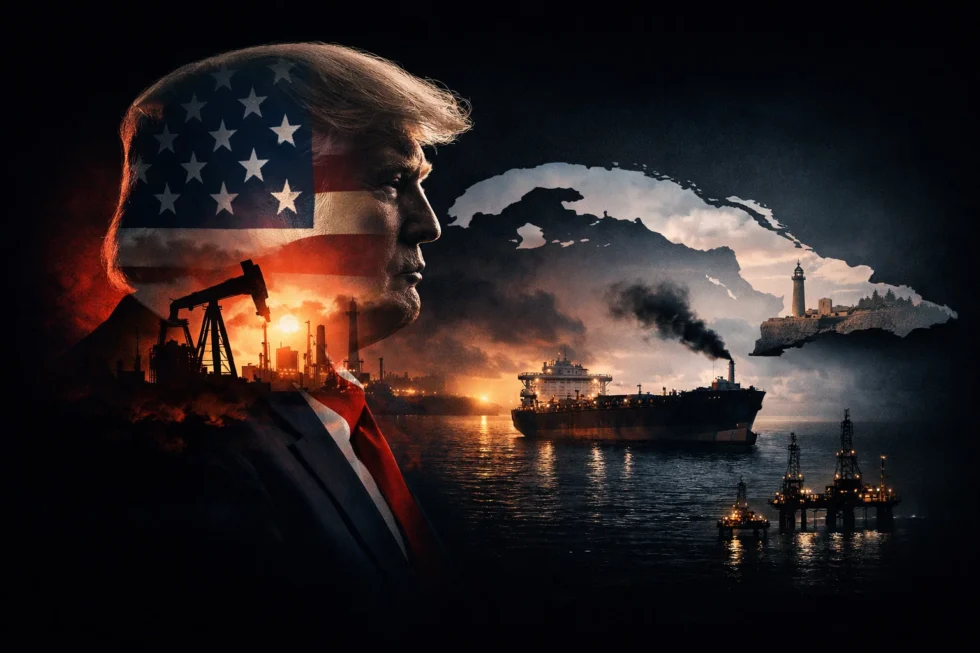
The tariffs would apply to imported goods from the offending country, significantly raising the stakes for states involved in Cuba’s energy supply chain. The order also allows for escalation if affected countries retaliate, or for modification should Cuba or its partners “align sufficiently” with US security interests.
Economic pressure intensifies
The move comes amid growing reports of acute fuel shortages on the island. According to the Financial Times, Cuba may have enough oil reserves for only 15 to 20 days, increasing the risk of power cuts, transport disruptions and further economic instability. Images published by Reuters earlier this month showed long queues of Cuban taxi drivers waiting for fuel in Havana, underscoring the pressure already facing the country’s fragile energy system.
Analysts say the emergency declaration marks one of the most aggressive US policy moves on Cuba in years, broadening sanctions beyond bilateral measures and turning them into a potential tool against third countries involved in energy trade with the island.
Read about the life of Westminster and Pimlico district, London and the world. 24/7 news with fresh and useful updates on culture, business, technology and city life: Will Britain’s Nightfall ballistic missiles give Ukraine the ability to strike 500 km targets