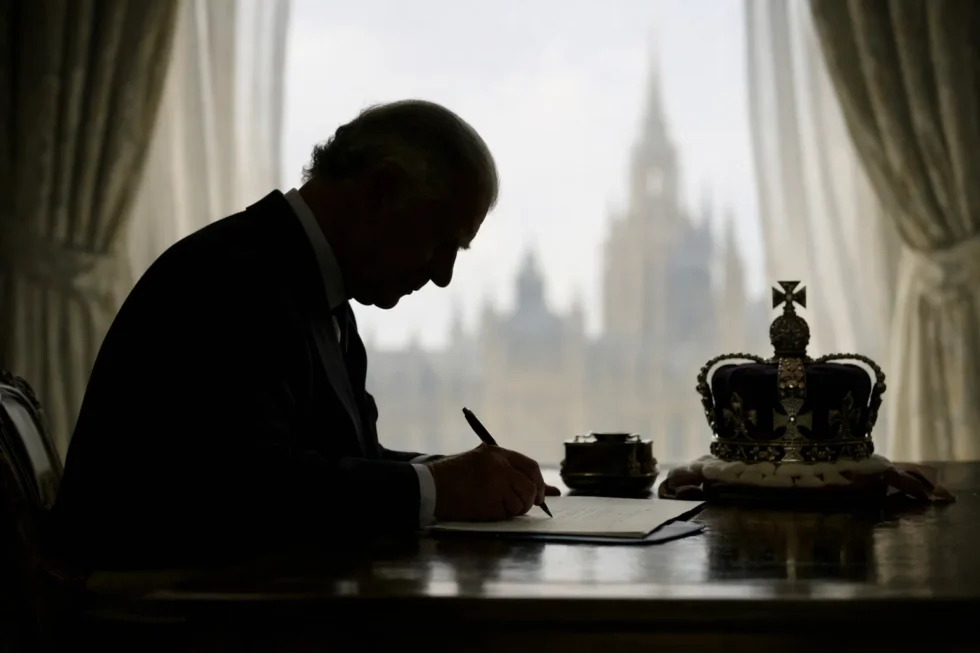
Britain is entering the final stage of a major constitutional reform after Parliament approved legislation that will remove the remaining hereditary peers from the House of Lords. The bill passed its final parliamentary stage on 11 March 2026 and now awaits Royal Assent from King Charles III. If that final formal step is completed, the change will take effect at the end of the current parliamentary session. The WP Times reported this, citing АР. In preparing this article, materials from AP, Reuters, the UK Parliament and the UK government were also reviewed. The reform concerns the last hereditary peers still sitting in the upper chamber under a compromise reached in 1999. At that time, the Blair government removed most hereditary peers from the Lords, but 92 were allowed to remain on an interim basis. The new bill removes that remaining exception and ends the automatic right of hereditary peers to sit and vote in Parliament.
what the bill changes
The House of Lords is the unelected upper chamber of the UK Parliament. Its members scrutinise legislation, propose amendments and review government policy, although the elected House of Commons remains the dominant chamber in the legislative process. The current reform does not abolish the House of Lords itself. Instead, it changes who is entitled to sit there by removing the final hereditary route into the chamber.
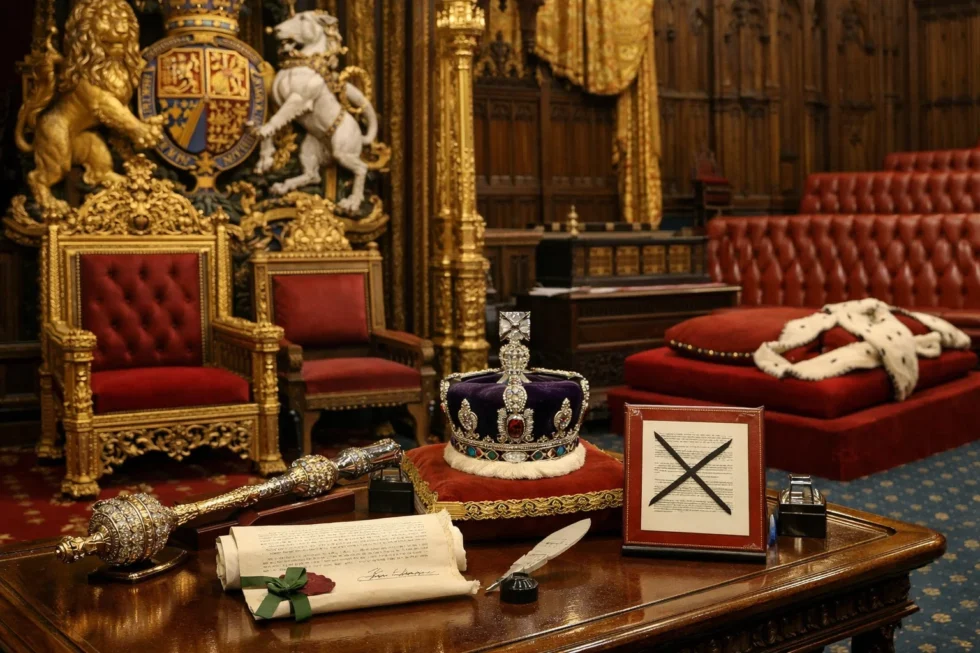
According to the official parliamentary summary, the bill removes the link between hereditary peerage and membership of the House of Lords. It also abolishes the jurisdiction of the House of Lords in relation to claims to hereditary peerages. In practice, that means hereditary titles may remain, but they will no longer carry an automatic parliamentary seat.
The scale of the reform is limited in numbers but significant in constitutional terms. Reuters reported that the Lords currently has around 800 members, including life peers, bishops and the remaining hereditary peers. Of those, 92 hereditary peers have continued to sit under the post-1999 settlement. Once the bill becomes law, that final hereditary bloc will lose its legislative role.
why the reform matters now
The current Labour government has presented the change as part of a wider effort to modernise British institutions. Cabinet Office minister Nick Thomas-Symonds said hereditary peerages represent an “archaic and undemocratic principle” and argued that membership of Parliament should not be based on birth. The government has also described the measure as a first step, signalling that further changes to the upper chamber may follow.
The issue has been politically unresolved for more than two decades. The 1999 reform was always treated as incomplete, with the continued presence of 92 hereditary peers intended as a temporary arrangement rather than a permanent settlement. Parliament’s decision in March 2026 effectively closes that unfinished chapter of constitutional reform.
Although Charles III’s role is formal rather than political, Royal Assent gives the final stage particular symbolic importance. The monarch is expected to approve legislation that ends the last hereditary path into the legislature, closing one of the clearest remaining links between inherited status and lawmaking in Britain. This is an inference based on the constitutional process and the bill’s current status.
what happens after royal assent
Once the bill receives Royal Assent and comes into force, hereditary peers will retain their titles and family status, but they will no longer have the automatic right to sit and vote in the House of Lords. The reform does not abolish aristocratic titles, confiscate family property or remove ceremonial standing. It is specifically focused on parliamentary membership and legislative power.
Labour has indicated that this is unlikely to be the end of the debate over the future of the second chamber. Reuters has reported that the government has also discussed broader reform, including changes related to participation and the longer-term shape of the Lords. For now, however, the immediate consequence is clear: the final group of hereditary legislators is about to leave the chamber, subject only to Royal Assent. For Britain, the measure marks the near-completion of a constitutional process that began in 1999. For hereditary peers, it means the end of automatic political power based on lineage. For Parliament, it removes one of the oldest surviving hereditary elements from the UK legislative system.
Read about the life of Westminster and Pimlico district, London and the world. 24/7 news with fresh and useful updates on culture, business, technology and city life:International Women’s Day 2026 in London and Britain: Why 8 March Still Shapes Policy, Business and Society
Source: AP. Additional materials reviewed: Reuters, UK Parliament, UK Government.