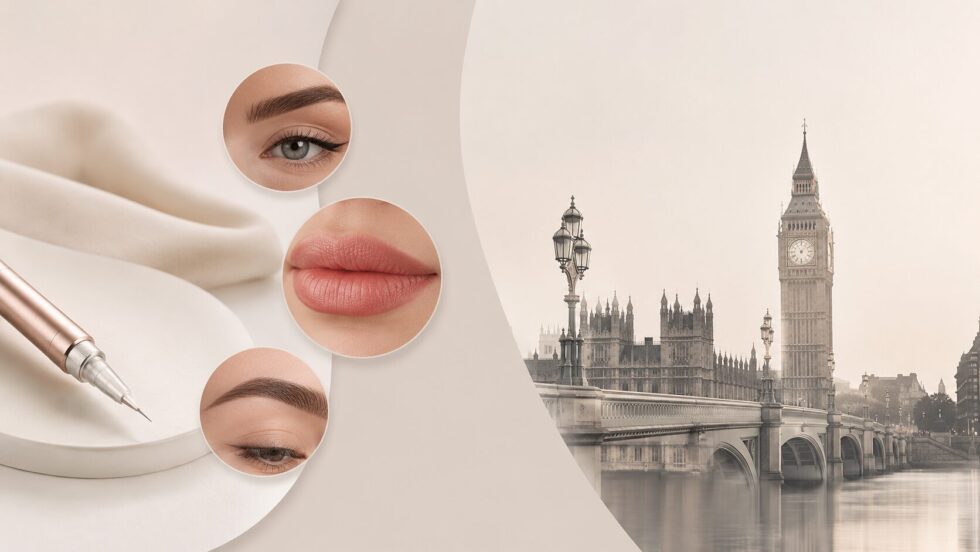
Permanent Make-up has evolved from a niche cosmetic treatment into one of London's fastest-growing beauty sectors, with thousands of people each year choosing eyebrow micropigmentation, lip blush and eyeliner enhancement instead of daily make-up routines. Yet behind the polished Instagram photos lies a procedure that combines elements of aesthetics, skin science and tattoo artistry. A successful PMU treatment can save time, restore facial balance and boost confidence, while a poorly executed one may require costly correction or laser removal. That is precisely why understanding how Permanent Make-up works before booking an appointment is far more important than choosing a clinic based on social media followers alone.
Across London, prices range from a few hundred pounds to well over £1,000 depending on technique, practitioner experience and location. At the same time, clients face an overwhelming number of options, from microblading and powder brows to lip neutralisation and lash enhancement. This guide takes a journalist's approach rather than a sales pitch. It explains what Permanent Make‑up actually is, how modern techniques differ from traditional tattooing, what results can realistically be expected, how London's industry compares with cities such as Berlin, and which questions experienced clients ask before allowing anyone near their face with a needle. The objective is simple: to ensure you walk into a consultation knowing more about PMU than most first-time clients.
What Permanent Make-up Actually Is
Permanent Make-up (PMU) is often described as a beauty treatment, but in reality it sits somewhere between cosmetic artistry, skin science and advanced tattooing. The procedure involves placing carefully selected pigments into the upper layers of the skin to create the appearance of naturally fuller eyebrows, more defined eyes or healthier-looking lips. Unlike traditional makeup, the result remains visible around the clock, whether you're at the gym, swimming in Hyde Park's Serpentine, rushing through a London commute or boarding an early flight from Heathrow.
What makes Permanent Make-up particularly interesting is that modern PMU is no longer about creating an obviously "done" look. The industry's biggest shift during the past decade has been toward natural enhancement. Most experienced London practitioners aim to make clients appear fresher, more symmetrical and more defined without anyone immediately noticing cosmetic work has been performed. The best Permanent Make-up often goes unnoticed because it simply looks like the client was born with excellent brows, naturally rosy lips or thicker lashes.
There is another misconception worth correcting immediately. Despite the name, Permanent Make-up is not truly permanent in the way a traditional tattoo is. Modern pigments are specifically designed to break down gradually under the influence of the immune system, UV exposure, skincare products and natural skin renewal. This controlled fading allows colours to remain flattering as facial features and beauty trends evolve. It is one of the reasons why many leading artists in London increasingly prefer the term "semi-permanent make-up." For many clients, the treatment is not purely cosmetic. Permanent Make-up is frequently chosen by people experiencing eyebrow thinning, hair loss, alopecia, hormonal changes, scarring or age-related pigment loss around the lips. Others simply want to eliminate the daily struggle of drawing symmetrical brows or applying eyeliner before work every morning. In a city where time is often the most valuable luxury, convenience has become one of PMU's strongest selling points.
Why London Has Become One of Europe's PMU Capitals
London is now considered one of Europe's most competitive markets for Permanent Make-up. The city attracts internationally trained artists, hosts specialist PMU academies and regularly welcomes experts from Europe, North America and Asia to industry conferences and masterclasses. Several factors explain this growth. Firstly, social media has dramatically increased awareness of cosmetic tattooing. Secondly, advances in pigment technology and equipment have improved results considerably compared with the harsh cosmetic tattoos commonly seen twenty or thirty years ago. Thirdly, modern consumers are increasingly looking for beauty treatments that reduce the amount of time spent on daily routines.
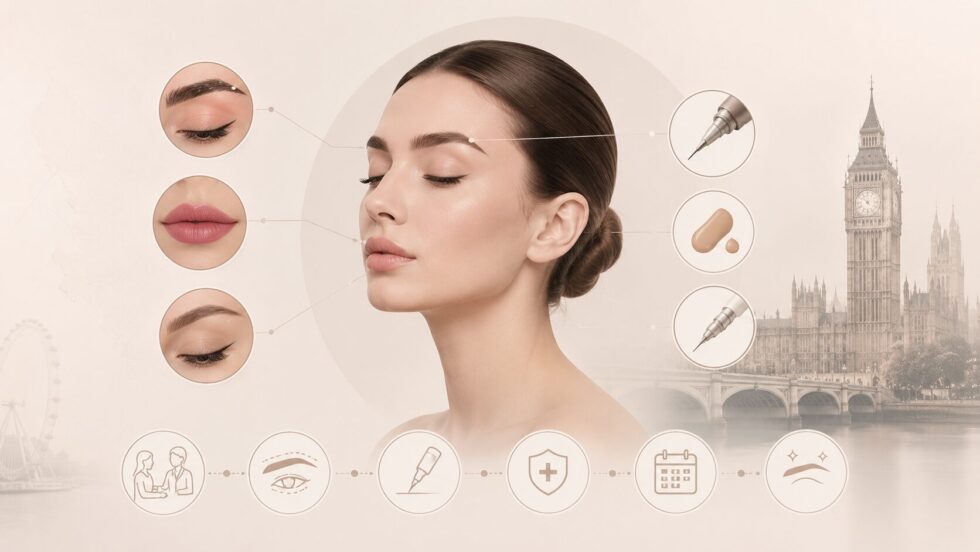
A growing number of London professionals choose PMU because they travel frequently, work long hours or maintain active lifestyles. Personal trainers, runners, swimmers, lawyers, flight attendants and executives are among the most common clients. Many report saving between ten and thirty minutes every morning after successful treatment. The market has also become more sophisticated. Clients today ask detailed questions about pigments, skin types, healing behaviour and retention rates. As a result, the industry's standards continue to rise, with experienced artists investing heavily in education, hygiene training and advanced equipment.
The Science Behind Pigment Retention
One of the most important concepts clients often misunderstand is how pigment behaves once it enters the skin. Permanent Make-up pigments are implanted into the upper dermis using specialised machines or manual tools. Immediately after treatment, the colour appears significantly darker because pigment particles are concentrated near the surface and the skin is experiencing mild trauma. Over the following weeks, several biological processes occur simultaneously:
- The skin begins repairing itself.
- Microscopic scabs form.
- Excess pigment is expelled naturally.
- New skin cells develop.
- Colour softens and settles.
This process explains why the healed result can appear 30–50 percent lighter than the fresh treatment.
Skin type plays a major role in retention. Oily skin tends to push pigment out more aggressively, causing softer healed results. Dry skin often retains colour more effectively. Sun exposure, smoking, skincare acids, retinol products and chemical peels can all accelerate fading. A professional artist understands these variables and adjusts technique, colour selection and treatment planning accordingly.
Frequently Asked Questions About Permanent Make-up in London
How much does Permanent Make-up cost in London?
Prices vary significantly depending on the artist's experience, clinic location and technique. As a general guide, eyebrow treatments typically cost between £300 and £800, lip blush between £350 and £900, and eyeliner procedures between £250 and £800. Clinics in central London areas such as Mayfair, Knightsbridge, Chelsea and Marylebone usually charge more than studios in outer boroughs. Clients should always check whether the six-to-eight-week touch-up appointment is included in the quoted price.
Is Permanent Make-up legal and regulated in London?
Yes. Permanent Make-up is regulated through local authorities. Practitioners and treatment premises must be registered with the relevant London borough council for tattooing, cosmetic piercing and semi-permanent skin colouring procedures. Clients should not hesitate to ask for proof of registration, insurance and hygiene certifications before booking.
Which PMU treatment is most popular in London?
Eyebrows remain by far the most requested Permanent Make-up treatment. Powder brows and combination brows have largely overtaken traditional microblading because they generally heal more evenly and last longer, particularly on oily skin. Lip blush is currently the fastest-growing segment of the London PMU market.
How long does Permanent Make-up last?
Most treatments last between one and three years before requiring a colour refresh. Eyeliner often lasts the longest because the area experiences less sun exposure and friction. Microblading usually fades faster than powder brows. Individual results depend on skin type, lifestyle, age, sun exposure and skincare products.
Does Permanent Make-up hurt?
Most clients describe the sensation as mild discomfort rather than significant pain. Topical numbing creams are normally applied before and during the procedure. Eyebrows are generally considered the most comfortable area, while lips tend to be the most sensitive.
How long does healing take?
Initial healing usually takes between seven and fourteen days. However, complete skin recovery and colour stabilisation typically require four to six weeks. During this period, pigment can appear darker, lighter or patchier before settling into its final result.
Can I return to work the next day?
In most cases, yes. Many London clients schedule appointments before a weekend and return to work on Monday. Brows may appear darker during the first week, while lips can experience noticeable swelling for the first 24 to 48 hours.
Which London clients benefit most from Permanent Make-up?
PMU is particularly popular among busy professionals, athletes, frequent travellers, people with sparse brows, those experiencing hair loss or alopecia, and anyone wanting to reduce time spent applying makeup each morning. Many clients choose treatment primarily for convenience rather than cosmetic transformation.
What should I avoid after a PMU procedure?
For the first days and weeks following treatment, clients should avoid:
- Swimming pools
- Saunas and steam rooms
- Heavy gym workouts
- Direct sunlight
- Sunbeds
- Retinol products
- Chemical exfoliants
- Picking or scratching healing skin
Following aftercare instructions is one of the biggest factors affecting final results.
Can Permanent Make-up be removed?
Yes, but removal is significantly more complicated than application. Laser removal and saline removal are the most common correction methods. Both usually require multiple sessions and may not completely eliminate every trace of pigment. This is why experienced artists recommend choosing a conservative design and a qualified practitioner from the beginning.
How do I find a reputable PMU artist in London?
Look beyond social media followers. Check for:
- Borough council registration
- Insurance coverage
- Healed client results
- Independent reviews
- Detailed consultations
- Transparent pricing
- Clear aftercare instructions
A reputable artist will happily answer questions, explain risks and never pressure a client into booking immediately.
Is Permanent Make-up worth the investment?
For many Londoners, the answer is yes. Clients often save hundreds of hours over the lifespan of the treatment by reducing or eliminating their daily makeup routine. The best results are subtle, natural and designed to enhance existing features rather than dramatically change appearance.