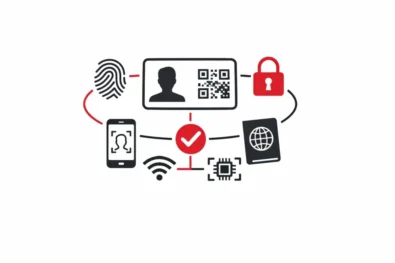
In 2026, UK law no longer treats webcam modelling as a legal grey zone of the digital economy. In London — the UK’s largest centre for online adult content — webcam modelling is now governed by a layered framework of criminal law, online safety regulation, tax enforcement and data-protection obligations. There is still no single statute written exclusively for webcam work, but the legal position has become materially clearer: adult webcam modelling is lawful in the UK only where clearly defined statutory conditions are satisfied.
The key legal question is no longer whether webcam modelling is permitted, but what compliance with UK law actually requires in practice. Age-verification standards, informed consent, lawful content thresholds, platform-level obligations, accurate tax reporting and data-protection compliance now form the baseline for operating in the sector.
Since 2024, enforcement has accelerated in both scope and consistency. The rollout of the Online Safety regime, combined with tighter financial oversight, has reshaped regulatory priorities. What was once a lightly supervised online activity has been absorbed into the UK’s broader digital compliance framework, placing webcam modelling under active, structured and enforceable regulatory scrutiny, with London at the centre of that transition.
Legal status of webcam modelling under UK law
UK law does not prohibit consensual adult sexual performance conducted online. Webcam modelling is therefore not illegal per se, including when performed from a private residence in London. There is no offence in UK criminal law that criminalises webcam modelling as a profession. Instead, legality is assessed through general criminal statutes and regulatory rules that apply across the digital economy. Crucially, UK law regulates conduct and harm, not the label of the activity. Enforcement is triggered by risks linked to exploitation, abuse, public protection and child safety, rather than by the mere fact that adult content is produced or streamed online.
Key legal principles that define legality
Webcam modelling remains lawful by default, provided that all statutory conditions are met. It becomes unlawful immediately when any of the following thresholds are crossed:
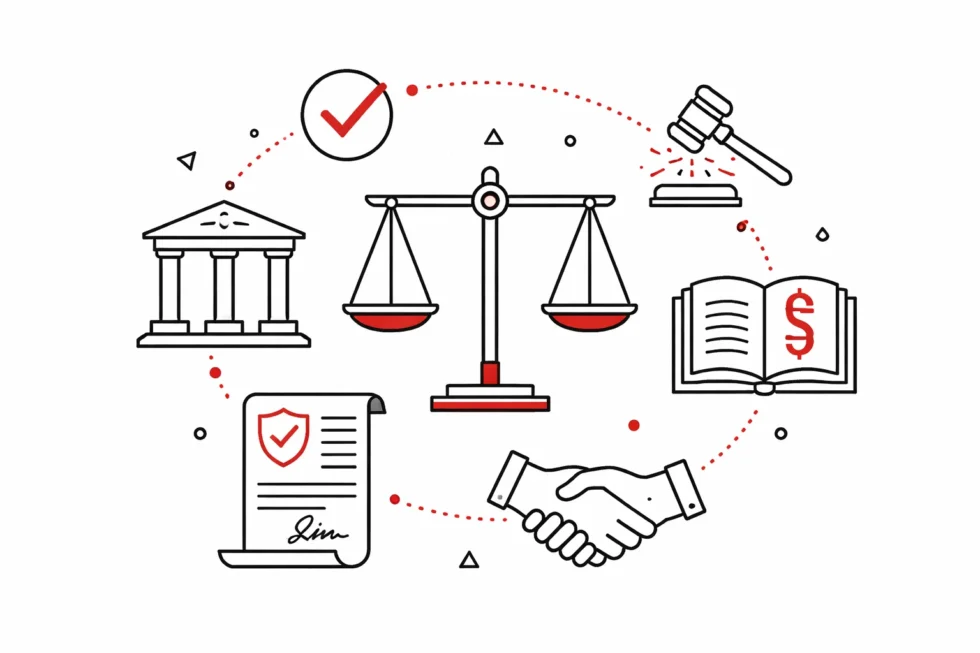
- Age: all participants must be verifiably 18+. Any failure in age verification exposes platforms to sanctions of up to £18 million or 10% of global annual turnover.
- Consent: all sexual content must be consensual. Non-consensual intimate imagery constitutes a criminal offence, regardless of platform or payment.
- Content legality: UK criminal law prohibits extreme pornographic material and any content involving coercion, serious harm or simulated minors.
- Exploitation indicators: signs of trafficking, control, or financial coercion elevate cases into serious criminal investigations.
- Platform compliance: services facilitating webcam modelling must comply with Online Safety obligations, including risk assessments and child-protection systems.
- Tax compliance: income from webcam modelling is taxable and monitored through digital payment reporting mechanisms.
- Data protection: handling of identity documents, subscriber data and payments must comply with UK GDPR standards.
There is no licensing or registration scheme for individual webcam models in the UK. Unlike physical sex establishments, online adult performers are not subject to local authority licensing. This absence of licensing does not create legal immunity; it simply reflects the UK’s reliance on general criminal and regulatory law rather than sector-specific permits.
Enforcement reality
In practical terms, webcam modelling operates within a binary legal structure:
- Lawful, when all statutory requirements are satisfied.
- Unlawful, the moment any legal boundary is breached.
There is no “grey zone”, tolerance policy or informal exemption based on the online or private nature of the activity. Digital delivery does not reduce liability. Investigations and prosecutions are conducted under existing criminal law frameworks, with cases brought by the Crown Prosecution Service when evidentiary thresholds are met.
Under UK law in 2026, webcam modelling is a lawful economic activity with defined legal boundaries, not an unregulated or semi-legal practice. The absence of a dedicated statute does not imply legal uncertainty. On the contrary, legality is clearly determined by compliance with age, consent, content, platform, tax and data-protection rules. Once those conditions are breached, enforcement is immediate and penalties are no longer theoretical but demonstrably applied.
Criminal law boundaries and prohibited conduct
Under UK criminal law, webcam modelling becomes unlawful only when specific statutory prohibitions are breached. The risk is not linked to the format of webcam work itself, but to the nature of the content and the conditions under which it is produced. UK law explicitly prohibits the following categories:
- Sexual content involving minors, including any simulated, staged or AI-generated representation of a minor.
- Non-consensual sexual imagery, including recording, streaming or distribution without clear and ongoing consent.
- Extreme pornographic material, as defined in statute, particularly content involving serious harm, coercion or non-consensual acts.
- Exploitation indicators, including trafficking, control by third parties, financial coercion or inability to refuse participation.
Criminal cases in this area are prosecuted by the Crown Prosecution Service following digital investigations. In practice, enforcement is harm-based: consensual adult webcam work that stays within legal boundaries is not a priority target for prosecution.
Online Safety regulation and platform responsibility
The most significant regulatory constraint affecting webcam modelling in 2026 is the Online Safety framework. Platforms that host or facilitate pornographic content are legally required to prevent access by under-18s through effective age-verification systems. Regulatory oversight and enforcement sit with Ofcom, which has powers to impose fines of up to £18 million or 10% of global annual turnover, as well as service restrictions. For webcam models, the impact is indirect but substantial:
- Non-compliant platforms face blocking, fines or forced operational changes.
- Performer accounts may be suspended or terminated as platforms tighten compliance.
- Income streams can be disrupted without fault on the part of the performer.
Models operating independently via personal websites face direct compliance exposure, as age-verification obligations may apply to them rather than to an intermediary.
Working from home in London: legal position
UK law does not prohibit webcam modelling from a private residence, provided the activity is conducted exclusively online and no clients attend the premises. Where no physical access is granted and no public-facing sex venue is operated, no licence is required under London local authority law. The legality of the activity is not affected by the residential setting. However, non-criminal constraints may arise from private and civil law, including:
- tenancy or lease terms restricting business use of residential property,
- nuisance law, where noise, lighting or activity causes disturbance to neighbours,
- insurance exclusions, where home policies do not cover commercial activity.
These matters are contractual or civil in nature and are enforced through private remedies rather than criminal sanctions. They do not alter the underlying criminal legality of webcam modelling under UK law, but they may carry financial or practical consequences if ignored.
Employment status and “webcam model vacancies”
Most advertised “webcam model vacancies” in the UK do not create an employment relationship under UK labour law. In the vast majority of cases, performers operate as self-employed individuals or independent contractors using third-party platforms rather than as employees. Legal status is determined by substance, not by how a role is marketed. Courts and regulators assess classification based on established criteria, including:
- degree of control exercised by the platform over working hours, pricing and conduct,
- substitution rights, including whether the performer can delegate or be replaced,
- economic dependency, particularly reliance on a single platform for income.
Where these factors point away from employment, statutory protections such as paid leave, sick pay and unfair dismissal rights do not apply. At the same time, this structure places direct responsibility on the performer for regulatory compliance, tax reporting and financial obligations. Misclassification does not shield performers from liability where legal requirements are not met.
Taxation and financial reporting
Income generated from webcam modelling is fully taxable in the UK, irrespective of the nature of the platform or the country from which payments are received. Tax compliance and enforcement are overseen by HM Revenue and Customs. Key legal principles are straightforward:
- All income must be declared, regardless of whether the platform is UK-based or overseas.
- Foreign payments, tips and performance-based bonuses are taxable under UK law.
- The payment method is irrelevant: bank transfers, payment processors, cryptocurrencies or platform wallets do not alter tax liability.
- Classification as self-employed is common, placing responsibility for registration, reporting and payment on the individual performer.
Since 2024, tax enforcement in the digital economy has intensified through automated data-matching, cooperation with payment service providers and international information-sharing frameworks. Undeclared income is increasingly detectable. Persistent non-compliance typically escalates from civil penalties and interest to formal investigations, and in serious cases, criminal proceedings.
Data protection and privacy obligations
Webcam modelling necessarily involves the processing of personal data, including identity documents, payment details, account credentials and, in some cases, communication records. The applicable legal framework is UK GDPR, supplemented by domestic data-protection legislation.
Where all personal data is collected, stored and processed exclusively by a platform, primary compliance responsibility rests with the platform operator. This typically covers identity verification, payment processing and data security. However, performers do not acquire automatic immunity. Liability can arise where a performer independently collects, stores or uses subscriber data, for example through personal websites, mailing lists, direct messaging tools or external payment systems. In such cases, performers may qualify as data controllers under UK GDPR and are required to comply with core obligations, including lawful processing, data minimisation, security measures and breach notification where applicable.
Regulatory enforcement has increasingly prioritised systemic and high-impact failures, such as insecure storage of identity documents or large-scale data leaks. Nevertheless, liability remains material for independent operators, particularly where sensitive data is handled without adequate safeguards or legal basis.
AI, deepfakes and image-based abuse
By 2026, UK law explicitly criminalises the creation or distribution of sexually explicit images generated without consent, including AI-generated content. This reform has two clear effects:
- it strengthens legal protection for webcam models whose likeness is misused;
- it imposes criminal liability where performers themselves engage in non-consensual image manipulation.
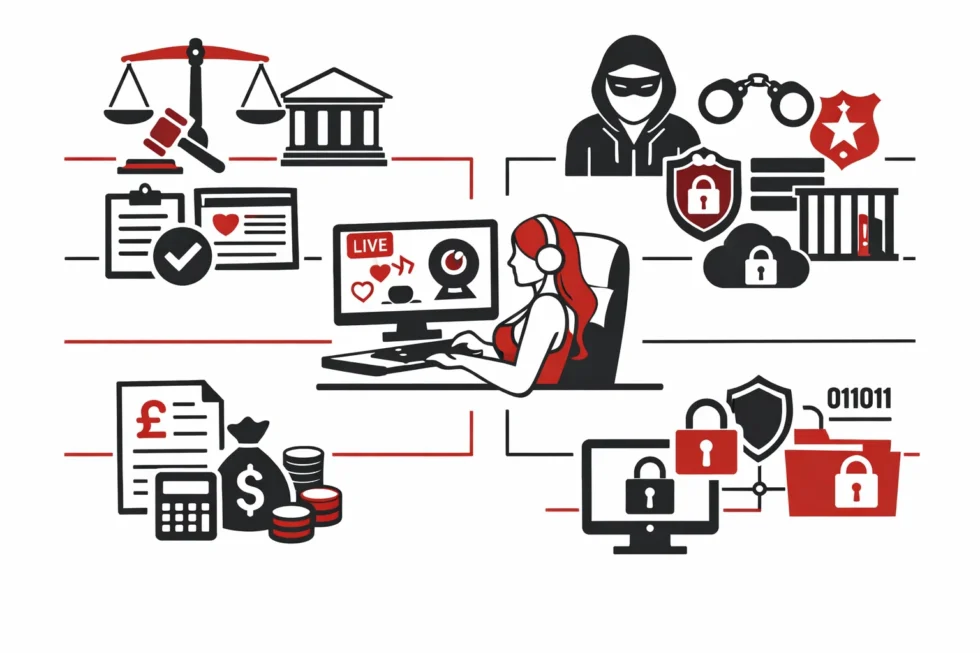
Image-based abuse is now a priority enforcement area within the online adult sector.
How the law is applied in practice
| Legal area | Enforcement focus |
|---|---|
| Criminal law | Harm, consent, child protection |
| Online safety | Platform compliance, age verification |
| Tax law | Undeclared digital income |
| Data protection | Systemic non-compliance |
UK regulators apply a risk-based approach. Lawful activity conducted within statutory limits is not targeted. Breaches involving children, non-consensual material or financial concealment attract rapid enforcement.
Legal position in 2026
In 2026, UK law recognises webcam modelling in London as a lawful form of online adult work only when conducted in strict compliance with existing legal and regulatory requirements. The activity is not subject to a dedicated licensing regime, but it is fully governed by general criminal law, online safety regulation, tax legislation and data-protection rules.
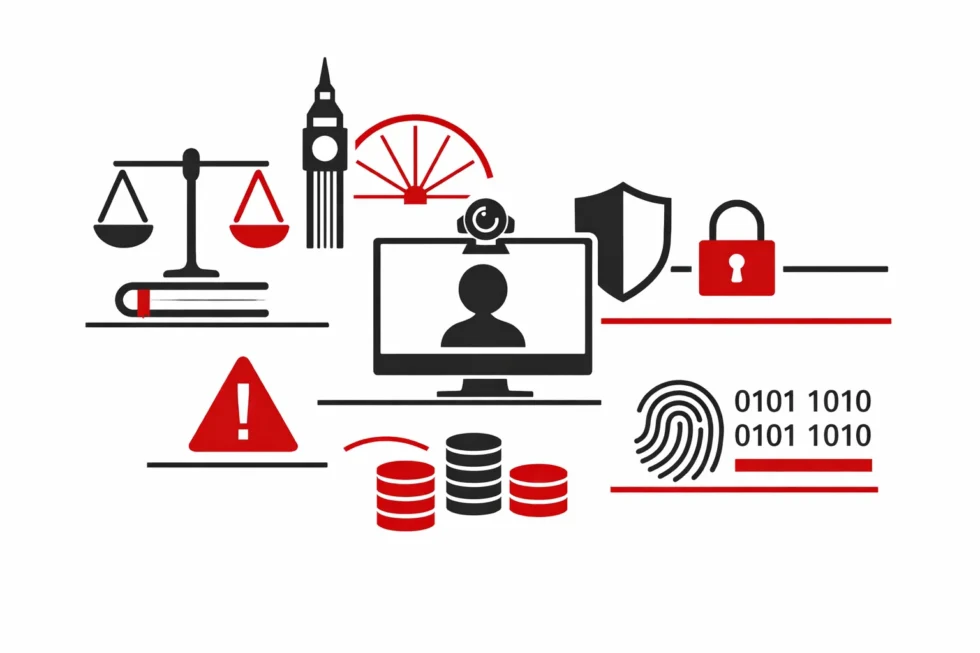
Legality depends on continuous compliance, not on the nature of the profession itself. Webcam modelling remains lawful only where all participants are adults, consent is verifiable, content stays within statutory limits, platforms comply with age-verification obligations, income is accurately declared for tax purposes and personal data is processed lawfully. The absence of a single, sector-specific statute does not create legal ambiguity; it reflects the UK’s reliance on cross-sector regulation rather than permissive oversight. Where these conditions are met, webcam modelling operates as a legitimate economic activity within the UK’s digital economy. Where they are breached, liability arises immediately through existing enforcement mechanisms, including criminal investigation, regulatory sanctions and financial penalties. In 2026, the legal position is therefore binary: compliant activity is lawful; non-compliance carries direct legal exposure.
Read about the life of Westminster and Pimlico district, London and the world. 24/7 news with fresh and useful updates on culture, business, technology and city life: Why Slavic webcam models dominate the UK: London pay, agencies and the British online adult market