Mother’s Day in London will be celebrated on 15 March 2026, when families across the British capital mark one of the most important spring traditions in the United Kingdom. Restaurants across central London traditionally fill early with Mother’s Day brunch and Sunday roast reservations, florists report one of the busiest weekends of the season for Mother’s Day flowers, and bakeries prepare thousands of traditional Simnel cakes, the dessert historically associated with Mothering Sunday. In Britain the holiday takes place earlier than in many other countries because it is linked to the Christian calendar and falls on the fourth Sunday of Lent, exactly three weeks before Easter. In 2026 Easter Sunday falls on 5 April, which places Mother’s Day in the UK on 15 March 2026, several weeks ahead of the international Mother’s Day observed in May.
As The WP Times reports, Mother’s Day has become one of the most commercially significant family holidays in Britain, particularly in London where hospitality and retail sectors see a sharp increase in demand. Restaurants report one of the busiest Sundays of the year, while online searches for Mother’s Day London brunch, Mothering Sunday restaurants London and Mother’s Day flowers delivery London increase significantly in the weeks before the holiday. Retail analysts note that British consumers collectively spend hundreds of millions of pounds each year on flowers, greeting cards, restaurant bookings and gifts during the Mothering Sunday period. The celebration combines historical church tradition with modern urban experiences such as afternoon tea in London hotels, West End theatre visits and Thames river cruises, making the capital one of the main centres of Mother’s Day celebrations in the United Kingdom.

Although the modern holiday includes gifts, flowers and restaurant visits, the tradition itself dates back centuries and originally developed as a religious custom in medieval England. Over time Mothering Sunday evolved into a nationwide family celebration that blends church heritage, British culinary traditions and the contemporary hospitality culture of cities such as London.
The origins of Mothering Sunday in Britain
The British tradition of celebrating mothers, known as Mothering Sunday, has roots that reach back to medieval England between the 16th and 17th centuries, long before the modern international Mother’s Day appeared in the United States. The holiday was tied to the Christian liturgical calendar and took place on the fourth Sunday of Lent, a period when believers were encouraged to return to their “mother church” — the principal church or cathedral where they were baptised or where their family traditionally worshipped. This religious journey was particularly significant in a society where many people lived and worked far from their hometowns.

During this period thousands of young people worked as domestic servants or apprentices in wealthier households, often in different towns or counties. Mothering Sunday was one of the few days in the year when employers allowed them to travel home. Historical accounts from English parish records show that churches were noticeably fuller on this Sunday because entire families reunited for services. The journey home often became a family ritual, and travellers frequently carried small gifts for their mothers, including flowers picked along the road or baked goods bought from local markets. One of the most recognised gifts associated with the tradition became the Simnel cake, a fruit cake with marzipan that was originally prepared during Lent. The cake was both practical and symbolic: it could survive the journey home and served as a festive dessert shared with the family. Over time the custom of bringing food and small presents for mothers strengthened the association between the religious pilgrimage and family appreciation. By the 18th century, Mothering Sunday had gradually shifted from a purely church-centred tradition to a wider social celebration focused on family reunions. Historians note that this evolution explains why the British holiday differs from the American Mother’s Day created in the early twentieth century. In Britain the celebration developed organically from church customs and seasonal travel traditions rather than from a single national campaign.
The revival of Mothering Sunday in the 20th century
By the end of the nineteenth century, the traditional British observance of Mothering Sunday had largely declined. Industrialisation, urban migration and changes in domestic employment meant that the old custom of servants travelling home during Lent gradually disappeared. In many parts of Britain the religious aspect of returning to the “mother church” was still present, but the broader social celebration of mothers had weakened. The modern revival of Mothering Sunday began in the early 1920s, largely due to the work of Constance Adelaide Smith, a British writer and church campaigner. In 1921 she published a booklet titled The Revival of Mothering Sunday, where she argued that Britain should restore its historic tradition rather than simply adopt the American version of Mother’s Day. Smith organised church campaigns, distributed educational materials to schools and encouraged communities to celebrate the day as a uniquely British tradition rooted in history and family values.

Her efforts coincided with the international spread of Mother’s Day in the United States, which had been formally established in 1914 after years of campaigning by American activist Anna Jarvis. The growing global popularity of the American holiday helped draw public attention back to Britain’s older Mothering Sunday tradition. British churches, schools and retailers gradually embraced the revival. By the 1930s, greeting cards, flowers and chocolates had become common gifts associated with the day, and newspapers began publishing articles encouraging families to celebrate mothers in March. The retail sector quickly recognised the economic potential of the holiday, introducing seasonal promotions for flowers, confectionery and family meals.
Today Mothering Sunday is one of the most important seasonal events for British retail and hospitality, often ranking alongside Christmas and Valentine’s Day in terms of restaurant bookings, greeting card sales and flower purchases. For London businesses in particular, the holiday has become one of the busiest Sundays of the spring calendar.
Why the date of Mother’s Day in Britain changes every year
Mother’s Day in the United Kingdom does not have a fixed calendar date because it is tied to the Christian liturgical calendar. The holiday known as Mothering Sunday is always celebrated on the fourth Sunday of Lent, which places it exactly three weeks before Easter Sunday.
Since Easter is a movable holiday, determined each year by the first Sunday after the first full moon following the spring equinox, the timing of Lent also changes. As a result, Mothering Sunday shifts to different dates every year, usually falling between early March and early April. Recent and upcoming dates illustrate how the holiday moves:
| Year | Mothering Sunday (UK Mother’s Day) |
|---|---|
| 2024 | 10 March |
| 2025 | 30 March |
| 2026 | 15 March |
| 2027 | 7 March |
This calendar structure means that Britain celebrates Mother’s Day several weeks earlier than most of Europe, the United States and Canada, where the holiday takes place on the second Sunday of May. For international travellers and expatriates living in London, this difference often causes confusion when planning gifts, restaurant reservations or family visits.
The economic impact of Mother’s Day in Britain
In modern Britain Mother’s Day — known locally as Mothering Sunday — has become one of the most important seasonal events for the retail and hospitality industries outside the Christmas period. Restaurants, hotels, florists and gift retailers prepare for a noticeable rise in demand during the weeks leading up to the holiday, particularly in large cities such as London, Manchester and Birmingham. Industry data from British retail and hospitality associations shows that Mothering Sunday consistently ranks among the top seasonal trading weekends alongside Valentine’s Day, with several sectors experiencing a sharp increase in customer activity. The strongest demand typically occurs in the following industries:

| Sector | Typical impact during Mothering Sunday |
|---|---|
| Greeting cards | millions of Mother’s Day cards sold nationwide |
| Florists | some of the highest sales of the spring season |
| Restaurants | one of the busiest Sundays of the year |
| Chocolates and confectionery | strong seasonal gift demand |
| Jewellery and beauty products | targeted promotional campaigns |
Florists in particular experience a significant surge in business, with many reporting that Mothering Sunday weekend generates some of the largest flower sales outside Valentine’s Day. Bouquets of tulips, daffodils and roses are among the most common purchases. Restaurants also benefit heavily from the holiday. Across Britain — and especially in London — Mothering Sunday lunches and brunch reservations often sell out days in advance as families plan a shared meal to mark the occasion.
Consumer spending during the Mother’s Day period reflects how widely the holiday is observed across British society. Families typically combine traditional gifts with shared experiences, making the celebration both an emotional family event and a major retail opportunity. Among the most common purchases during the period are:
• fresh flower bouquets
• perfumes and beauty products
• jewellery and personalised gifts
• chocolates and confectionery
• restaurant meals and afternoon tea experiences
Retail campaigns for Mothering Sunday usually begin three to four weeks before the holiday, with supermarkets, department stores and online retailers launching seasonal promotions. Digital searches for Mother’s Day gifts, restaurant bookings and flower delivery services increase noticeably during early March as families begin planning the celebration in advance.
How London celebrates Mother’s Day
London has become one of the most popular places in Britain to celebrate Mother’s Day. The capital combines historic traditions with modern hospitality, offering a wide range of activities for families. Hotels, restaurants and cultural venues across the city design special programmes specifically for Mothering Sunday. Many of these experiences sell out quickly, particularly in central London. Among the most popular ways to celebrate are afternoon tea events, restaurant brunches and sightseeing experiences on the River Thames.
Afternoon tea experiences
Afternoon tea remains one of the most iconic British traditions and is especially popular on Mother’s Day. Luxury hotels across London prepare special Mother’s Day afternoon tea menus featuring champagne, handcrafted cakes, seasonal desserts and traditional finger sandwiches. Well-known venues include historic hotels and tea rooms located in areas such as Mayfair, Westminster and Kensington. Many offer themed decorations, live piano music or small gifts for mothers attending the event. Because of strong demand, reservations are usually required several days or even weeks in advance.
Mother’s Day brunch
Restaurants throughout London create dedicated brunch and lunch menus designed specifically for Mothering Sunday. These menus often combine traditional British dishes with modern international cuisine. Popular options include:
- traditional Sunday roasts with seasonal vegetables
- brunch buffets with pastries and fresh fruit
- family sharing menus designed for large groups
- themed dessert selections and celebratory cakes
For many restaurants, Mother’s Day represents one of the highest-revenue Sundays of the year, with tables booked well before the weekend arrives.
Thames river cruises
Boat companies operating on the River Thames also organise Mother’s Day lunch cruises, offering families the chance to celebrate while enjoying panoramic views of London’s historic skyline. Typical routes pass several of the capital’s most famous landmarks, including:
- Tower Bridge
- the Houses of Parliament
- St Paul’s Cathedral
- the London Eye
These cruises combine sightseeing with multi-course meals, live music and champagne service, making them a popular choice for families looking to celebrate the day in a memorable setting.
Mother’s Day events in London on 15 March 2026: where to go and what to book
Across London many restaurants, hotels and river operators prepare dedicated Mother’s Day programmes. Most of them run on Sunday 15 March 2026, with special menus available between late morning and early evening. Below are some of the most popular locations in central London where families traditionally celebrate Mothering Sunday.

Afternoon tea at The Ritz London
Address:
The Ritz London
150 Piccadilly, St James’s, London W1J 9BR
Mother’s Day hours:
Afternoon tea sittings usually run from 11:30 to 19:30
Experience description
The Ritz is one of the most famous places in Britain for afternoon tea and regularly hosts special Mother’s Day menus in the Palm Court dining room. Guests are served a multi-course tea experience accompanied by live piano music.
Typical Mother’s Day menu
• smoked Scottish salmon finger sandwiches
• cucumber and cream cheese sandwiches
• warm scones with Cornish clotted cream and strawberry jam
• lemon drizzle cake
• raspberry tartlets
• chocolate praline desserts
Guests can choose from more than 20 varieties of loose-leaf tea or add a glass of Champagne.
Mother’s Day brunch at The Ivy Tower Bridge
Address:
The Ivy Tower Bridge
One Tower Bridge, Tower Bridge Road, London SE1 2AA
Opening hours on Mother’s Day:
Brunch service typically begins around 09:00 and continues until 16:00
What makes it special
Located next to Tower Bridge, the restaurant offers views of the Thames and one of London’s most photographed landmarks.
Popular Mother’s Day dishes
• eggs royale with smoked salmon
• truffle chicken milanese
• grilled sea bass with spinach and lemon butter
• classic shepherd’s pie
• sticky toffee pudding with vanilla ice cream
Families often combine brunch here with a walk along the South Bank promenade after the meal.
Sky-high Mother’s Day brunch at Duck & Waffle
Address:
Duck & Waffle
110 Bishopsgate, London EC2N 4AY
(40th floor of the Heron Tower)
Opening hours on 15 March:
Typically open from 09:00 until late evening
Why it’s popular
The restaurant offers panoramic views across London’s skyline including the Tower of London, the Thames and Canary Wharf.
Signature brunch dishes
• duck confit with waffle and fried duck egg
• smoked salmon Benedict
• crispy potatoes with herbs
• roasted mushrooms with sourdough toast
Many visitors choose this location specifically for Mother’s Day photos with London skyline views.
Mother’s Day Thames lunch cruise
Departure point:
City Cruises London
Westminster Pier, Victoria Embankment, London SW1A 2JH
Typical departure times on Mother’s Day
• 12:00 lunch cruise
• 15:30 afternoon cruise
Duration:
Approximately 1 hour 45 minutes
What guests experience
Passengers enjoy a three-course lunch while the boat travels along the Thames past some of London’s most famous landmarks.
Landmarks visible from the cruise
• Houses of Parliament
• London Eye
• St Paul’s Cathedral
• Tower Bridge
• Canary Wharf skyline
Typical cruise menu
Starter
• smoked salmon with dill cream
Main course
• roast chicken with seasonal vegetables
or
• vegetarian mushroom risotto
Dessert
• chocolate mousse or lemon cheesecake
Mother’s Day flower market in London
For families who prefer a relaxed Sunday walk, the Columbia Road Flower Market is one of the most atmospheric places to visit during Mother’s Day weekend.
Address:
Columbia Road Flower Market
Columbia Road, Bethnal Green, London E2 7RG
Opening hours:
Sunday 08:00 – 15:00
The market is famous for its colourful displays of spring flowers and attracts both locals and tourists.
Flowers commonly purchased for Mothering Sunday include:
• tulips
• daffodils
• roses
• hyacinths
• mixed spring bouquets
Many visitors combine a walk through the flower market with brunch at nearby cafés in East London’s Shoreditch district.
Traditional dessert served on Mothering Sunday
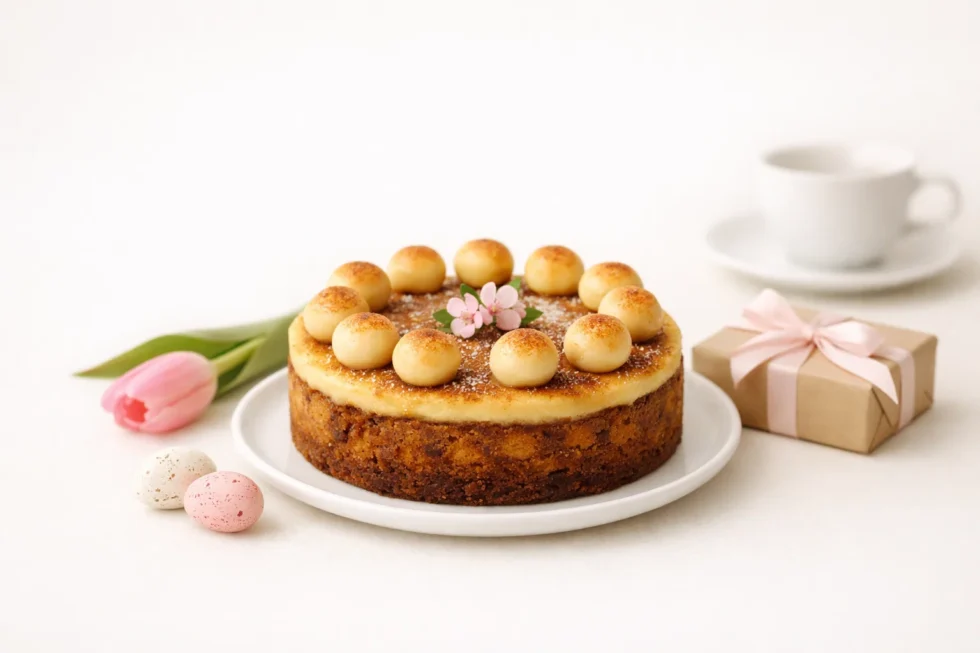
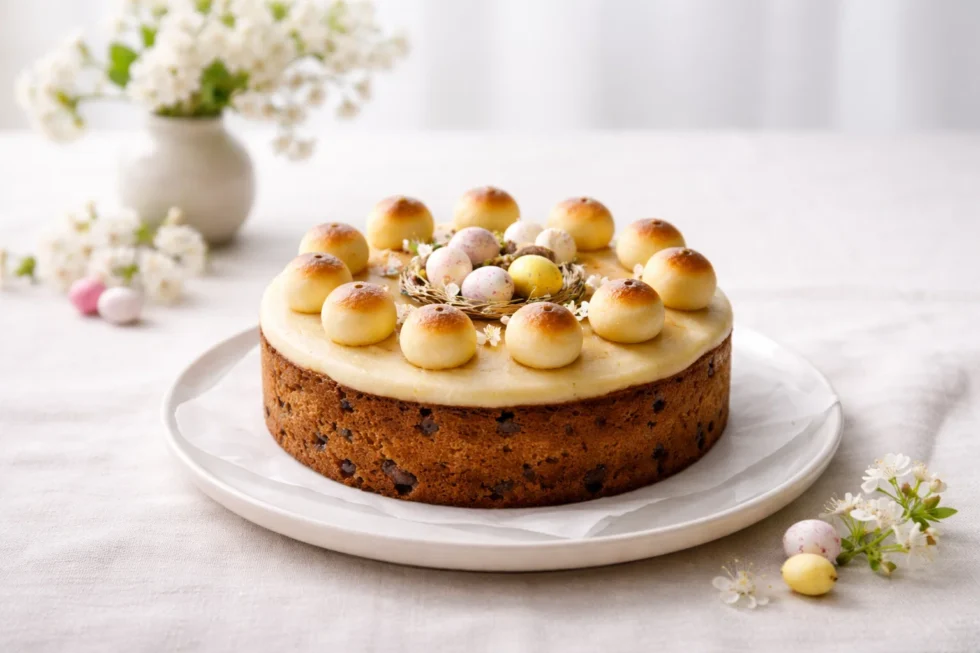
One of the most recognisable foods associated with the holiday is Simnel cake, a fruit cake covered with marzipan. The cake is decorated with 11 marzipan balls representing the apostles.
Simple Simnel cake recipe
Ingredients
250 g butter
250 g brown sugar
4 eggs
250 g flour
400 g mixed dried fruit
100 g candied peel
2 tsp mixed spice
300 g marzipan
2 tbsp apricot jam
Preparation
- Preheat oven to 160°C.
- Mix butter and sugar until creamy.
- Add eggs gradually.
- Fold in flour, spices and dried fruit.
- Place half the batter in a cake tin and add a marzipan layer.
- Cover with remaining batter.
- Bake for around 2 hours.
- Brush the top with apricot jam and cover with marzipan.
- Form 11 marzipan balls and place them on top.
The cake is traditionally served with afternoon tea on Mother’s Day Sunday.
Read about the life of Westminster and Pimlico district, London and the world. 24/7 news with fresh and useful updates on culture, business, technology and city life:International Women’s Day 2026 in London and Britain: Why 8 March Still Shapes Policy, Business and Society