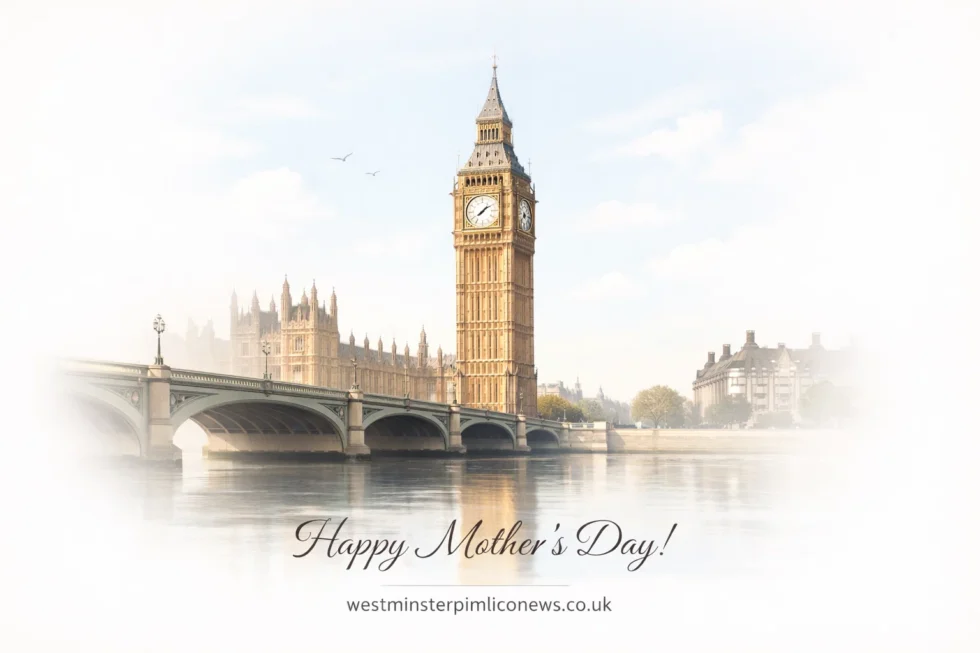
Mother’s Day in UK— traditionally known as Mothering Sunday — falls in 2026 on 15 March, marking one of the most heartfelt family occasions of the British spring calendar. Across England, Scotland, Wales and Northern Ireland the day is observed through small but meaningful gestures: flowers on the kitchen table, handwritten cards, family lunches and messages sent early in the morning to thank mothers for their patience, support and quiet influence in everyday life. In London, the atmosphere of Mothering Sunday is particularly visible. Florists across the capital prepare days in advance as families arrange bouquets, while restaurants and cafés expect a full day of bookings for brunches and traditional Sunday lunches.

Ordering flowers in London — especially in central districts such as Westminster — has become one of the most common ways to mark the day, with many residents choosing to send bouquets to their mothers’ homes or workplaces as a simple expression of appreciation. Although the modern celebration sometimes resembles the American Mother’s Day held in May, the British tradition has deeper historical roots. Mothering Sunday was originally linked to the fourth Sunday of Lent, when people returned to their “mother church” and domestic servants were often allowed to travel home to see their families. Over time the custom evolved from a religious observance into a broader celebration of motherhood itself.

Today the spirit of the holiday is less about ceremony and more about the personal moments that shape family life: breakfast prepared by children, a walk through a park, a phone call from another city or a bouquet delivered to the door. In neighbourhoods across London — from Westminster to Kensington and beyond — florists report that Mother’s Day remains one of the busiest days of the year as families organise last-minute arrangements to ensure that a message of appreciation arrives on time.

As The WP Times reports, the modern British celebration continues to combine centuries-old tradition with contemporary habits, from handwritten greeting cards to digital messages shared across messaging apps. What has remained unchanged, however, is the purpose of the day itself — a moment to pause and acknowledge the role mothers play in shaping family life. The sections below highlight some of the most thoughtful ways families in Britain mark Mothering Sunday today, along with the most popular greetings and gestures used on 15 March 2026.
Mother’s Day 2026 London guide for Sunday 15 March: best wishes, traditions, gifts and ways families celebrate Mothering Sunday across the UK with brunch, flowers and time together.

Why Mother’s Day wishes remain one of the most important traditions

While flowers, gifts and restaurant lunches remain central to Mothering Sunday, personal messages continue to play a distinctive role in British Mother’s Day traditions. Greeting cards have been part of the celebration for nearly a century, and many families still prefer handwritten notes that express genuine appreciation rather than relying solely on printed phrases. A well-written Mother’s Day message resonates because it acknowledges the everyday role mothers play in family life. The most meaningful wishes often refer to qualities such as patience, encouragement and constant support — contributions that shape family relationships but are rarely recognised openly in daily routines. In many British households, the day begins with a simple ritual: children present a card or small gift in the morning, while adult children often send messages through WhatsApp or other messaging apps before meeting later for lunch, afternoon tea or a family dinner. Even in an era of digital communication, the act of writing a thoughtful message remains one of the most personal gestures associated with the holiday.
Mother’s Day in the United Kingdom — traditionally known as Mothering Sunday — falls in 2026 on 15 March, marking one of the most heartfelt family occasions of the British spring calendar. Across England, Scotland, Wales and Northern Ireland the day is observed through small but meaningful gestures: flowers on the kitchen table, handwritten cards, family lunches and messages sent early in the morning to thank mothers for their patience, support and quiet influence in everyday life.In London, the atmosphere of Mothering Sunday is particularly visible. Florists across the capital prepare days in advance as families arrange bouquets, while restaurants and cafés expect a full day of bookings for brunches and traditional Sunday lunches. Ordering flowers in London — especially in central districts such as Westminster — has become one of the most common ways to mark the day, with many residents choosing to send bouquets to their mothers’ homes or workplaces as a simple expression of appreciation. Although the modern celebration sometimes resembles the American Mother’s Day held in May, the British tradition has deeper historical roots. Mothering Sunday was originally linked to the fourth Sunday of Lent, when people returned to their “mother church” and domestic servants were often allowed to travel home to see their families. Over time the custom evolved from a religious observance into a broader celebration of motherhood itself.Today the spirit of the holiday is less about ceremony and more about the personal moments that shape family life: breakfast prepared by children, a walk through a park, a phone call from another city or a bouquet delivered to the door. In neighbourhoods across London — from Westminster to Kensington and beyond — florists report that Mother’s Day remains one of the busiest days of the year as families organise last-minute arrangements to ensure that a message of appreciation arrives on time.As The WP Times reports, the modern British celebration continues to combine centuries-old tradition with contemporary habits, from handwritten greeting cards to digital messages shared across messaging apps. What has remained unchanged, however, is the purpose of the day itself — a moment to pause and acknowledge the role mothers play in shaping family life. The sections below highlight some of the most thoughtful ways families in Britain mark Mothering Sunday today, along with the most popular greetings and gestures used on 15 March 2026.Why Mother’s Day wishes remain one of the most important traditionsWhile flowers, gifts and restaurant lunches remain central to Mothering Sunday, personal messages continue to play a distinctive role in British Mother’s Day traditions. Greeting cards have been part of the celebration for nearly a century, and many families still prefer handwritten notes that express genuine appreciation rather than relying solely on printed phrases. A well-written Mother’s Day message resonates because it acknowledges the everyday role mothers play in family life. The most meaningful wishes often refer to qualities such as patience, encouragement and constant support — contributions that shape family relationships but are rarely recognised openly in daily routines. In many British households, the day begins with a simple ritual: children present a card or small gift in the morning, while adult children often send messages through WhatsApp or other messaging apps before meeting later for lunch, afternoon tea or a family dinner. Even in an era of digital communication, the act of writing a thoughtful message remains one of the most personal gestures associated with the holiday.The enduring strength of this tradition lies in its simplicity. Mothering Sunday offers families a rare moment to pause and express gratitude — a message of appreciation that might otherwise remain unspoken during the routines of everyday life.Short Mother’s Day messages for WhatsApp and social mediaAlongside traditional greeting cards, digital messages have become one of the most common ways to поздравить mothers on Mothering Sunday. Many families begin the day by sending a short message through WhatsApp, Instagram or Facebook, especially when relatives live in different cities or countries.These brief greetings are typically sent early on Mother’s Day morning, often before families meet later for brunch, lunch or a Sunday roast. The most widely shared messages are simple, warm and personal. Examples of short Mother’s Day wishes commonly shared online include:• Happy Mother’s Day — thank you for everything you do every day.
• Wishing you a wonderful Mother’s Day filled with love.
• Thank you for always being there with patience and support.
• Happy Mother’s Day to the most amazing mum.
• Hope your day is full of laughter, flowers and family time.
• Sending love and appreciation this Mother’s Day.
• You deserve the most beautiful day today.
• Thank you for all the care and strength you give our family.
• Thinking of you today and sending lots of love.
• Happy Mother’s Day to the heart of our family.In recent years, many people also share these messages as Instagram captions, Facebook posts or WhatsApp status updates, often accompanied by family photos or flowers. Even in a digital age, the purpose remains the same: a short message of appreciation that recognises the everyday role mothers play in family life.The Best Mother’s Day Wishes in Britain This YearWhile flowers, lunches and small gifts remain central to Mothering Sunday, personal messages continue to be one of the most meaningful traditions of the day. Across Britain millions of greeting cards are exchanged every year, and many families still prefer handwritten messages that express genuine appreciation rather than relying solely on printed phrases.The most common wishes focus on gratitude, kindness and recognition of the everyday support mothers provide to their families. These short messages are widely used in greeting cards, social media posts and WhatsApp messages on Mother’s Day morning. Some of the most popular wishes shared across the UK include:• Happy Mother’s Day. Thank you for everything you do for our family every day.
• Wishing you a wonderful Mother’s Day filled with love and appreciation.
• To the most amazing mum — today we celebrate you.
• Thank you for your endless patience, kindness and support.
• Happy Mother’s Day to the heart of our family.
• You make our lives brighter every single day.
• Sending love and gratitude on this special day.
• Thank you for always being there when we need you most.
• Happy Mother’s Day to someone who means the world to us.
• Wishing you a beautiful Mother’s Day surrounded by love.Longer Messages For A Mother’s Day CardWhile short greetings are common, many people prefer more personal and reflective messages when writing inside a card. These notes often focus on family memories, gratitude and the lasting influence of mothers in everyday life. Examples of longer messages commonly used in Mother’s Day cards include:• Thank you for every hug, every word of encouragement and every moment of love you have given throughout my life. Happy Mother’s Day.• You have always been the person who keeps our family strong. Today we celebrate everything you do for us.• Your kindness, patience and strength inspire us every day. Wishing you a wonderful Mother’s Day.• I am grateful for everything you have done for me and everything you continue to do.• Mother’s Day is the perfect moment to say how much you mean to our family.Mother’s Day Wishes For GrandmothersMothering Sunday in Britain is also widely used as an opportunity to celebrate grandmothers, who often play an important role in family life. Common messages include:• Happy Mother’s Day to the most wonderful grandmother.
• Your love and wisdom have shaped our family for generations.
• Thank you for your kindness, warmth and guidance.
• Wishing you a peaceful and joyful Mother’s Day.
• You make every family moment special.Inspirational Quotes Often Used On Mother’s DayMany people include short quotes inside cards or social media posts to express appreciation for mothers. Some of the most widely shared phrases include:• A mother’s love shapes the world in ways that are often invisible but always powerful.
• The influence of a mother lasts a lifetime.
• A mother’s care becomes the foundation of a family.
• Love, patience and strength are the quiet gifts mothers give every day.
• Behind every strong family there is often a remarkable mother.The Most Popular Mother’s Day Gifts In The UKAlongside greeting cards and messages, many families choose a small present to mark the occasion. Flowers remain the most traditional Mother’s Day gift in Britain, but other experiences and keepsakes are also common.GiftWhy it’s popularFlowersclassic symbol of appreciationChocolatessimple and widely lovedJewellerysentimental keepsakeAfternoon teatraditional British experienceSpa vouchersrelaxing treatFlorists across the UK consistently report that Mother’s Day is one of the busiest days of the year. Spring flowers such as tulips, roses and daffodils dominate Mother’s Day bouquets.How Families Celebrate Mother’s Day TodayIn modern Britain, Mother’s Day — traditionally known as Mothering Sunday — remains primarily a family occasion centred around appreciation and time spent together. Unlike many public holidays, the celebration rarely involves large public events. Instead, families mark the day through simple traditions that focus on gratitude and connection. In cities such as London, Manchester, Birmingham and Edinburgh, the day often begins with greeting cards, flowers and small surprises at home. Florists, bakeries and restaurants prepare weeks in advance because Mother’s Day consistently becomes one of the busiest weekends of the spring season.For many people searching online on the morning of the holiday, the most common question is how to organise a last-minute gesture — whether that means writing a heartfelt message, planning a family lunch or ordering flowers for same-day delivery.Giving Greeting Cards And MessagesOne of the most enduring British traditions is the exchange of Mother’s Day greeting cards. Many families begin the day by giving a handwritten card together with flowers or a small gift. Children often create handmade cards at school, while adults usually choose printed cards and add personal messages inside.Short greetings sent through WhatsApp, Instagram or Facebook have also become common, particularly when families live in different cities or countries. Even in a digital era, the purpose of the message remains unchanged: expressing appreciation for the person who holds much of family life together.Ordering flowers in London and WestminsterFlowers remain the most traditional Mother’s Day gift in Britain. Florists across the country report that Mothering Sunday is one of their busiest days of the year. In London, many people choose to order flowers online with same-day delivery, particularly in central districts such as Westminster, Kensington, Chelsea and Covent Garden. Typical flower delivery searches on Mother’s Day include:• order flowers London same day
• flower delivery Westminster London
• Mother’s Day flowers London
• best florists in Westminster LondonPopular Mother’s Day bouquets usually feature seasonal spring flowers such as:FlowerMeaningTulipsaffection and warmthDaffodilsrenewal and springRoseslove and appreciationPeoniesgratitude and beautyMany London florists offer same-day flower delivery across Westminster and central London, making it possible to organise a thoughtful gift even at short notice.Preparing breakfast in bedAnother beloved tradition is breakfast in bed, especially in families with young children. The idea is simple but symbolic: giving mothers a moment to relax while the rest of the household prepares a morning treat. Typical Mother’s Day breakfasts include:• coffee or tea
• toast or croissants
• fresh fruit
• pancakes or pastriesAlthough modest, this gesture often becomes one of the most memorable moments of the day.Planning a special family lunch or dinnerRestaurants across Britain see a major surge in bookings during Mother’s Day weekend. Many venues create special menus featuring traditional British dishes and desserts. Popular Mother’s Day meals include:• Sunday roast
• afternoon tea
• seasonal spring menus
• family brunchHowever, many families prefer to cook at home, turning the meal into a relaxed celebration rather than a formal outing.Visiting grandparents and extended familyMother’s Day often becomes an opportunity to bring several generations together. Many families use the day to visit grandparents or organise gatherings that include aunts, sisters and extended relatives. This reflects the broader meaning of Mothering Sunday — celebrating the women who shape family life across generations.Sharing photos and messages onlineIn recent years, social media has become another part of the celebration. People frequently share photos with their mothers on Instagram, Facebook or WhatsApp, often accompanied by short messages of appreciation. Although digital greetings cannot replace personal interaction, they allow families to celebrate mothers publicly and share memories with friends and relatives.The Most Meaningful Tradition: Spending Time TogetherDespite the popularity of flowers, greeting cards and restaurant reservations, the most important element of Mothering Sunday in Britain remains time spent together as a family. For many households the day is not defined by expensive gifts but by the opportunity to slow down and share a moment that everyday routines rarely allow.Across the UK families often mark the occasion with simple activities — a home-cooked Sunday lunch, an afternoon tea outing, or a walk in a local park as spring begins to arrive. These shared experiences frequently become the most memorable part of the celebration, especially in cities where work schedules and daily responsibilities leave little time for extended family gatherings.Mothering Sunday therefore serves a broader purpose beyond gifts and celebrations. It creates a moment in the calendar when families consciously pause to recognise the quiet, consistent role mothers play in supporting family life. In a society where appreciation is often implied rather than expressed, the day offers a rare opportunity to acknowledge that care directly.Why Mothering Sunday still matters in BritainDespite its commercial aspects, Mothering Sunday remains one of the most meaningful family traditions in Britain. The day focuses on something that often receives little attention in everyday routines: recognising the role mothers play in supporting families, organising daily life and maintaining emotional connections across generations.In many households the responsibilities of mothers — from childcare and education to managing family schedules and household decisions — are treated as part of normal life and rarely discussed directly. Mothering Sunday creates a specific moment in the calendar when families intentionally acknowledge that contribution. Across Britain the gesture itself is usually simple. Children prepare handwritten cards at school, adult children organise a family lunch or afternoon tea, and many families choose to spend time together rather than focus on expensive gifts. The emphasis is less on the value of the present and more on the act of recognition. In this sense Mothering Sunday continues to matter because it preserves a cultural tradition built around appreciation. For many British families the message behind the day remains straightforward: taking the time to recognise the person who quietly holds much of family life together.Read about the life of Westminster and Pimlico district, London and the world. 24/7 news with fresh and useful updates on culture, business, technology and city life: Mother’s Day 2026 in Britain and London: date, traditions and how Mothering Sunday is celebrated

The enduring strength of this tradition lies in its simplicity. Mothering Sunday offers families a rare moment to pause and express gratitude — a message of appreciation that might otherwise remain unspoken during the routines of everyday life.

Short Mother’s Day messages for WhatsApp and social media

Alongside traditional greeting cards, digital messages have become one of the most common ways to поздравить mothers on Mothering Sunday. Many families begin the day by sending a short message through WhatsApp, Instagram or Facebook, especially when relatives live in different cities or countries.

These brief greetings are typically sent early on Mother’s Day morning, often before families meet later for brunch, lunch or a Sunday roast. The most widely shared messages are simple, warm and personal. Examples of short Mother’s Day wishes commonly shared online include:

• Happy Mother’s Day — thank you for everything you do every day.
• Wishing you a wonderful Mother’s Day filled with love.
• Thank you for always being there with patience and support.
• Happy Mother’s Day to the most amazing mum.
• Hope your day is full of laughter, flowers and family time.
• Sending love and appreciation this Mother’s Day.
• You deserve the most beautiful day today.
• Thank you for all the care and strength you give our family.
• Thinking of you today and sending lots of love.
• Happy Mother’s Day to the heart of our family.

In recent years, many people also share these messages as Instagram captions, Facebook posts or WhatsApp status updates, often accompanied by family photos or flowers. Even in a digital age, the purpose remains the same: a short message of appreciation that recognises the everyday role mothers play in family life.

The Best Mother’s Day Wishes in Britain This Year

While flowers, lunches and small gifts remain central to Mothering Sunday, personal messages continue to be one of the most meaningful traditions of the day. Across Britain millions of greeting cards are exchanged every year, and many families still prefer handwritten messages that express genuine appreciation rather than relying solely on printed phrases.

The most common wishes focus on gratitude, kindness and recognition of the everyday support mothers provide to their families. These short messages are widely used in greeting cards, social media posts and WhatsApp messages on Mother’s Day morning. Some of the most popular wishes shared across the UK include:

• Happy Mother’s Day. Thank you for everything you do for our family every day.
• Wishing you a wonderful Mother’s Day filled with love and appreciation.
• To the most amazing mum — today we celebrate you.
• Thank you for your endless patience, kindness and support.
• Happy Mother’s Day to the heart of our family.
• You make our lives brighter every single day.
• Sending love and gratitude on this special day.
• Thank you for always being there when we need you most.
• Happy Mother’s Day to someone who means the world to us.
• Wishing you a beautiful Mother’s Day surrounded by love.

Longer Messages For A Mother’s Day Card
Mother’s Day in the United Kingdom — traditionally known as Mothering Sunday — falls in 2026 on 15 March, marking one of the most heartfelt family occasions of the British spring calendar. Across England, Scotland, Wales and Northern Ireland the day is observed through small but meaningful gestures: flowers on the kitchen table, handwritten cards, family lunches and messages sent early in the morning to thank mothers for their patience, support and quiet influence in everyday life.In London, the atmosphere of Mothering Sunday is particularly visible. Florists across the capital prepare days in advance as families arrange bouquets, while restaurants and cafés expect a full day of bookings for brunches and traditional Sunday lunches. Ordering flowers in London — especially in central districts such as Westminster — has become one of the most common ways to mark the day, with many residents choosing to send bouquets to their mothers’ homes or workplaces as a simple expression of appreciation. Although the modern celebration sometimes resembles the American Mother’s Day held in May, the British tradition has deeper historical roots. Mothering Sunday was originally linked to the fourth Sunday of Lent, when people returned to their “mother church” and domestic servants were often allowed to travel home to see their families. Over time the custom evolved from a religious observance into a broader celebration of motherhood itself.Today the spirit of the holiday is less about ceremony and more about the personal moments that shape family life: breakfast prepared by children, a walk through a park, a phone call from another city or a bouquet delivered to the door. In neighbourhoods across London — from Westminster to Kensington and beyond — florists report that Mother’s Day remains one of the busiest days of the year as families organise last-minute arrangements to ensure that a message of appreciation arrives on time.As The WP Times reports, the modern British celebration continues to combine centuries-old tradition with contemporary habits, from handwritten greeting cards to digital messages shared across messaging apps. What has remained unchanged, however, is the purpose of the day itself — a moment to pause and acknowledge the role mothers play in shaping family life. The sections below highlight some of the most thoughtful ways families in Britain mark Mothering Sunday today, along with the most popular greetings and gestures used on 15 March 2026.Why Mother’s Day wishes remain one of the most important traditionsWhile flowers, gifts and restaurant lunches remain central to Mothering Sunday, personal messages continue to play a distinctive role in British Mother’s Day traditions. Greeting cards have been part of the celebration for nearly a century, and many families still prefer handwritten notes that express genuine appreciation rather than relying solely on printed phrases. A well-written Mother’s Day message resonates because it acknowledges the everyday role mothers play in family life. The most meaningful wishes often refer to qualities such as patience, encouragement and constant support — contributions that shape family relationships but are rarely recognised openly in daily routines. In many British households, the day begins with a simple ritual: children present a card or small gift in the morning, while adult children often send messages through WhatsApp or other messaging apps before meeting later for lunch, afternoon tea or a family dinner. Even in an era of digital communication, the act of writing a thoughtful message remains one of the most personal gestures associated with the holiday.The enduring strength of this tradition lies in its simplicity. Mothering Sunday offers families a rare moment to pause and express gratitude — a message of appreciation that might otherwise remain unspoken during the routines of everyday life.Short Mother’s Day messages for WhatsApp and social mediaAlongside traditional greeting cards, digital messages have become one of the most common ways to поздравить mothers on Mothering Sunday. Many families begin the day by sending a short message through WhatsApp, Instagram or Facebook, especially when relatives live in different cities or countries.These brief greetings are typically sent early on Mother’s Day morning, often before families meet later for brunch, lunch or a Sunday roast. The most widely shared messages are simple, warm and personal. Examples of short Mother’s Day wishes commonly shared online include:• Happy Mother’s Day — thank you for everything you do every day.
• Wishing you a wonderful Mother’s Day filled with love.
• Thank you for always being there with patience and support.
• Happy Mother’s Day to the most amazing mum.
• Hope your day is full of laughter, flowers and family time.
• Sending love and appreciation this Mother’s Day.
• You deserve the most beautiful day today.
• Thank you for all the care and strength you give our family.
• Thinking of you today and sending lots of love.
• Happy Mother’s Day to the heart of our family.In recent years, many people also share these messages as Instagram captions, Facebook posts or WhatsApp status updates, often accompanied by family photos or flowers. Even in a digital age, the purpose remains the same: a short message of appreciation that recognises the everyday role mothers play in family life.The Best Mother’s Day Wishes in Britain This YearWhile flowers, lunches and small gifts remain central to Mothering Sunday, personal messages continue to be one of the most meaningful traditions of the day. Across Britain millions of greeting cards are exchanged every year, and many families still prefer handwritten messages that express genuine appreciation rather than relying solely on printed phrases.The most common wishes focus on gratitude, kindness and recognition of the everyday support mothers provide to their families. These short messages are widely used in greeting cards, social media posts and WhatsApp messages on Mother’s Day morning. Some of the most popular wishes shared across the UK include:• Happy Mother’s Day. Thank you for everything you do for our family every day.
• Wishing you a wonderful Mother’s Day filled with love and appreciation.
• To the most amazing mum — today we celebrate you.
• Thank you for your endless patience, kindness and support.
• Happy Mother’s Day to the heart of our family.
• You make our lives brighter every single day.
• Sending love and gratitude on this special day.
• Thank you for always being there when we need you most.
• Happy Mother’s Day to someone who means the world to us.
• Wishing you a beautiful Mother’s Day surrounded by love.Longer Messages For A Mother’s Day CardWhile short greetings are common, many people prefer more personal and reflective messages when writing inside a card. These notes often focus on family memories, gratitude and the lasting influence of mothers in everyday life. Examples of longer messages commonly used in Mother’s Day cards include:• Thank you for every hug, every word of encouragement and every moment of love you have given throughout my life. Happy Mother’s Day.• You have always been the person who keeps our family strong. Today we celebrate everything you do for us.• Your kindness, patience and strength inspire us every day. Wishing you a wonderful Mother’s Day.• I am grateful for everything you have done for me and everything you continue to do.• Mother’s Day is the perfect moment to say how much you mean to our family.Mother’s Day Wishes For GrandmothersMothering Sunday in Britain is also widely used as an opportunity to celebrate grandmothers, who often play an important role in family life. Common messages include:• Happy Mother’s Day to the most wonderful grandmother.
• Your love and wisdom have shaped our family for generations.
• Thank you for your kindness, warmth and guidance.
• Wishing you a peaceful and joyful Mother’s Day.
• You make every family moment special.Inspirational Quotes Often Used On Mother’s DayMany people include short quotes inside cards or social media posts to express appreciation for mothers. Some of the most widely shared phrases include:• A mother’s love shapes the world in ways that are often invisible but always powerful.
• The influence of a mother lasts a lifetime.
• A mother’s care becomes the foundation of a family.
• Love, patience and strength are the quiet gifts mothers give every day.
• Behind every strong family there is often a remarkable mother.The Most Popular Mother’s Day Gifts In The UKAlongside greeting cards and messages, many families choose a small present to mark the occasion. Flowers remain the most traditional Mother’s Day gift in Britain, but other experiences and keepsakes are also common.GiftWhy it’s popularFlowersclassic symbol of appreciationChocolatessimple and widely lovedJewellerysentimental keepsakeAfternoon teatraditional British experienceSpa vouchersrelaxing treatFlorists across the UK consistently report that Mother’s Day is one of the busiest days of the year. Spring flowers such as tulips, roses and daffodils dominate Mother’s Day bouquets.How Families Celebrate Mother’s Day TodayIn modern Britain, Mother’s Day — traditionally known as Mothering Sunday — remains primarily a family occasion centred around appreciation and time spent together. Unlike many public holidays, the celebration rarely involves large public events. Instead, families mark the day through simple traditions that focus on gratitude and connection. In cities such as London, Manchester, Birmingham and Edinburgh, the day often begins with greeting cards, flowers and small surprises at home. Florists, bakeries and restaurants prepare weeks in advance because Mother’s Day consistently becomes one of the busiest weekends of the spring season.For many people searching online on the morning of the holiday, the most common question is how to organise a last-minute gesture — whether that means writing a heartfelt message, planning a family lunch or ordering flowers for same-day delivery.Giving Greeting Cards And MessagesOne of the most enduring British traditions is the exchange of Mother’s Day greeting cards. Many families begin the day by giving a handwritten card together with flowers or a small gift. Children often create handmade cards at school, while adults usually choose printed cards and add personal messages inside.Short greetings sent through WhatsApp, Instagram or Facebook have also become common, particularly when families live in different cities or countries. Even in a digital era, the purpose of the message remains unchanged: expressing appreciation for the person who holds much of family life together.Ordering flowers in London and WestminsterFlowers remain the most traditional Mother’s Day gift in Britain. Florists across the country report that Mothering Sunday is one of their busiest days of the year. In London, many people choose to order flowers online with same-day delivery, particularly in central districts such as Westminster, Kensington, Chelsea and Covent Garden. Typical flower delivery searches on Mother’s Day include:• order flowers London same day
• flower delivery Westminster London
• Mother’s Day flowers London
• best florists in Westminster LondonPopular Mother’s Day bouquets usually feature seasonal spring flowers such as:FlowerMeaningTulipsaffection and warmthDaffodilsrenewal and springRoseslove and appreciationPeoniesgratitude and beautyMany London florists offer same-day flower delivery across Westminster and central London, making it possible to organise a thoughtful gift even at short notice.Preparing breakfast in bedAnother beloved tradition is breakfast in bed, especially in families with young children. The idea is simple but symbolic: giving mothers a moment to relax while the rest of the household prepares a morning treat. Typical Mother’s Day breakfasts include:• coffee or tea
• toast or croissants
• fresh fruit
• pancakes or pastriesAlthough modest, this gesture often becomes one of the most memorable moments of the day.Planning a special family lunch or dinnerRestaurants across Britain see a major surge in bookings during Mother’s Day weekend. Many venues create special menus featuring traditional British dishes and desserts. Popular Mother’s Day meals include:• Sunday roast
• afternoon tea
• seasonal spring menus
• family brunchHowever, many families prefer to cook at home, turning the meal into a relaxed celebration rather than a formal outing.Visiting grandparents and extended familyMother’s Day often becomes an opportunity to bring several generations together. Many families use the day to visit grandparents or organise gatherings that include aunts, sisters and extended relatives. This reflects the broader meaning of Mothering Sunday — celebrating the women who shape family life across generations.Sharing photos and messages onlineIn recent years, social media has become another part of the celebration. People frequently share photos with their mothers on Instagram, Facebook or WhatsApp, often accompanied by short messages of appreciation. Although digital greetings cannot replace personal interaction, they allow families to celebrate mothers publicly and share memories with friends and relatives.The Most Meaningful Tradition: Spending Time TogetherDespite the popularity of flowers, greeting cards and restaurant reservations, the most important element of Mothering Sunday in Britain remains time spent together as a family. For many households the day is not defined by expensive gifts but by the opportunity to slow down and share a moment that everyday routines rarely allow.Across the UK families often mark the occasion with simple activities — a home-cooked Sunday lunch, an afternoon tea outing, or a walk in a local park as spring begins to arrive. These shared experiences frequently become the most memorable part of the celebration, especially in cities where work schedules and daily responsibilities leave little time for extended family gatherings.Mothering Sunday therefore serves a broader purpose beyond gifts and celebrations. It creates a moment in the calendar when families consciously pause to recognise the quiet, consistent role mothers play in supporting family life. In a society where appreciation is often implied rather than expressed, the day offers a rare opportunity to acknowledge that care directly.Why Mothering Sunday still matters in BritainDespite its commercial aspects, Mothering Sunday remains one of the most meaningful family traditions in Britain. The day focuses on something that often receives little attention in everyday routines: recognising the role mothers play in supporting families, organising daily life and maintaining emotional connections across generations.In many households the responsibilities of mothers — from childcare and education to managing family schedules and household decisions — are treated as part of normal life and rarely discussed directly. Mothering Sunday creates a specific moment in the calendar when families intentionally acknowledge that contribution. Across Britain the gesture itself is usually simple. Children prepare handwritten cards at school, adult children organise a family lunch or afternoon tea, and many families choose to spend time together rather than focus on expensive gifts. The emphasis is less on the value of the present and more on the act of recognition. In this sense Mothering Sunday continues to matter because it preserves a cultural tradition built around appreciation. For many British families the message behind the day remains straightforward: taking the time to recognise the person who quietly holds much of family life together.Read about the life of Westminster and Pimlico district, London and the world. 24/7 news with fresh and useful updates on culture, business, technology and city life: Mother’s Day 2026 in Britain and London: date, traditions and how Mothering Sunday is celebrated

While short greetings are common, many people prefer more personal and reflective messages when writing inside a card. These notes often focus on family memories, gratitude and the lasting influence of mothers in everyday life. Examples of longer messages commonly used in Mother’s Day cards include:

• Thank you for every hug, every word of encouragement and every moment of love you have given throughout my life. Happy Mother’s Day.

• You have always been the person who keeps our family strong. Today we celebrate everything you do for us.

• Your kindness, patience and strength inspire us every day. Wishing you a wonderful Mother’s Day.

• I am grateful for everything you have done for me and everything you continue to do.

• Mother’s Day is the perfect moment to say how much you mean to our family.

Mother’s Day Wishes For Grandmothers

Mothering Sunday in Britain is also widely used as an opportunity to celebrate grandmothers, who often play an important role in family life. Common messages include:

• Happy Mother’s Day to the most wonderful grandmother.
• Your love and wisdom have shaped our family for generations.
• Thank you for your kindness, warmth and guidance.
• Wishing you a peaceful and joyful Mother’s Day.
• You make every family moment special.

Inspirational Quotes Often Used On Mother’s Day

Many people include short quotes inside cards or social media posts to express appreciation for mothers. Some of the most widely shared phrases include:

• A mother’s love shapes the world in ways that are often invisible but always powerful.
• The influence of a mother lasts a lifetime.
• A mother’s care becomes the foundation of a family.
• Love, patience and strength are the quiet gifts mothers give every day.
• Behind every strong family there is often a remarkable mother.

The Most Popular Mother’s Day Gifts In The UK

Alongside greeting cards and messages, many families choose a small present to mark the occasion. Flowers remain the most traditional Mother’s Day gift in Britain, but other experiences and keepsakes are also common.

GiftWhy it’s popular
Flowersclassic symbol of appreciation
Chocolatessimple and widely loved
Jewellerysentimental keepsake
Afternoon teatraditional British experience
Spa vouchersrelaxing treat

Florists across the UK consistently report that Mother’s Day is one of the busiest days of the year. Spring flowers such as tulips, roses and daffodils dominate Mother’s Day bouquets.

How Families Celebrate Mother’s Day Today

In modern Britain, Mother’s Day — traditionally known as Mothering Sunday — remains primarily a family occasion centred around appreciation and time spent together. Unlike many public holidays, the celebration rarely involves large public events. Instead, families mark the day through simple traditions that focus on gratitude and connection. In cities such as London, Manchester, Birmingham and Edinburgh, the day often begins with greeting cards, flowers and small surprises at home. Florists, bakeries and restaurants prepare weeks in advance because Mother’s Day consistently becomes one of the busiest weekends of the spring season.

For many people searching online on the morning of the holiday, the most common question is how to organise a last-minute gesture — whether that means writing a heartfelt message, planning a family lunch or ordering flowers for same-day delivery.

Giving Greeting Cards And Messages

One of the most enduring British traditions is the exchange of Mother’s Day greeting cards. Many families begin the day by giving a handwritten card together with flowers or a small gift. Children often create handmade cards at school, while adults usually choose printed cards and add personal messages inside.Short greetings sent through WhatsApp, Instagram or Facebook have also become common, particularly when families live in different cities or countries. Even in a digital era, the purpose of the message remains unchanged: expressing appreciation for the person who holds much of family life together.

Ordering flowers in London and Westminster

Flowers remain the most traditional Mother’s Day gift in Britain. Florists across the country report that Mothering Sunday is one of their busiest days of the year. In London, many people choose to order flowers online with same-day delivery, particularly in central districts such as Westminster, Kensington, Chelsea and Covent Garden. Typical flower delivery searches on Mother’s Day include:

• order flowers London same day
• flower delivery Westminster London
• Mother’s Day flowers London
• best florists in Westminster London

Popular Mother’s Day bouquets usually feature seasonal spring flowers such as:

FlowerMeaning
Tulipsaffection and warmth
Daffodilsrenewal and spring
Roseslove and appreciation
Peoniesgratitude and beauty

Many London florists offer same-day flower delivery across Westminster and central London, making it possible to organise a thoughtful gift even at short notice.

Preparing breakfast in bed

Another beloved tradition is breakfast in bed, especially in families with young children. The idea is simple but symbolic: giving mothers a moment to relax while the rest of the household prepares a morning treat. Typical Mother’s Day breakfasts include:

• coffee or tea
• toast or croissants
• fresh fruit
• pancakes or pastries

Although modest, this gesture often becomes one of the most memorable moments of the day.

Planning a special family lunch or dinner

Restaurants across Britain see a major surge in bookings during Mother’s Day weekend. Many venues create special menus featuring traditional British dishes and desserts. Popular Mother’s Day meals include:

• Sunday roast
• afternoon tea
• seasonal spring menus
• family brunch

However, many families prefer to cook at home, turning the meal into a relaxed celebration rather than a formal outing.

Visiting grandparents and extended family

Mother’s Day often becomes an opportunity to bring several generations together. Many families use the day to visit grandparents or organise gatherings that include aunts, sisters and extended relatives. This reflects the broader meaning of Mothering Sunday — celebrating the women who shape family life across generations.

Sharing photos and messages online

In recent years, social media has become another part of the celebration. People frequently share photos with their mothers on Instagram, Facebook or WhatsApp, often accompanied by short messages of appreciation. Although digital greetings cannot replace personal interaction, they allow families to celebrate mothers publicly and share memories with friends and relatives.

The Most Meaningful Tradition: Spending Time Together

Despite the popularity of flowers, greeting cards and restaurant reservations, the most important element of Mothering Sunday in Britain remains time spent together as a family. For many households the day is not defined by expensive gifts but by the opportunity to slow down and share a moment that everyday routines rarely allow.

Across the UK families often mark the occasion with simple activities — a home-cooked Sunday lunch, an afternoon tea outing, or a walk in a local park as spring begins to arrive. These shared experiences frequently become the most memorable part of the celebration, especially in cities where work schedules and daily responsibilities leave little time for extended family gatherings.

Mothering Sunday therefore serves a broader purpose beyond gifts and celebrations. It creates a moment in the calendar when families consciously pause to recognise the quiet, consistent role mothers play in supporting family life. In a society where appreciation is often implied rather than expressed, the day offers a rare opportunity to acknowledge that care directly.

Why Mothering Sunday still matters in Britain

Despite its commercial aspects, Mothering Sunday remains one of the most meaningful family traditions in Britain. The day focuses on something that often receives little attention in everyday routines: recognising the role mothers play in supporting families, organising daily life and maintaining emotional connections across generations.

In many households the responsibilities of mothers — from childcare and education to managing family schedules and household decisions — are treated as part of normal life and rarely discussed directly. Mothering Sunday creates a specific moment in the calendar when families intentionally acknowledge that contribution. Across Britain the gesture itself is usually simple. Children prepare handwritten cards at school, adult children organise a family lunch or afternoon tea, and many families choose to spend time together rather than focus on expensive gifts. The emphasis is less on the value of the present and more on the act of recognition. In this sense Mothering Sunday continues to matter because it preserves a cultural tradition built around appreciation. For many British families the message behind the day remains straightforward: taking the time to recognise the person who quietly holds much of family life together.
Mother’s Day in the United Kingdom — traditionally known as Mothering Sunday — falls in 2026 on 15 March, marking one of the most heartfelt family occasions of the British spring calendar. Across England, Scotland, Wales and Northern Ireland the day is observed through small but meaningful gestures: flowers on the kitchen table, handwritten cards, family lunches and messages sent early in the morning to thank mothers for their patience, support and quiet influence in everyday life.In London, the atmosphere of Mothering Sunday is particularly visible. Florists across the capital prepare days in advance as families arrange bouquets, while restaurants and cafés expect a full day of bookings for brunches and traditional Sunday lunches. Ordering flowers in London — especially in central districts such as Westminster — has become one of the most common ways to mark the day, with many residents choosing to send bouquets to their mothers’ homes or workplaces as a simple expression of appreciation. Although the modern celebration sometimes resembles the American Mother’s Day held in May, the British tradition has deeper historical roots. Mothering Sunday was originally linked to the fourth Sunday of Lent, when people returned to their “mother church” and domestic servants were often allowed to travel home to see their families. Over time the custom evolved from a religious observance into a broader celebration of motherhood itself.Today the spirit of the holiday is less about ceremony and more about the personal moments that shape family life: breakfast prepared by children, a walk through a park, a phone call from another city or a bouquet delivered to the door. In neighbourhoods across London — from Westminster to Kensington and beyond — florists report that Mother’s Day remains one of the busiest days of the year as families organise last-minute arrangements to ensure that a message of appreciation arrives on time.As The WP Times reports, the modern British celebration continues to combine centuries-old tradition with contemporary habits, from handwritten greeting cards to digital messages shared across messaging apps. What has remained unchanged, however, is the purpose of the day itself — a moment to pause and acknowledge the role mothers play in shaping family life. The sections below highlight some of the most thoughtful ways families in Britain mark Mothering Sunday today, along with the most popular greetings and gestures used on 15 March 2026.Why Mother’s Day wishes remain one of the most important traditionsWhile flowers, gifts and restaurant lunches remain central to Mothering Sunday, personal messages continue to play a distinctive role in British Mother’s Day traditions. Greeting cards have been part of the celebration for nearly a century, and many families still prefer handwritten notes that express genuine appreciation rather than relying solely on printed phrases. A well-written Mother’s Day message resonates because it acknowledges the everyday role mothers play in family life. The most meaningful wishes often refer to qualities such as patience, encouragement and constant support — contributions that shape family relationships but are rarely recognised openly in daily routines. In many British households, the day begins with a simple ritual: children present a card or small gift in the morning, while adult children often send messages through WhatsApp or other messaging apps before meeting later for lunch, afternoon tea or a family dinner. Even in an era of digital communication, the act of writing a thoughtful message remains one of the most personal gestures associated with the holiday.The enduring strength of this tradition lies in its simplicity. Mothering Sunday offers families a rare moment to pause and express gratitude — a message of appreciation that might otherwise remain unspoken during the routines of everyday life.Short Mother’s Day messages for WhatsApp and social mediaAlongside traditional greeting cards, digital messages have become one of the most common ways to поздравить mothers on Mothering Sunday. Many families begin the day by sending a short message through WhatsApp, Instagram or Facebook, especially when relatives live in different cities or countries.These brief greetings are typically sent early on Mother’s Day morning, often before families meet later for brunch, lunch or a Sunday roast. The most widely shared messages are simple, warm and personal. Examples of short Mother’s Day wishes commonly shared online include:• Happy Mother’s Day — thank you for everything you do every day.
• Wishing you a wonderful Mother’s Day filled with love.
• Thank you for always being there with patience and support.
• Happy Mother’s Day to the most amazing mum.
• Hope your day is full of laughter, flowers and family time.
• Sending love and appreciation this Mother’s Day.
• You deserve the most beautiful day today.
• Thank you for all the care and strength you give our family.
• Thinking of you today and sending lots of love.
• Happy Mother’s Day to the heart of our family.In recent years, many people also share these messages as Instagram captions, Facebook posts or WhatsApp status updates, often accompanied by family photos or flowers. Even in a digital age, the purpose remains the same: a short message of appreciation that recognises the everyday role mothers play in family life.The Best Mother’s Day Wishes in Britain This YearWhile flowers, lunches and small gifts remain central to Mothering Sunday, personal messages continue to be one of the most meaningful traditions of the day. Across Britain millions of greeting cards are exchanged every year, and many families still prefer handwritten messages that express genuine appreciation rather than relying solely on printed phrases.The most common wishes focus on gratitude, kindness and recognition of the everyday support mothers provide to their families. These short messages are widely used in greeting cards, social media posts and WhatsApp messages on Mother’s Day morning. Some of the most popular wishes shared across the UK include:• Happy Mother’s Day. Thank you for everything you do for our family every day.
• Wishing you a wonderful Mother’s Day filled with love and appreciation.
• To the most amazing mum — today we celebrate you.
• Thank you for your endless patience, kindness and support.
• Happy Mother’s Day to the heart of our family.
• You make our lives brighter every single day.
• Sending love and gratitude on this special day.
• Thank you for always being there when we need you most.
• Happy Mother’s Day to someone who means the world to us.
• Wishing you a beautiful Mother’s Day surrounded by love.Longer Messages For A Mother’s Day CardWhile short greetings are common, many people prefer more personal and reflective messages when writing inside a card. These notes often focus on family memories, gratitude and the lasting influence of mothers in everyday life. Examples of longer messages commonly used in Mother’s Day cards include:• Thank you for every hug, every word of encouragement and every moment of love you have given throughout my life. Happy Mother’s Day.• You have always been the person who keeps our family strong. Today we celebrate everything you do for us.• Your kindness, patience and strength inspire us every day. Wishing you a wonderful Mother’s Day.• I am grateful for everything you have done for me and everything you continue to do.• Mother’s Day is the perfect moment to say how much you mean to our family.Mother’s Day Wishes For GrandmothersMothering Sunday in Britain is also widely used as an opportunity to celebrate grandmothers, who often play an important role in family life. Common messages include:• Happy Mother’s Day to the most wonderful grandmother.
• Your love and wisdom have shaped our family for generations.
• Thank you for your kindness, warmth and guidance.
• Wishing you a peaceful and joyful Mother’s Day.
• You make every family moment special.Inspirational Quotes Often Used On Mother’s DayMany people include short quotes inside cards or social media posts to express appreciation for mothers. Some of the most widely shared phrases include:• A mother’s love shapes the world in ways that are often invisible but always powerful.
• The influence of a mother lasts a lifetime.
• A mother’s care becomes the foundation of a family.
• Love, patience and strength are the quiet gifts mothers give every day.
• Behind every strong family there is often a remarkable mother.The Most Popular Mother’s Day Gifts In The UKAlongside greeting cards and messages, many families choose a small present to mark the occasion. Flowers remain the most traditional Mother’s Day gift in Britain, but other experiences and keepsakes are also common.GiftWhy it’s popularFlowersclassic symbol of appreciationChocolatessimple and widely lovedJewellerysentimental keepsakeAfternoon teatraditional British experienceSpa vouchersrelaxing treatFlorists across the UK consistently report that Mother’s Day is one of the busiest days of the year. Spring flowers such as tulips, roses and daffodils dominate Mother’s Day bouquets.How Families Celebrate Mother’s Day TodayIn modern Britain, Mother’s Day — traditionally known as Mothering Sunday — remains primarily a family occasion centred around appreciation and time spent together. Unlike many public holidays, the celebration rarely involves large public events. Instead, families mark the day through simple traditions that focus on gratitude and connection. In cities such as London, Manchester, Birmingham and Edinburgh, the day often begins with greeting cards, flowers and small surprises at home. Florists, bakeries and restaurants prepare weeks in advance because Mother’s Day consistently becomes one of the busiest weekends of the spring season.For many people searching online on the morning of the holiday, the most common question is how to organise a last-minute gesture — whether that means writing a heartfelt message, planning a family lunch or ordering flowers for same-day delivery.Giving Greeting Cards And MessagesOne of the most enduring British traditions is the exchange of Mother’s Day greeting cards. Many families begin the day by giving a handwritten card together with flowers or a small gift. Children often create handmade cards at school, while adults usually choose printed cards and add personal messages inside.Short greetings sent through WhatsApp, Instagram or Facebook have also become common, particularly when families live in different cities or countries. Even in a digital era, the purpose of the message remains unchanged: expressing appreciation for the person who holds much of family life together.Ordering flowers in London and WestminsterFlowers remain the most traditional Mother’s Day gift in Britain. Florists across the country report that Mothering Sunday is one of their busiest days of the year. In London, many people choose to order flowers online with same-day delivery, particularly in central districts such as Westminster, Kensington, Chelsea and Covent Garden. Typical flower delivery searches on Mother’s Day include:• order flowers London same day
• flower delivery Westminster London
• Mother’s Day flowers London
• best florists in Westminster LondonPopular Mother’s Day bouquets usually feature seasonal spring flowers such as:FlowerMeaningTulipsaffection and warmthDaffodilsrenewal and springRoseslove and appreciationPeoniesgratitude and beautyMany London florists offer same-day flower delivery across Westminster and central London, making it possible to organise a thoughtful gift even at short notice.Preparing breakfast in bedAnother beloved tradition is breakfast in bed, especially in families with young children. The idea is simple but symbolic: giving mothers a moment to relax while the rest of the household prepares a morning treat. Typical Mother’s Day breakfasts include:• coffee or tea
• toast or croissants
• fresh fruit
• pancakes or pastriesAlthough modest, this gesture often becomes one of the most memorable moments of the day.Planning a special family lunch or dinnerRestaurants across Britain see a major surge in bookings during Mother’s Day weekend. Many venues create special menus featuring traditional British dishes and desserts. Popular Mother’s Day meals include:• Sunday roast
• afternoon tea
• seasonal spring menus
• family brunchHowever, many families prefer to cook at home, turning the meal into a relaxed celebration rather than a formal outing.Visiting grandparents and extended familyMother’s Day often becomes an opportunity to bring several generations together. Many families use the day to visit grandparents or organise gatherings that include aunts, sisters and extended relatives. This reflects the broader meaning of Mothering Sunday — celebrating the women who shape family life across generations.Sharing photos and messages onlineIn recent years, social media has become another part of the celebration. People frequently share photos with their mothers on Instagram, Facebook or WhatsApp, often accompanied by short messages of appreciation. Although digital greetings cannot replace personal interaction, they allow families to celebrate mothers publicly and share memories with friends and relatives.The Most Meaningful Tradition: Spending Time TogetherDespite the popularity of flowers, greeting cards and restaurant reservations, the most important element of Mothering Sunday in Britain remains time spent together as a family. For many households the day is not defined by expensive gifts but by the opportunity to slow down and share a moment that everyday routines rarely allow.Across the UK families often mark the occasion with simple activities — a home-cooked Sunday lunch, an afternoon tea outing, or a walk in a local park as spring begins to arrive. These shared experiences frequently become the most memorable part of the celebration, especially in cities where work schedules and daily responsibilities leave little time for extended family gatherings.Mothering Sunday therefore serves a broader purpose beyond gifts and celebrations. It creates a moment in the calendar when families consciously pause to recognise the quiet, consistent role mothers play in supporting family life. In a society where appreciation is often implied rather than expressed, the day offers a rare opportunity to acknowledge that care directly.Why Mothering Sunday still matters in BritainDespite its commercial aspects, Mothering Sunday remains one of the most meaningful family traditions in Britain. The day focuses on something that often receives little attention in everyday routines: recognising the role mothers play in supporting families, organising daily life and maintaining emotional connections across generations.In many households the responsibilities of mothers — from childcare and education to managing family schedules and household decisions — are treated as part of normal life and rarely discussed directly. Mothering Sunday creates a specific moment in the calendar when families intentionally acknowledge that contribution. Across Britain the gesture itself is usually simple. Children prepare handwritten cards at school, adult children organise a family lunch or afternoon tea, and many families choose to spend time together rather than focus on expensive gifts. The emphasis is less on the value of the present and more on the act of recognition. In this sense Mothering Sunday continues to matter because it preserves a cultural tradition built around appreciation. For many British families the message behind the day remains straightforward: taking the time to recognise the person who quietly holds much of family life together.Read about the life of Westminster and Pimlico district, London and the world. 24/7 news with fresh and useful updates on culture, business, technology and city life: Mother’s Day 2026 in Britain and London: date, traditions and how Mothering Sunday is celebrated


Read about the life of Westminster and Pimlico district, London and the world. 24/7 news with fresh and useful updates on culture, business, technology and city life: Mother’s Day 2026 in Britain and London: date, traditions and how Mothering Sunday is celebrated