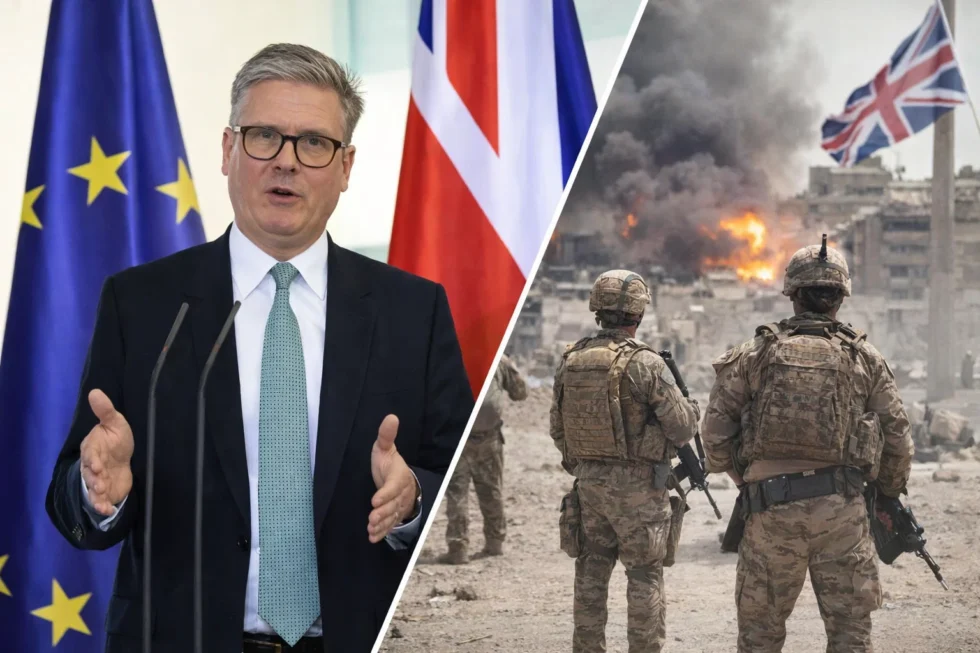
Prime Minister Sir Keir Starmer has ignited a fierce constitutional debate by proposing landmark legislation that would allow the UK to "dynamically align" with European Union regulations without mandatory parliamentary votes for every update. Seeking to bolster economic resilience amidst the global instability caused by the war in Iran, the Prime Minister argued that a closer relationship with Europe is a matter of long-term national interest, even as critics warn of a "backdoor" surrender of British sovereignty as reported by The WP Times.
The proposed framework, expected to be introduced later this year, focuses on secondary legislation to fast-track alignment in sectors such as food standards, carbon emissions, and electricity trading. While the government maintains this move will slash red tape for exporters and lower consumer prices, the shift marks a significant departure from the divergence strategies of previous Conservative administrations. By embracing these divisions, Starmer is betting that the economic benefits of a streamlined partnership with the European Union will outweigh the political risks of being labeled a "rule-taker" by his opponents in the Commons.
Legislative Architecture and the Shift to Secondary Scrutiny
The core of the government's strategy lies in the use of secondary legislation—a process previously utilized to diverge from Brussels but now repurposed to mirror it. Under this new legal instrument, ministers would have the authority to adopt updated European Union standards automatically, ensuring that UK goods remain compatible with the single market without the friction of constant legislative debates. However, the abolition of the dedicated Commons committee for EU oversight has led to accusations that the executive is bypassing democratic scrutiny to achieve its goals.
- Primary Sectors: Food and drink standards, carbon pricing, and electricity market coupling.
- Mechanism: Secondary legislation (statutory instruments) to avoid full parliamentary debates on rule updates.
- Economic Goal: Reducing border checks and "red tape" to stimulate a struggling post-Brexit economy.
- Timeline: Legislation to be introduced in late 2026, with a major UK-EU summit scheduled for this summer.
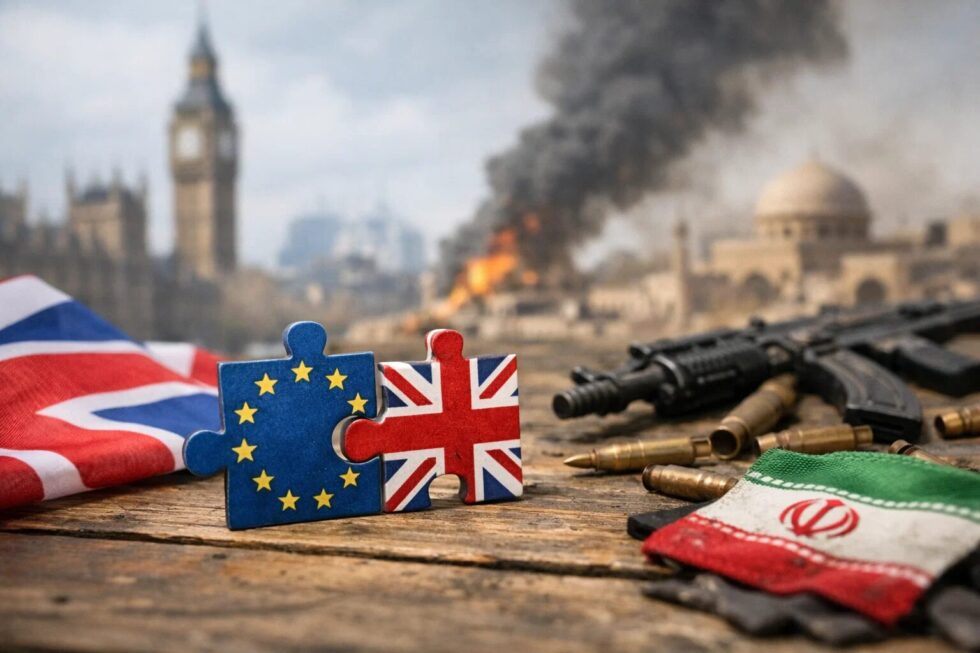
Geopolitical Stability and the Iran Conflict Backdrop
The Prime Minister’s rhetoric has notably evolved, now framing closer ties with the European Union as a security necessity in a volatile world. Speaking to the media, Starmer linked the ongoing economic fallout from the war in Iran directly to the need for European solidarity, suggesting that "great uncertainty" requires the UK to lean into its closest geographical alliances.
This geopolitical pivot serves to provide a "shield" for the policy, shifting the debate from purely economic sovereignty to a matter of national defense and strategic resilience.
| Stakeholder | Position on Alignment | Core Argument |
| Sir Keir Starmer | Pro-Alignment | Economic growth and national security in a world of "massive conflict." |
| Nigel Farage | Opposed | A "direct betrayal" of the 2016 referendum and UK sovereignty. |
| Sadiq Khan | Pro-Integration | Calls for rejoining the Single Market and Customs Union by 2028. |
| Andrew Griffith | Opposed | Parliament is reduced to a "spectator" while Brussels sets the terms. |
| Liberal Democrats | Cautiously Pro | Support closer ties but warn against "undemocratic" lack of scrutiny. |
The Sovereignty Debate: "Rule-Taker" vs. Economic Reality
The most profound disagreement remains centered on the concept of sovereignty. Critics argue that adopting European Union rules without having a seat at the table to shape them—as the UK did before 2016—places Britain in a subordinate position. Sir Keir Starmer, however, appears increasingly comfortable with this trade-off, viewing "dynamic alignment" as a pragmatic mechanical necessity to repair what he describes as the "deep damage" done to the economy by a hard Brexit.
"The real meat of the disagreement here is not about parliamentary process. It is about much more profound questions of Britain's sovereignty, economy, and place in the world," noted Henry Zeffman, Chief Political Correspondent, during a briefing on the government's newfound enthusiasm for this debate.
Risks of the "Hard Bargain" and Internal Pressures
While the Prime Minister seeks a "closer partnership," he faces the dual risk of a hard-bargaining Brussels and an increasingly vocal progressive flank at home. The European Union has historically resisted "cherry-picking" the best parts of the single market without the acceptance of free movement, a red line Starmer has yet to cross.
Meanwhile, figures like London Mayor Sadiq Khan are pushing for a more ambitious return to the Customs Union, threatening to expose a rift within the Labour Party just as the second UK-EU summit approaches.
- Youth Mobility: Negotiations remain at an impasse over caps on young travelers.
- Tuition Fees: Some EU member states demand equal fee status for European students in the UK.
- Carbon Trading: Plans to link the UK and EU carbon regimes remain in the early technical stages.
- Political Risk: Antagonizing "Leave" voters who feel the 2016 mandate is being eroded by stealth.
Frequently Asked Questions
What is dynamic alignment with the European Union?
It is a process where the UK agrees to match EU rules in specific sectors (like food or energy) and continues to update its laws automatically as the EU changes its own regulations.
Will Parliament still have a vote on these new rules?
The government plans to use "secondary legislation," which allows rules to be updated faster and with less parliamentary debate than a full Bill would require.
Does this mean the UK is rejoining the European Union?
No. The Prime Minister has ruled out rejoining the Single Market or Customs Union, focusing instead on specific "side deals" to ease trade.
How does the war in Iran affect Brexit?
The Prime Minister argues that global instability and the economic fallout of the conflict make a strong, closer relationship with European allies a matter of national security.
Which sectors will be affected first?
The initial focus is on food and drink standards, carbon emissions trading, and the electricity market.
What do the Conservatives and Reform UK say?
They argue that the plan turns the UK into a "vassal state" that follows rules set in Brussels without any say in how those rules are made.
Read about the life of Westminster and Pimlico district, London and the world. 24/7 news with fresh and useful updates on culture, business, technology and city life: EasyJet passengers face EU border delays as new Entry Exit System causes long