UK energy bills rose by £221 from 1 July 2026 after Ofgem’s price cap increased by 13 per cent for the July-to-September quarter, pushing the typical annual dual-fuel bill to about £1,862 and reopening pressure on ministers to act before winter, The WP Times reports. The rise affects households in Great Britain on standard variable tariffs and comes after global wholesale prices were driven higher by Middle East instability, with campaigners warning that families already in debt cannot wait until the autumn for help.
The political question is now whether Chancellor Rachel Reeves and the Department for Energy Security can move quickly enough with targeted support, rather than waiting for a wider winter package. The Government says it has already cut average bills through Budget measures and expanded the Warm Home Discount, but charities, unions and cost-of-living groups argue that the July rise has largely wiped out earlier relief and left low-income households exposed at the worst possible time.
What changed in the Ofgem energy price cap from July 2026
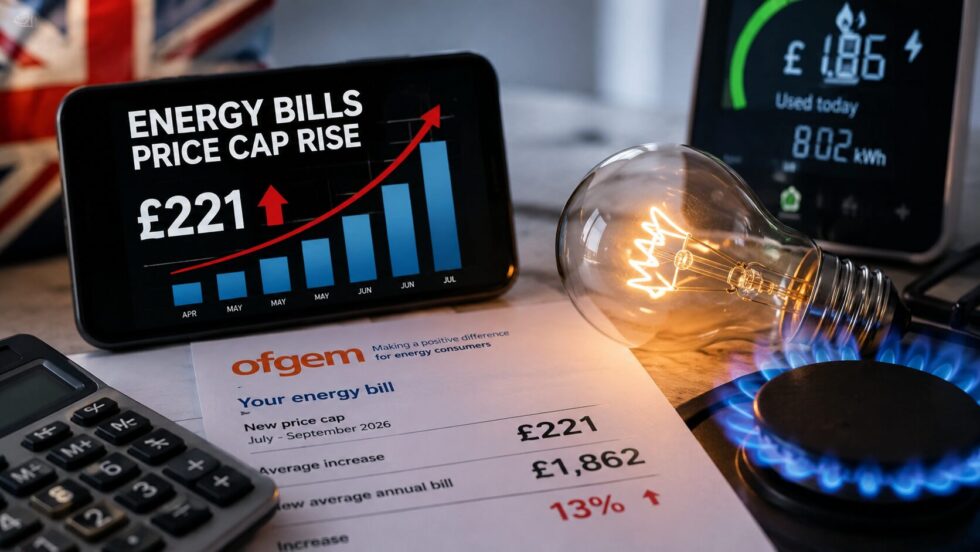
Ofgem’s new price cap runs from 1 July to 30 September 2026 and raises the typical annual bill for a direct-debit dual-fuel household to £1,862. The cap does not set a maximum total bill for every home; it limits the unit rates and standing charges suppliers can apply, so households using more energy still pay more.
The July rise is especially painful because summer usually brings lower household energy use. For families already behind on payments, however, even a summer increase matters because it reduces the chance to clear debt before the colder months. The latest cap means a typical household pays around £221 more a year than under the previous level, according to Ofgem figures reported by parliamentary energy analysis. Electricity unit costs are now around 26.11p per kWh, while gas is about 7.33p per kWh under the July cap. The average rise is 13 per cent, but the pressure is not evenly spread: gas rose much more sharply than electricity, reflecting the continued link between household bills and international fossil-fuel markets.
What changed in the Ofgem energy price cap from July 2026
Ofgem’s new energy price cap applies from 1 July to 30 September 2026 and lifts the typical annual bill for a direct-debit dual-fuel household to about £1,862. That is around £221 more than the previous cap and represents a 13 per cent rise at a time when many households would normally expect lower summer usage to give them breathing space before winter.
The cap is often misunderstood. It is not a maximum bill for each home. It limits the unit rates and standing charges suppliers can charge customers on standard variable tariffs. A household using more electricity or gas will still pay more, while a smaller or better-insulated home may pay less than the headline figure. Under the July cap, electricity costs about 26.11p per kWh and gas about 7.33p per kWh. The increase is not evenly spread across fuels: gas has carried the sharper pressure because Britain’s energy system remains closely exposed to international wholesale markets. That is why a geopolitical shock far from Britain can still appear months later in a household direct debit.
For families already in arrears, the timing is especially difficult. Summer is usually the period when people use less heating and try to reduce outstanding balances. A higher cap from July cuts into that recovery window and leaves many households entering autumn with less chance of clearing debt before colder weather returns.
What households need to understand now:
- The £1,862 figure is an annual “typical use” estimate, not a personal bill limit.
- The cap applies mainly to standard variable and default tariffs.
- Direct-debit customers usually pay less than people using prepayment or standard credit.
- Higher energy use still means a higher bill, even under the cap.
- Standing charges are included, so some costs apply before any energy is used.
- The July rise affects the summer quarter but will shape payments before winter.
- Meter readings matter because estimated bills can overstate usage.
- Customers in debt should contact suppliers early and ask for a repayment plan.
Why did UK energy bills rise by £221
UK energy bills rose because wholesale energy prices jumped earlier in 2026 after renewed instability in the Middle East and fears over supply routes around the Strait of Hormuz. That waterway is one of the world’s most important energy trade routes, so any threat to shipping, oil flows or wider supply confidence can feed quickly into global prices.
The rise was then locked into the cap because Ofgem calculates each quarterly level in advance. This creates a lag between what happens on international markets and what households later see in their bills. Even if oil and gas prices ease after a spike, the cap can still reflect the earlier period of market stress. That lag is central to the current row. Campaigners argue that households are being asked to absorb the delayed cost of a shock they did not cause, while support from ministers may not arrive until autumn. The result is a summer bill rise that feels out of step with recent market easing but is still built into supplier pricing. The July increase is also politically sensitive because earlier Government action had been presented as relief for bill payers. The £221 rise now risks cancelling out much of that benefit for typical households and revives the wider question of whether Britain needs permanent targeted support rather than temporary crisis measures.
Why campaigners say support cannot wait until autumn
Campaigners say the Government cannot wait until autumn because the higher bills begin now. For households already behind on payments, the issue is not a future winter shock but an immediate affordability gap. Many families have no savings left after several years of high food, rent, mortgage and energy costs. Conor O’Shea, coordinator of the Cost of Living Action campaign, said the price-cap increase was “another blow” for households who could not afford to pay more for essentials, adding that families “need that help now and cannot afford to wait until the autumn” (Conor O’Shea, Cost of Living Action campaign, Wednesday 1 July 2026, commenting after the Ofgem rise).
Fuel-poverty warnings have also intensified because the headline cap does not show the full pressure on vulnerable households. People with disabilities, older residents, families with young children and tenants in poorly insulated homes often need more energy than the “typical” user. That means they can be hit harder even when the cap is described as an average figure. The demand from campaigners is therefore for immediate targeted relief, not only a winter announcement. They argue that help should reach those already in arrears, those on low incomes, and those whose health or housing conditions force higher energy use.
What is the TUC social tariff plan
The Trades Union Congress is calling for a social energy tariff to reduce bills for lower and middle-income households through targeted, means-tested support. The TUC says its plan could help 8.7 million households and cut bills by up to £559 for the most vulnerable. The idea is to create a cheaper protected tariff for people most exposed to high energy costs, instead of relying only on the general Ofgem cap. Most other households would stay under the normal cap, while the TUC says the wealthiest households with very large properties could pay more. The union body proposes funding the scheme through a windfall tax on banks, with an estimated annual cost of £3.4bn to £5.9bn.
Paul Nowak, the TUC general secretary, said households should not be left carrying the cost of international conflict and market volatility, arguing that the latest cap rise shows how global shocks are landing directly on British families (Paul Nowak, TUC general secretary, June–July 2026, commenting on the price cap and social tariff proposal). In practical terms, the TUC plan is designed to answer a problem the current cap cannot fully solve: the cap limits prices, but it does not guarantee affordability. A social tariff would aim to link support more closely to income, household need and vulnerability.
What has Rachel Reeves said about energy bill support
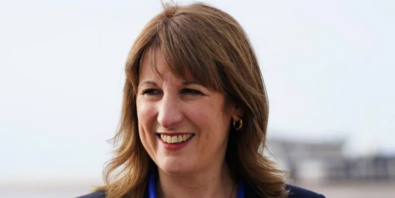
Rachel Reeves has indicated that targeted energy bill support is being considered, with autumn seen as the likely point for further detail. The Chancellor has not committed to a universal support scheme like those used during the earlier energy crisis, and the direction from Treasury is instead towards means-tested help.
That creates a political risk. Universal help is expensive and poorly targeted, but delayed targeted help can miss households who are already in crisis. The July cap rise has sharpened that argument because it has arrived before winter planning, but after earlier Budget measures had been presented as a way to ease the pressure. The Government says previous action has already removed about £150 from average bills and that the Warm Home Discount has been expanded. Ministers also argue that long-term clean power investment is needed to reduce exposure to gas-driven price shocks.
What the Government says now
Energy consumers minister Martin McCluskey said ministers understand the anxiety caused by rising bills and are watching the situation ahead of winter. He said the Government is “determined to fight” for households and pointed to Budget measures already factored into bills.
“We know families are deeply concerned about rising energy bills because of a war we did not choose,” McCluskey said, adding that the Government would “continue to monitor the situation ahead of the winter” while pursuing clean power to lower bills over the long term (Martin McCluskey, energy consumers minister, commenting after the July 2026 price-cap rise). The Government’s position is therefore split between short-term mitigation and long-term reform. The immediate challenge is affordability; the strategic answer is to reduce Britain’s dependence on volatile gas markets. For households receiving higher direct debits now, however, the long-term promise does not solve the July bill.
What households should check now
| What to check | Why it matters |
|---|---|
| Direct debit level | Suppliers may raise payments after the July cap |
| Meter readings | Accurate readings prevent estimated overcharging |
| Tariff type | Fixed tariffs may or may not beat the cap |
| Warm Home Discount eligibility | Expanded support could help vulnerable households |
| Energy debt options | Suppliers must discuss repayment plans |
Households should submit meter readings, check whether their direct debit reflects real use, and contact suppliers early if they cannot pay. Anyone on a low income, pension credit, disability support or other qualifying benefits should check Warm Home Discount eligibility before winter. The key point is that the price cap is not a bill cap. A larger home, poor insulation, medical equipment, electric heating or higher usage can all push actual bills well above the typical figure.
The July rise has turned energy bills back into a central cost-of-living test for the Government. If wholesale prices fall, the October cap may ease slightly, but households will still face winter usage at historically high prices. Campaigners want a social tariff, deeper reform of network and policy costs, and stronger action on energy debt. Ministers want targeted support without reopening the full cost of universal subsidies. That leaves a narrow window before autumn, when the next cap and winter bills become politically unavoidable. For British households, the practical issue is simple: bills are rising now, debt is already high, and support promised later may not arrive in time for those already unable to cover essentials.
Read about the life of Westminster and Pimlico district, London and the world. 24/7 news with fresh and useful updates on culture, business, technology and city life: How can London flats get air conditioning without a balcony, outdoor unit or planning trouble
Sources used: Ofgem, UK Government, TUC, House of Lords Library, The Guardian and other UK media reports.