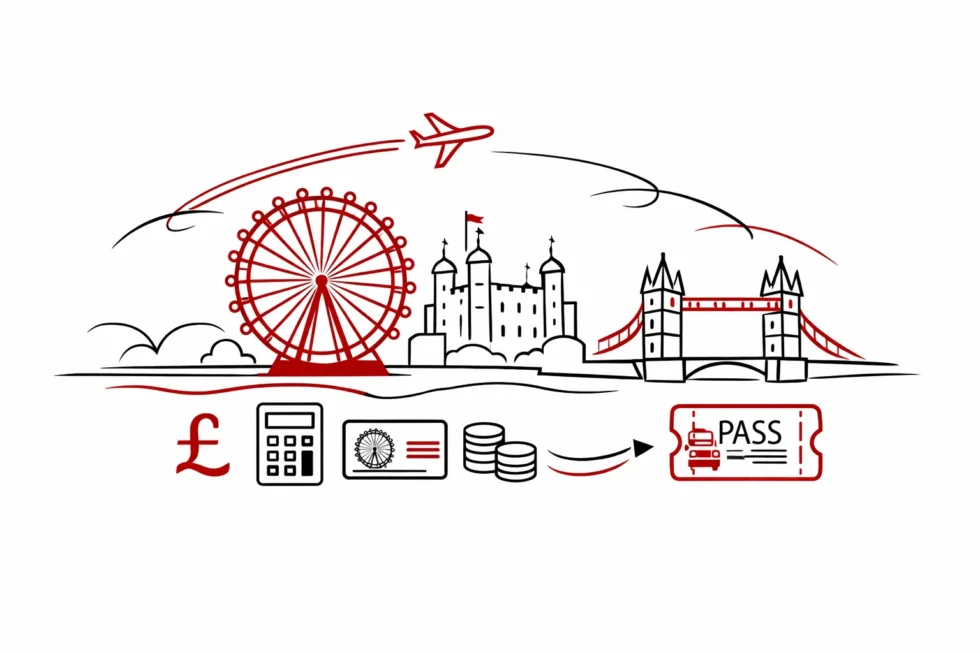
London remains one of the most visited cities on Earth. In 2025 the capital welcomed more than 38 million international visitors, while total domestic and overseas trips exceeded 70 million across Greater London, making it Europe’s busiest tourism market and one of the world’s most competitive sightseeing economies. Ticket prices for major attractions now routinely exceed £30–£40 per person, turning cultural tourism into one of the biggest cost drivers for visitors alongside hotels and transport. For families, city-break travellers and long-haul tourists, this has made London one of the most expensive urban destinations in Europe to explore. As reported by The WP Times, citing Visit London.
At the same time, the way people travel has changed. Tourists now arrive in London with tightly planned itineraries, pre-booked time slots and fixed budgets. Digital passes, prepaid attraction bundles and sightseeing subscriptions have become standard tools for managing cost and time. London, with its dense concentration of high-priced landmarks, is one of the cities where this trend is most visible. The London Pass sits at the centre of this shift, acting as both a financial and logistical tool for modern visitors.
What is The London Pass
The London Pass is a digital sightseeing pass that gives holders access to more than 100 attractions, tours and experiences across the capital. Instead of buying individual tickets for each museum, palace or tour, visitors purchase one pass valid for a set number of consecutive days. It is stored on a smartphone and scanned at the entrance of participating attractions, allowing tourists to walk straight in.
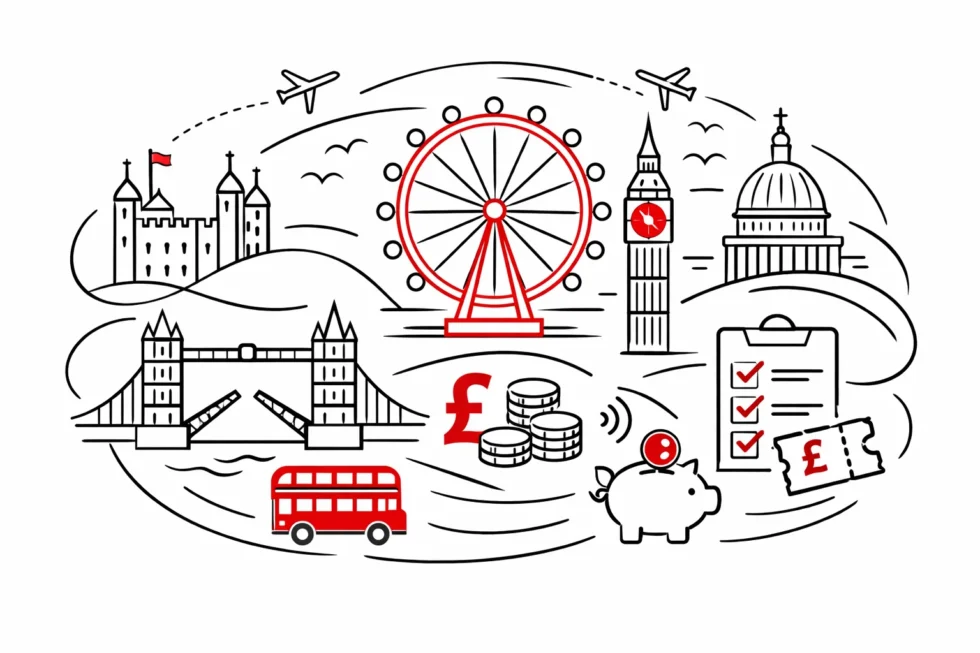
The pass is managed through the Go City app, which also provides opening hours, attraction details and reservation tools. Some venues, especially high-demand ones, require visitors to book time slots in advance, which can be done inside the same app. This removes much of the friction traditionally associated with sightseeing in a busy city.
Two versions: standard and Plus
There are two versions of the product. The standard London Pass covers more than 100 attractions. The upgraded London Pass Plus includes all of these plus three of London’s most expensive and most visited premium attractions: the London Eye, Madame Tussauds and The View from The Shard.
These three alone normally cost well over £100 if bought separately. For overseas visitors and first-time tourists who want iconic skyline views and headline experiences, the Plus version often pays for itself in one or two visits.
How expensive is sightseeing in London in 2026
London is one of the most culturally rich cities in the world, but it is also one of the most expensive for tourists. Typical adult ticket prices in 2026 are:
| Attraction | Standard adult ticket |
|---|---|
| Tower of London | £34.80 |
| Westminster Abbey | £29.00 |
| London Eye | £36.00 |
| Thames River Cruise | £24.00 |
| The View from The Shard | £32.00 |
| Windsor Castle | £30.00 |
| Big Bus Hop-On Hop-Off | £42.00 |
A couple visiting five major attractions can easily spend £250–£300 in two days. For families, the cost rises even faster. Sightseeing is now one of the largest single expenses of a London trip.
How much does The London Pass cost
Official prices start at:
- Adult: from £89
- Child: from £44
These prices apply to a one-day pass, with longer passes available for two to ten consecutive days. While the total price rises with duration, the cost per day falls, making multi-day passes far better value for anyone staying more than a short break.
How much can tourists actually save
Savings depend on how many attractions you visit per day. Most London tourists typically visit three to five. Here is a realistic one-day itinerary:
| Attraction | Normal price | With London Pass |
|---|---|---|
| Tower of London | £34.80 | Included |
| Westminster Abbey | £29.00 | Included |
| Thames cruise | £24.00 | Included |
| Tower Bridge | £13.40 | Included |
| Big Bus tour | £42.00 | Included |
| Total | £143.20 | £89 |
That represents a saving of £54.20 in one day, or 38%. Over two or three days, especially when premium attractions are included, savings typically reach 45–55%.
What is included
The London Pass includes:
- Tower of London
- Tower Bridge
- Westminster Abbey
- Windsor Castle
- Hampton Court Palace
- Kew Gardens
- Shakespeare’s Globe
- London Zoo
- Thames River Cruise
- Big Bus sightseeing tours
The London Pass Plus also includes:
- London Eye
- Madame Tussauds
- The View from The Shard
Together, these represent the core of London’s global tourism offer.
Does it include transport
The London Pass is not a travel card. It does not replace Oyster or contactless payments on the Tube or buses. However, it does include a Hop-On Hop-Off sightseeing bus and a Thames river cruise, both of which can be used as practical ways of moving around central London.
Is it refundable
Yes. The pass comes with a 30-day money-back guarantee if it has not been activated, allowing travellers to book in advance without financial risk.
With accommodation, food and transport costs all rising, tourists are looking for ways to control at least one major part of their spending. The London Pass converts unpredictable attraction prices into a fixed, prepaid budget. It also removes queues, reduces booking stress and allows visitors to focus on experiences rather than ticket logistics. In one of the world’s most expensive cities, that combination of savings and simplicity has turned The London Pass from a niche product into a mainstream travel tool.
Read about the life of Westminster and Pimlico district, London and the world. 24/7 news with fresh and useful updates on culture, business, technology and city life: Luxury gyms in London: why are the best clubs concentrated in SW1 and Westminster in 2026