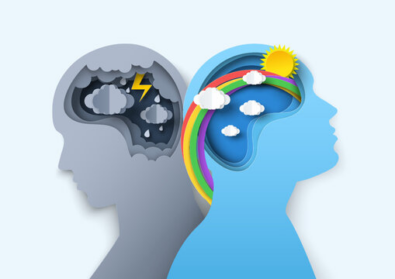
Mental health stands as the ultimate resource for resilience and performance in the demanding modern world. The pervasive nature of chronic stress and the resultant exhaustion demands a professional, evidence-based approach that moves beyond simple self-help. As professional and digital boundaries dissolve, the biological cost of constant alertness becomes dangerously high. To maintain long-term well-being and achieve genuine ruhe (peace), individuals must understand and counteract the physiological mechanisms of stress. London-based psychiatrists and gesundheit experts stress that systematic stress-mitigation is essential for cognitive stability, as the editorial board of The WP Times emphasizes. This analysis explores the core neurobiological impact of chronic stress and outlines three crucial pillars for building an anti-burnout defense: Digital Detox, Routine, and Mindfulness.
The Biological Imperative: Why Chronic Stress Damages the Psyche
The "fight or flight" response, driven by the Hypothalamic-Pituitary-Adrenal (HPA) axis, is meant to be acute, not chronic. When the brain continuously perceives threat, the sustained release of cortisol (the stress hormone) causes measurable physical damage. Scientific data confirms that prolonged cortisol exposure can lead to the shrinking (atrophy) of the hippocampus (crucial for memory and mood) and the enlargement of the amygdala (the fear center). This creates a vicious cycle where a stressed brain loses its capacity for effective emotional regulation, leading to heightened anxiety and risk of depression.
Chronic stress impairs more than just the psyche; it diminishes cognitive function, causing difficulties in focus, decision-making, and working memory. The immune system is also suppressed, and the gut-brain axis is destabilized, illustrating that true gesundheit is holistic. Recognizing these facts is the first step toward proactive defense, treating stress not as a feeling but as a serious physiological state that requires intervention.
| System Affected | Impact of Chronic Stress | Scientific Mechanism/Detail |
| Cognition/Memory | Reduced focus and learning ability | Atrophy of the Hippocampus (long-term memory processing) |
| Emotional State | Heightened anxiety and fear response | Hypertrophy of the Amygdala (fear and threat processing) |
| Physical Health | Immune dysfunction; High blood pressure | Chronic release of cortisol and adrenaline; suppression of immune function |
Digital Boundaries: Reclaiming Cognitive Space
The perpetual state of "attention residue" caused by constant digital connection is a primary contributor to modern exhaustion. Every notification, email, and social media ping pulls the brain out of deep concentration, preventing it from achieving the necessary ruhe for creative thought and true rest. The solution is the Digital Detox—the intentional and structured creation of cognitive space.
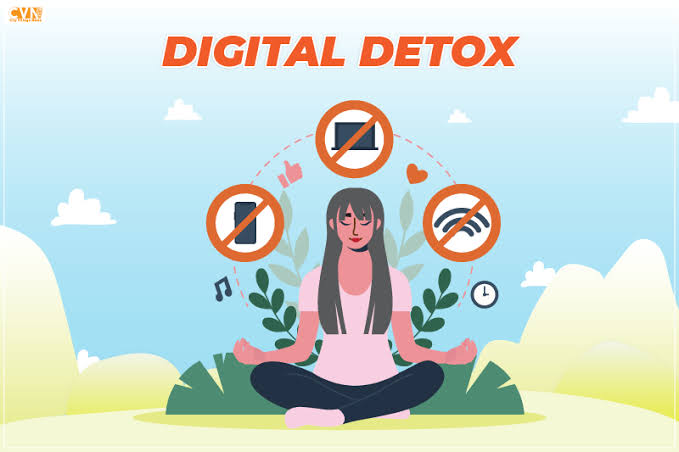
A detox is not about quitting technology; it is about establishing rigid boundaries. Research supports that avoiding blue-light screens 90 minutes before bed significantly boosts melatonin production, crucial for deep, restorative sleep. Furthermore, limiting consumption of social media directly combats the anxiety-inducing cycle of social comparison and FOMO (Fear of Missing Out). By reclaiming moments of silence and disengagement, the brain can properly process the day's information and reset its capacity to cope.
A deliberate shift from reactive notification-checking to batch processing—checking messages only at predefined times—dramatically reduces continuous cognitive load.
Key Strategies for a Daily Digital Detox
- The 90-Minute Rule: Eliminate all screens (phone, tablet, TV) at least 90 minutes before sleep time to optimize melatonin release.
- Notification Batching: Disable non-essential push notifications. Check email and social media only 3-4 times per day, rather than instantly.
- Tech-Free Zones: Designate the bedroom and dining table as strictly "no-phone" zones to protect personal relationships and sleep quality.
- Mindful Transition: Use the time freed up by a digital break for calming activities like reading a physical book or engaging in a hobby.
Movement and Mindfulness: The Active Pillars of Ruhe
To actively manage and reduce the body's physiological response to stress, two practices stand out as essential, evidence-based tools: Mindfulness and Physical Movement. Both work directly to regulate the nervous system, providing immediate and long-term benefits to the mental health.
Mindfulness is the non-judgmental awareness of the present moment. Practicing focused breathing or a 10-minute body scan meditation daily has been scientifically proven to increase gray matter in the prefrontal cortex—the brain's CEO—improving emotional regulation and reducing the power of anxious thoughts. This practice trains the mind to observe stress without reacting impulsively.
Physical Movement acts as a powerful neurochemical release. Aerobic exercise, even a 20-minute brisk walk, stimulates the release of endorphins and endocannabinoids, natural mood boosters that counteract cortisol. Movement provides a healthy, controlled dose of stress, thereby training the HPA axis to recover more efficiently. Consistency, rather than intensity, is the key to maintaining a protective shield against stress-induced exhaustion.

Essential Daily Practices for Stress Reduction
Eight sentences detailing the need to integrate these practices: To build durable emotional resilience, these practices must be integrated into the daily fabric of life, ensuring they become automatic rather than optional. Physical movement allows the body to literally "shake off" the chemical residue of the stress response, preventing tension from accumulating in the muscles. Meanwhile, mindfulness provides the mental mechanism to interrupt the cycle of negative rumination before it spirals into anxiety or panic. Simple stretching or Hatha yoga releases somatic tension, particularly in the neck and shoulders, which are common stress reservoirs. Prioritizing consistent, quality sleep is equally vital, as this is when the brain's glymphatic system clears out metabolic waste accumulated during stress. Incorporating a routine makes these beneficial actions non-negotiable, safeguarding your long-term gesundheit. These small, deliberate acts accumulate, building a stronger foundation for the psyche against external pressures. Therefore, treat these short breaks as essential medical appointments for your mind.
- Mindful Breaks: Take five deep breaths every hour, focusing only on the sensation of breathing.
- Movement Snacks: Integrate 5-minute bursts of light stretching or movement every two hours of sedentary work.
- Nature Dose: Spend 20 minutes outdoors in a green space; this alone lowers measurable cortisol levels.
- Evening Stretch: 15 minutes of gentle stretching or yoga to release physical tension before bed.
Read about the life of Westminster and Pimlico district, London and the world. 24/7 news with fresh and useful updates on culture, business, technology and city life: Mindfulness Psychology: 5 Daily Rituals to Radically Rewire Your Brain