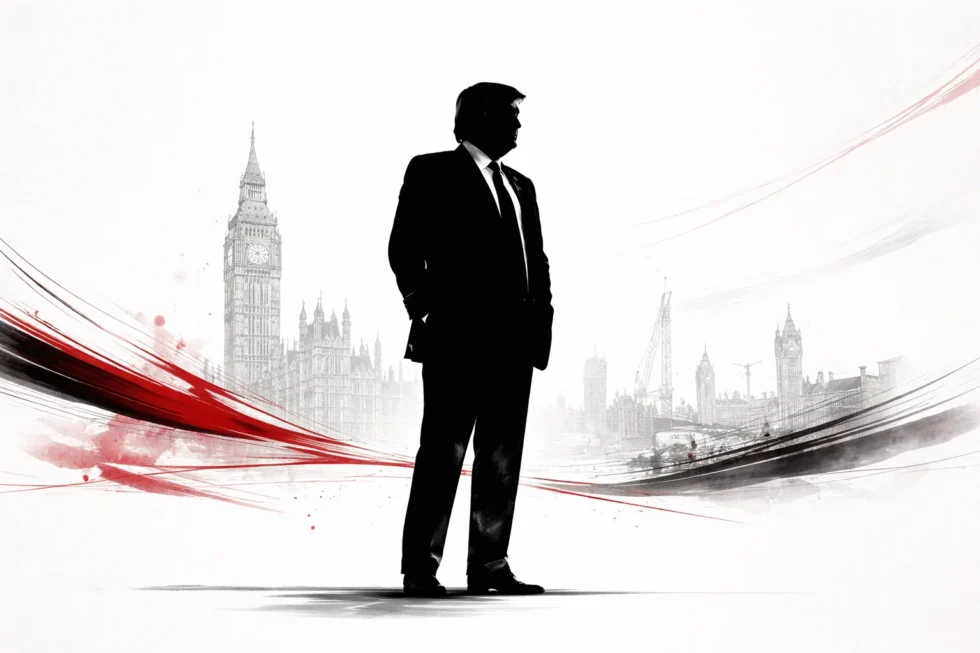
US President Donald Trump used a five-minute call with Sky News on Wednesday 15 April 2026 (10:17 UK time) to deliver a direct critique of Britain’s immigration and energy strategy, warning the country “can’t succeed” under current policies while confirming he will host King Charles III at the White House later this month. The remarks come days before a planned four-day state visit beginning 27 April and against a backdrop of widening political strain between Washington and London over Iran, energy prices and economic outlook, The WP Times reports, citing Sky News.
In the same exchange, Trump said he “likes” Prime Minister Keir Starmer but accused him of making a “tragic mistake” on North Sea energy and immigration, while describing the long-standing US-UK “special relationship” as weakened. British officials, including Chancellor Rachel Reeves, have in recent days criticised US policy on Iran as economically damaging, with IMF projections now pointing to slower UK growth and rising unemployment through 2026.
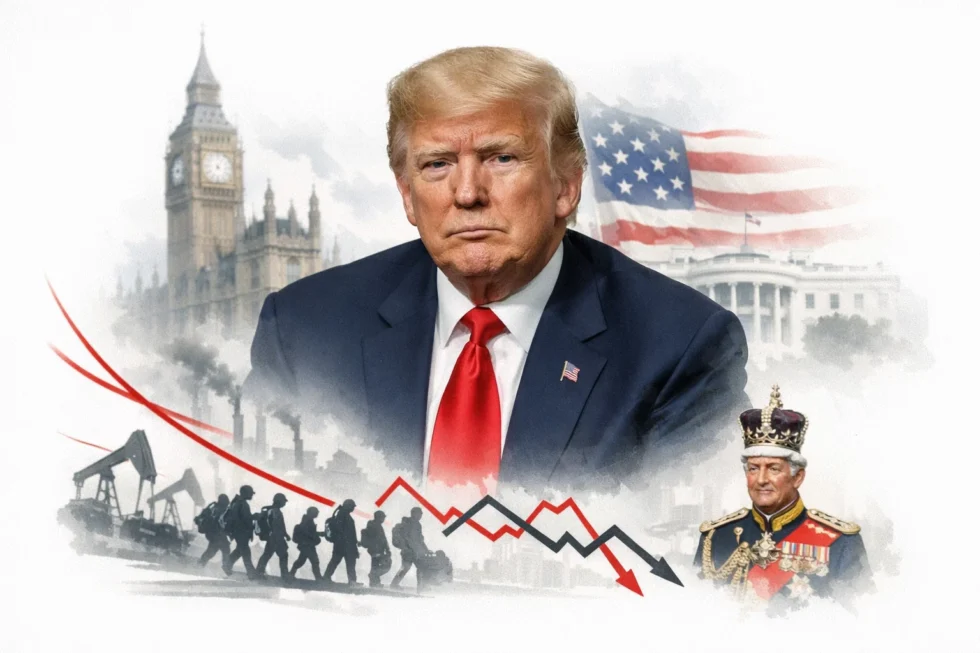
Trump framed his criticism around two pillars—migration and energy—arguing that “bad immigration policies and bad energy policies” together undermine economic stability. “If you have the worst of both… you can’t succeed, not possible,” he said, adding that Britain was “being invaded” by illegal migration, a claim challenged in the interview. He also pointed to UK reliance on imported energy while restricting North Sea production, saying: “They buy… from Norway… and they pay double the price.”
On diplomacy, Trump separated political tensions from the monarchy, calling King Charles “a fantastic person” and “a friend of mine,” and said their meeting would proceed regardless of disagreements with Downing Street. “It’s my honour to have him at the White House,” he said, while adding that the King “is not involved in that process” of government policy. The visit remains scheduled for 27–30 April, at the request of the British government.
The exchange also reflected a broader cooling of relations. Asked about the “special relationship,” Trump replied: “When we needed them, they were not there… and they still aren’t there,” signalling dissatisfaction with UK support during current geopolitical tensions. This aligns with recent US frustration over limited British alignment in the Iran conflict, where London has avoided direct participation beyond defensive cooperation.
At the same time, UK officials have publicly criticised Washington’s approach. Reeves described the Iran war as “a war that we did not start… without a clear exit plan” (Mirror interview, 14 April 2026), while Starmer has pointed to volatility in household energy bills driven by global conflict. The IMF this week downgraded UK growth forecasts for 2026 to 0.8% and projected unemployment rising to 5.6%, citing energy shocks linked to the Middle East. Further tensions include disagreement over the Chagos Islands deal and US military strategy in the Strait of Hormuz, where supply disruptions have affected global oil and fertiliser flows. The UK has confirmed it will not join a US-led blockade of Iranian ports, despite allowing use of British bases for defensive operations.
The Sky News call also touched on Iran, with Trump saying a deal was “very possible” within weeks, though offering no detail. The timing is critical: a two-week ceasefire window may expire before the royal visit, potentially reshaping the diplomatic context in which King Charles arrives in Washington. The interview, which Trump initially said should not be broadcast but could be quoted, underscores a moment of visible transatlantic friction. Public criticism on both sides—combined with economic pressure, defence disagreements and symbolic diplomacy—places the upcoming royal visit in a highly sensitive political environment, where ceremonial continuity and policy divergence are unfolding in parallel.
Read about the life of Westminster and Pimlico district, London and the world. 24/7 news with fresh and useful updates on culture, business, technology and city life: Why were Royal Air Force Typhoons scrambled to intercept a suspected Russian long-range nuclear bomber