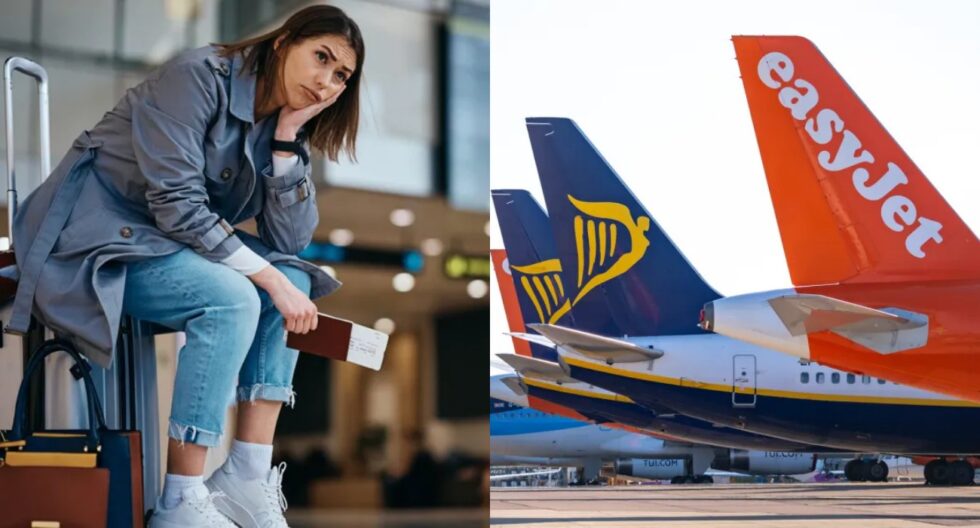
The global aviation landscape in 2026 is facing a period of unprecedented turbulence as geopolitical tensions in the Middle East severely disrupt flight paths and fuel supplies. For travelers planning their summer holidays or essential business trips to and from the United Kingdom, this situation presents a dual threat of rising ticket prices and sudden schedule changes. Major international carriers are already adjusting their operations to mitigate the soaring costs of aviation kerosene, which has seen prices double in some regions within a matter of weeks.
Navigating this environment requires a deep understanding of your consumer rights and a proactive approach to booking, as the "business as usual" era of cheap, predictable flights is temporarily on hold. Taking immediate action to secure tickets and insurance could be the difference between a successful journey and a costly cancellation. The current crisis is not just a localized issue; it is a systemic shift in how we will travel for the remainder of the year, reporting for The WP Times via bbc.
Current Wave of Airline Cancellations and Schedule Reductions
As we move through the second quarter of 2026, several major airlines serving the UK market have officially announced reductions in their flight frequencies to manage operational costs. The primary strategy among these carriers is to cut "high-frequency" routes—destinations that usually see multiple flights a day—allowing them to consolidate passengers onto fewer aircraft if needed. This consolidation helps airlines maintain higher load factors while burning less of the increasingly expensive jet fuel.
While British Airways’ owner IAG and budget giants like EasyJet claim to be maintaining their current schedules, the broader international market is showing signs of strain. Many passengers are finding that their direct flights are being replaced by indirect routes with long layovers. Travelers are advised to monitor their booking status weekly, as changes are being communicated with shorter lead times than in previous years. It is no longer enough to check your flight 24 hours before departure; monthly check-ins are now a necessity.
Airlines Adjusting Schedules vs. Those Holding Steady:
- KLM: Significant reductions on regional UK-to-Amsterdam feeder flights.
- Air Canada: Seasonal adjustments on transatlantic routes to London Heathrow.
- Asiana Airlines: Decreased frequency on Seoul-London routes due to airspace detours.
- Delta Air Lines: Consolidation of some US-UK night flights.
- Lufthansa: Strategic cuts on short-haul connections to Frankfurt and Munich.
- SAS: Scaled-back operations to Scandinavian hubs from Manchester and Birmingham.
- British Airways (IAG): Currently maintaining full schedules but warning of potential "spot cancellations."
- EasyJet & Jet2: Holding steady for the summer peak but increasing ancillary fees.
The Soaring Cost of Air Travel: Why Fares Are Skyrocketing in 2026
The economic driver behind the current price hike is a critical bottleneck in the Strait of Hormuz, a vital artery for the world’s aviation fuel supply that has remained effectively closed since early March. While physical fuel shortages have not yet grounded entire fleets, the market anticipation of a "dry summer" has caused aviation kerosene prices to spike by approximately 100% since mid-April.
Airlines that did not lock in long-term fuel hedging contracts are now forced to pass these expenses directly to the consumer through surcharges. Long-haul routes to Asia and Australia are the most heavily impacted, as planes must fly longer, circuitous routes to avoid restricted airspace over the Gulf. This extra flight time requires more fuel, further compounding the financial burden on travelers heading East from London hubs. Even short-haul flights are seeing "fuel recovery fees" added at the final stage of booking, making the initial price comparison tools less reliable.
Percentage Increase in Fares from London (April 2026 vs. April 2025):
| Destination | Fare Increase % | Primary Reason |
| Melbourne | +76% | Massive detour routes avoiding Gulf airspace |
| Hong Kong | +72% | Increased flight time and fuel consumption |
| Singapore | +65% | High demand combined with reduced seat capacity |
| New York | +18% | General fuel price inflation and labor costs |
| Paris/Rome | +12% | Short-haul fuel surcharges and airport taxes |
| Dubai | +45% | Risk premiums and limited carrier options |
Airlines Introducing New Surcharges and Hidden Fees
In an attempt to avoid raising "headline" ticket prices, many carriers are turning to ancillary fees and post-booking surcharges to stay profitable. While standard consumer protection laws usually prevent price changes after a sale, specific clauses in the terms and conditions of package tours allow operators to add up to 8% to the cost if fuel prices rise significantly. Some airlines, such as Volotea and Pakistan International Airlines, have already faced scrutiny from consumer rights groups for attempting to retroactively apply fees to sold tickets.
Experts warn that even if the base fare stays the same, you might see new "fuel recovery fees" or increased charges for checked baggage and seat selection. The transparency of airfares is at an all-time low, with "drip pricing" techniques becoming more aggressive. It is essential to read the fine print of your contract before clicking "pay" to ensure you aren't surprised by an invoice for the difference a month later.
Key Airlines Implementing Significant Price or Fee Increases:
- Air France-KLM: Direct fuel surcharges on all international tickets issued after March.
- Virgin Atlantic: Adjustments to long-haul pricing structures to cover detour costs.
- IndiGo: New regional fees for transit through Asian hubs.
- Thai Airways: Substantial fare hikes for European connections.
- Turkish Airlines: Increased baggage fees and seat selection costs via Sun Express.
- PIA: Controversial retroactive surcharges being challenged by consumer groups.
- IAG Group: General increase in "premium" seating costs to offset economy losses.
Strategic Advice: Should You Book Now or Wait for Last-Minute Deals
The consensus among travel experts like Jane Hawkes and Rory Boland is that waiting for "last-minute" deals this year is a high-risk strategy that will likely fail. Spain's Industry and Tourism Minister, Jordi Hereu, has publicly recommended that travelers buy tickets as soon as possible to take advantage of fuel stocks purchased at lower, historical prices. As those stocks deplete, the new, higher fuel costs will be baked into every ticket sold for the late summer and autumn seasons.
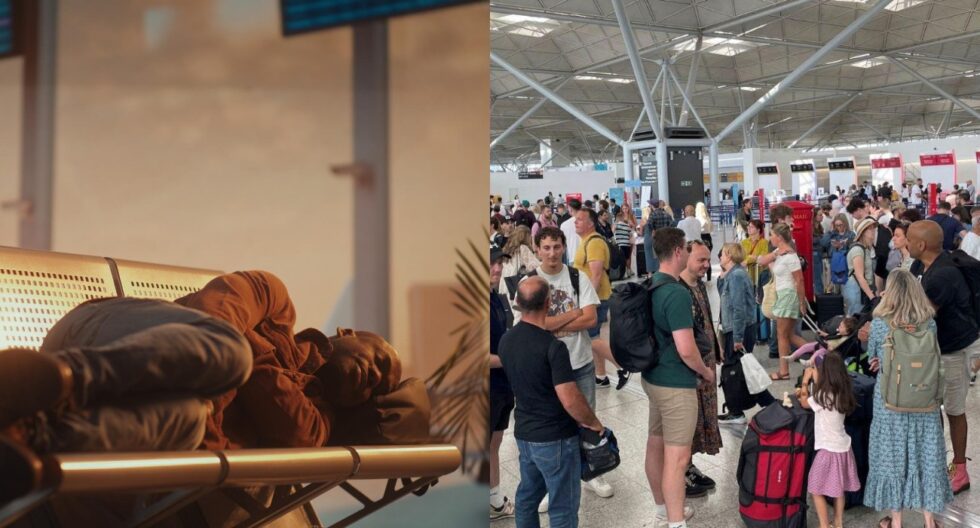
Furthermore, being flexible with your destination—perhaps choosing a domestic "staycation" or a train-accessible European city—can save you thousands of pounds in airfare. The focus for 2026 should be on security and flexibility rather than finding the lowest possible price point. Last-minute inventory is increasingly being used by airlines to accommodate passengers from cancelled flights rather than being sold at a discount.
Expert Recommendations for 2026 Travel Planning:
- Lock in Prices Now: Don't wait; fuel hedges are expiring, and prices will only climb.
- Use Package Tours: They offer better legal protection (ATOL) against price hikes.
- Check for "No-Surcharge" Guarantees: Some operators like Jet2 promise not to raise prices after booking.
- Consider Rail Alternatives: Eurostar and European rail networks are becoming price-competitive.
- Get Comprehensive Insurance: Ensure it covers "Travel Disruption" and "Airlines Failure."
- Avoid Long-Haul Transfers: Direct flights, though pricier, reduce the risk of being stranded at a transit hub.
Understanding Your Rights: Cancellations, Refunds, and Compensation
If your flight to or from the UK is cancelled, the airline’s primary legal obligation is to either get you to your destination or provide a full refund. Under normal circumstances, UK and EU laws provide for additional financial compensation for delays; however, the current Middle East conflict complicates this. Airlines are currently arguing that fuel shortages and regional wars constitute "extraordinary circumstances," which would exempt them from paying extra cash compensation beyond the refund.
Regardless of the reason, the airline must provide "duty of care," which includes food vouchers and hotel accommodation if you are delayed overnight. If you booked a package holiday, you have significantly more protection, as the tour operator is responsible for the entire trip, including alternative accommodation or a full holiday refund. Knowing the difference between "extraordinary" and "operational" reasons is the key to a successful compensation claim.
Your Legal Rights at a Glance:
- Rerouting: The airline must offer you the next available flight, even if it's with a rival carrier.
- Refunds: You are entitled to a full refund within 7 days if you choose not to travel.
- Duty of Care: Free meals, drinks, and two phone calls after a 2-hour delay.
- Accommodation: If the delay is overnight, the airline pays for the hotel and transfers.
- Package Holiday Rights: The operator must offer an alternative of equal value or a full refund.
- Compensation Limits: Usually up to £520, but expect airlines to fight this using the "war" clause.
Impact of Aviation Fuel Shortages on Summer 2026
While the aviation industry is not yet in a state of physical "dry taps," the logistics of getting fuel from refineries to UK airports have become increasingly complex. The closure of the Strait of Hormuz forced a shift in global shipping routes, increasing the time it takes for fuel tankers to reach European ports. This logistical lag is expected to peak during the high-demand months of July and August, leading to localized shortages if supply chains do not stabilize.
Some regional airports in the UK may be more affected than major hubs like Heathrow, which often have larger strategic reserves. Airlines are already practicing "tankering"—carrying extra fuel from cheaper, more stable regions—but this increases the weight of the aircraft and, ironically, consumes more fuel. Travelers should prepare for potential "technical stops" on long-haul flights to refuel in stable regions like North Africa or Central Asia.
Key Factors Influencing Fuel Stability:
- Shipping Delays: Tankers are taking the long route around the Cape of Good Hope.
- Strategic Reserves: UK airports have varied levels of on-site fuel storage capacity.
- Refinery Output: European refineries are struggling to meet the sudden shift in demand.
- Alternative Fuels: Sustainable Aviation Fuel (SAF) is being used but remains 3x more expensive.
- Geopolitical Risk: Any further escalation in the Middle East could trigger "emergency" flight rationing.
Frequent Questions
Can an airline increase the price of a ticket I have already paid for?
Generally, for a flight-only booking, the price is fixed once paid. However, package tour operators can legally add up to 8% if fuel costs spike, provided they inform you 20 days before travel.
What happens if my airline goes bust due to fuel costs?
If you booked with a UK travel agent or a package, you are ATOL-protected and will get your money back. If you booked direct, you must rely on your credit card (Section 75) or travel insurance.
Are regional UK airports seeing more cancellations than Heathrow?
Yes. Airlines often prioritize their slots at major hubs like Heathrow and Gatwick, meaning flights from Manchester, Glasgow, or Birmingham are more likely to be consolidated or cancelled.
Is it better to fly West this year?
Yes. Transatlantic routes to the US and Caribbean are currently more stable and have seen lower price increases compared to routes heading East toward Asia and Australia.
Will my travel insurance cover me if I decide not to fly because of a price hike?
Usually, no. "Disinclination to travel" is not covered. However, if the operator increases the price by more than 8%, you have the legal right to cancel and get a full refund.
Read about the life of Westminster and Pimlico district, London and the world. 24/7 news with fresh and useful updates on culture, business, technology and city life: Why Your Bad Habits Are Killing Your Charging Cables: The Science of "Cable Fatigue"